
As temperatures drop, many pet owners instinctively reach for their own coats—yet overlook the fact that their dogs may need protection too. While some breeds thrive in cold climates thanks to thick double coats, others—especially small, short-haired, or senior dogs—are vulnerable to the chill. Choosing the right winter clothing isn’t just about style; it’s a critical step in ensuring your dog stays warm, dry, and comfortable during outdoor activities. The wrong gear can lead to overheating, restricted movement, or even skin irritation. This guide breaks down the essential factors to consider when selecting winter wear that prioritizes both function and comfort.
Understanding Your Dog’s Cold Weather Needs
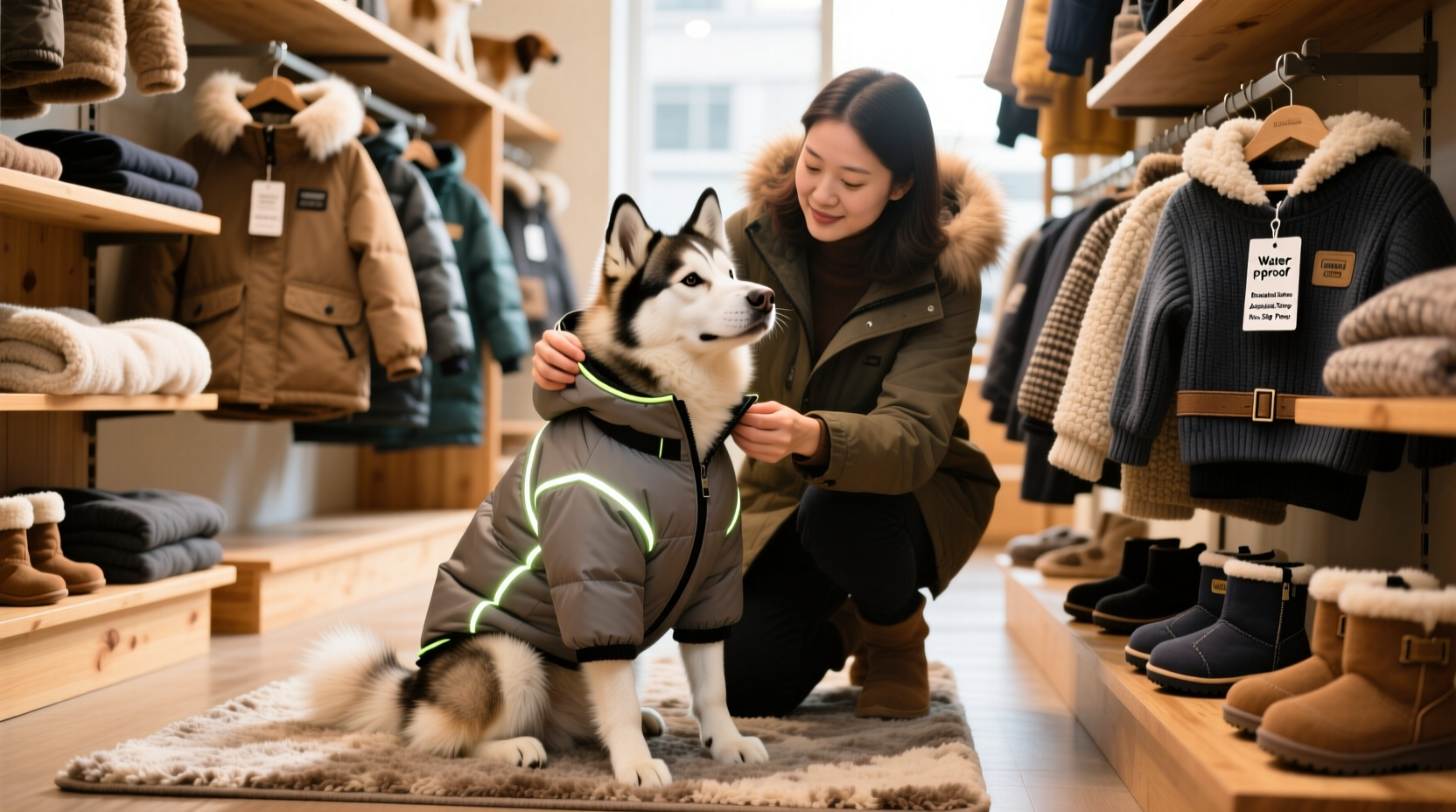
Dogs vary widely in their tolerance to cold. Factors such as breed, size, age, coat type, body fat, and overall health all influence how well they handle low temperatures. Arctic breeds like Siberian Huskies or Alaskan Malamutes are built for subzero conditions, while Chihuahuas, Greyhounds, or Dachshunds often struggle when the mercury dips below 45°F (7°C).
Veterinarians generally agree that if you’re feeling cold, your dog likely is too—especially if they're shivering, lifting paws frequently, or seem reluctant to continue walking. Puppies and older dogs are particularly sensitive due to less efficient thermoregulation. Dogs with medical conditions such as arthritis may also benefit from added warmth, as cold can exacerbate joint stiffness.
“Not every dog needs a sweater, but for those that do, proper-fitting winter clothing can prevent hypothermia and make winter walks safer and more enjoyable.” — Dr. Laura Simmons, DVM, Canine Wellness Specialist
Key Features of Effective Winter Dog Clothing
Selecting functional winter wear involves more than picking a cute design. Prioritize materials and construction that deliver real protection:
- Insulating Materials: Look for fleece, wool blends, or synthetic thermal fabrics like Thinsulate. These retain heat even when slightly damp.
- Water Resistance: A waterproof or water-repellent outer layer prevents snow from soaking through, keeping your dog dry during brief exposure.
- Full Coverage: Jackets that extend from neck to tail offer better protection, especially for dogs with short legs or minimal undercoats.
- Breathability: Even in winter, dogs generate body heat. Fabrics should allow moisture vapor to escape to avoid overheating.
- Secure Fit: Adjustable straps, elastic hems, or Velcro closures ensure the garment stays in place without restricting movement.
Step-by-Step Guide to Choosing the Right Fit
A poorly fitting dog coat can be worse than no coat at all. Follow this timeline to ensure accuracy and comfort:
- Measure Your Dog: Use a soft tape measure to record three key dimensions:
- Back Length: From base of the neck (where collar sits) to base of the tail.
- Chest Girth: Around the widest part of the chest, just behind the front legs.
- Neck Circumference: Where the collar normally rests.
- Consult Size Charts: Brands vary significantly. Always refer to the specific sizing guide rather than assuming small/medium/large fits universally.
- Try It On: Allow your dog to wear the garment indoors first. Watch for signs of discomfort, chafing, or restricted leg movement.
- Adjust & Test: Tighten or loosen straps as needed. Take a short walk to observe performance in wind or light snow.
- Monitor Behavior: If your dog excessively scratches, bites at the seams, or walks stiffly, the fit may be off.
Do’s and Don’ts of Winter Dog Apparel
| Do’s | Don’ts |
|---|---|
| Choose high-visibility colors or reflective strips for evening walks | Use human winter wear—dog anatomy differs significantly |
| Layer appropriately in extreme cold (e.g., thermal base + outer shell) | Leave your dog unattended in clothing indoors |
| Check for wear and tear before each use | Force a nervous dog into clothing—introduce gradually |
| Remove wet garments promptly to prevent chilling | Ignore manufacturer washing instructions |
Real-World Example: Preparing a Senior Toy Breed for Winter
Mia, a 12-year-old Yorkshire Terrier living in upstate New York, began showing signs of discomfort during her usual morning walks once temperatures fell below freezing. Her owner noticed her shivering and hesitant steps. After consulting her vet, she learned that Mia’s thin coat and advancing age made her prone to cold stress.
She measured Mia carefully and selected a lightweight, water-resistant jacket with a fleece lining and adjustable belly strap. Introducing it over several days with treats helped Mia accept the new sensation. Within a week, Mia was trotting confidently through snow-covered sidewalks, clearly more at ease. The owner also added indoor rugs near drafty windows, creating a warmer resting environment. This combination of tailored clothing and environmental adjustments transformed winter from a stressful season into a manageable one.
Frequently Asked Questions
Can dogs overheat in winter clothing?
Yes. Overdressing is a common mistake. Active dogs generate significant body heat. Signs of overheating include excessive panting, restlessness, or reluctance to move. Remove layers during vigorous play or if indoors for extended periods.
How often should I replace my dog’s winter coat?
Inspect the garment at least once per season. Replace it if there are holes, frayed seams, broken zippers, or diminished water resistance. With proper care, most quality coats last 2–3 winters.
Are dog sweaters practical for rainy weather?
Standard knit sweaters absorb moisture and lose insulating ability when wet. For rainy or snowy conditions, opt for a dedicated waterproof jacket with thermal lining instead.
Final Checklist Before Purchase
- ✅ Measured your dog accurately using a soft tape
- ✅ Checked brand-specific size chart
- ✅ Selected appropriate insulation level for your climate
- ✅ Ensured full coverage of abdomen and back
- ✅ Confirmed easy bathroom access (especially for female dogs)
- ✅ Verified machine-washable and durable fabric
- ✅ Introduced the garment slowly with positive reinforcement
Conclusion
Selecting the perfect winter clothing for your dog goes beyond fashion—it's an act of responsible pet care. By understanding your dog’s individual needs, measuring precisely, and choosing functional, well-made garments, you ensure they remain warm, mobile, and stress-free during colder months. Whether you live in a region with mild winters or face heavy snowfall, the right coat can make all the difference in your dog’s comfort and health.
💬 Have a favorite winter dog brand or tip that worked for your pet? Share your experience in the comments to help fellow dog owners keep their companions cozy and safe all season long!








