As temperatures drop in autumn and winter, many dogs—especially small breeds, short-haired breeds, or older pets—benefit from wearing clothing outdoors. A well-chosen dog coat does more than make a fashion statement; it helps regulate body temperature, protects against wind and moisture, and supports joint health in colder weather. However, not all dog clothes are created equal. The right garment must balance practicality with fit, durability, and design. Selecting the ideal piece requires understanding your dog’s needs, breed characteristics, and lifestyle.
Understanding Your Dog’s Need for Outerwear
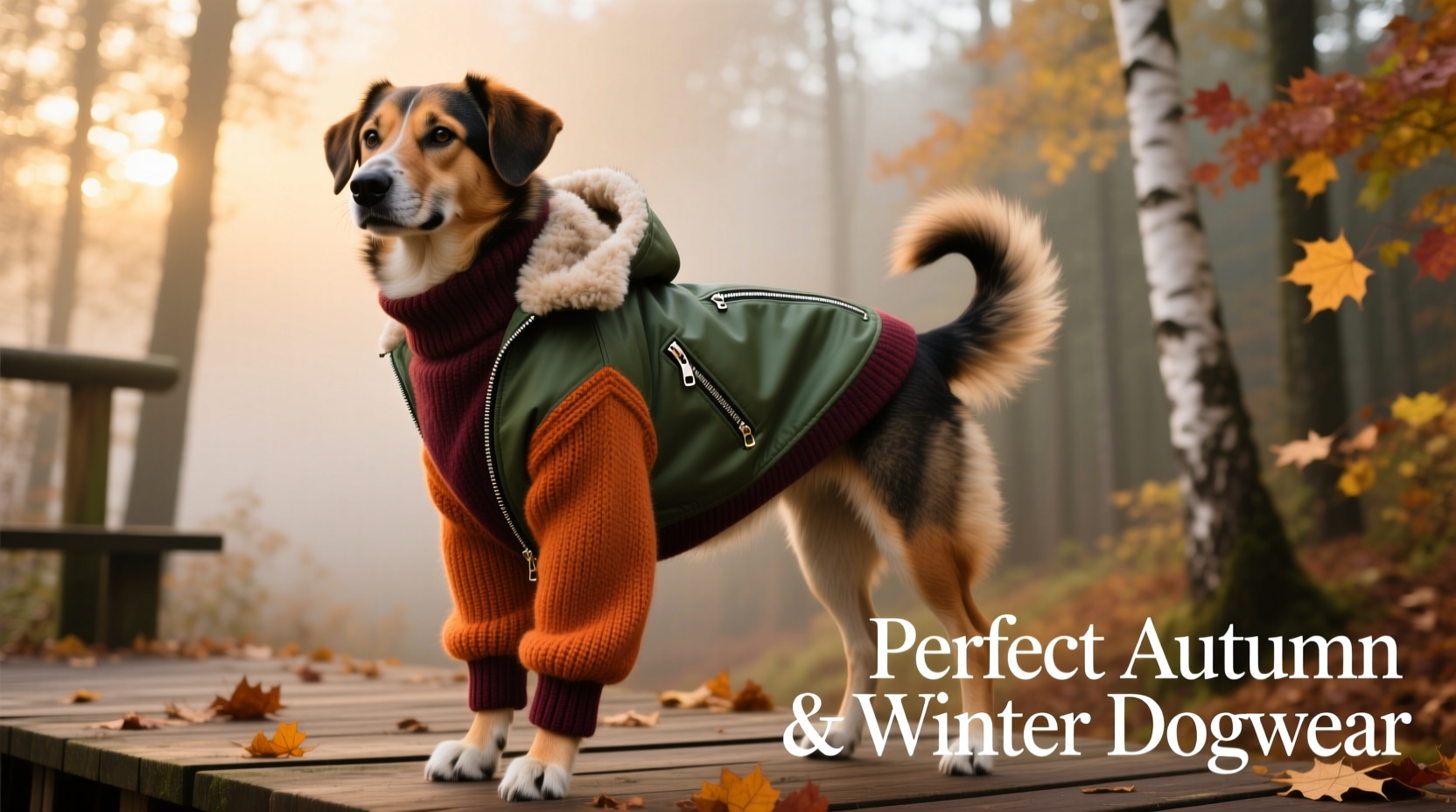
Dogs vary widely in their tolerance to cold. Breeds like Huskies and Malamutes thrive in freezing conditions thanks to their thick double coats, while Chihuahuas, Greyhounds, and Dachshunds lose body heat quickly due to low fat reserves and minimal fur coverage. Senior dogs and those with medical conditions such as arthritis may also struggle in chilly weather, as cold can stiffen joints and reduce mobility.
Signs your dog might need clothing include shivering, reluctance to go outside, lifting paws off the ground, or seeking out warm spots indoors. If you notice these behaviors when temperatures fall below 45°F (7°C), especially in wet or windy conditions, protective clothing becomes essential—not optional.
“Just like humans, dogs have individual thermal comfort zones. For some, a light sweater is enough. For others, full-coverage, insulated gear is necessary.” — Dr. Lena Reyes, Veterinary Behaviorist
Key Features of Effective Winter Dog Clothing
When shopping for autumn and winter dog apparel, focus on function first. Style follows—but only if the basics are covered. Look for garments with the following attributes:
- Insulation: Materials like fleece, wool blends, or synthetic thermal fibers trap heat without adding bulk.
- Water Resistance: A water-repellent outer shell keeps your dog dry during rainy walks or snowy playtime.
- Wind Protection: Tightly woven fabrics block cold gusts that can chill even thick-coated breeds.
- Full Coverage: Ideal coats extend from neck to tail base, with options for belly protection or leg coverage where needed.
- Secure Fit: Adjustable straps, Velcro closures, or snap buttons ensure the garment stays in place without restricting movement.
- Easy On/Off Design: Look for step-in styles, side zippers, or stretchy neck openings that reduce stress during dressing.
Finding the Right Fit: A Step-by-Step Guide
A poorly fitting coat can cause chafing, limit mobility, or slip off entirely. Follow this process to measure and size your dog correctly:
- Measure the Back Length: Use a soft tape measure from the base of the neck (where the collar sits) to the base of the tail. This is the most critical dimension.
- Chest Girth: Wrap the tape around the widest part of the chest, just behind the front legs. Ensure two fingers fit comfortably under the tape for breathing room.
- Neck Circumference: Measure where the collar normally rests. Helps determine if the garment will fit over the head easily.
- Compare to Brand Sizing Charts: Never assume sizes are universal. A medium in one brand may be a large in another. Always refer to the specific chart.
- Try It On: If possible, let your dog wear the garment indoors first. Watch for signs of restriction, rubbing, or discomfort.
Common Fitting Mistakes to Avoid
| Mistake | Why It’s a Problem | Solution |
|---|---|---|
| Using human clothing | Lack of proper cut for quadruped anatomy; restricts movement | Choose dog-specific designs with ergonomic shaping |
| Ignoring girth measurements | Coat too tight around chest, causes breathing difficulty | Always measure chest girth accurately |
| Buying oversized “grow-with-them” coats | Loose fabric flaps, risk of tripping, poor insulation | Size for current dimensions; buy new as needed |
| Overlooking mobility test | Dog can’t sit, lie down, or walk naturally | Observe full range of motion before outdoor use |
Style Meets Practicality: Choosing Designs That Work
While warmth is paramount, there's no reason your dog can't look great doing it. Modern dog apparel offers everything from classic tartan sweaters to high-performance technical jackets with reflective strips for nighttime visibility.
For urban dogs, consider sleek, minimalist coats in neutral tones that pair well with leashes and harnesses. Rural or active dogs benefit from bright colors or reflective elements for safety during early morning or evening walks. Fun patterns—like pumpkin prints for autumn or snowflakes for winter—add seasonal cheer without compromising quality.
Tip: Layering works for dogs too. Pair a lightweight thermal undershirt with a removable outer shell for adaptable warmth across changing conditions.Mini Case Study: Bella the Shih Tzu
Bella, a four-year-old Shih Tzu living in upstate New York, used to dread her daily walks once October arrived. Her owner noticed her crouching low, tucking her belly, and trying to turn back after just minutes outside. After measuring her carefully (back length: 13 inches, chest: 20 inches), they selected a waterproof, fleece-lined jacket with a high collar and belly coverage. Within days, Bella was trotting confidently through snowdrifts, visibly more relaxed and engaged. The jacket also featured a leash port, allowing easy attachment without removing the coat.
Your Dog Coat Selection Checklist
Before making a purchase, run through this checklist to ensure you're getting the best possible garment:
- ✅ Accurately measured your dog’s back length and chest girth
- ✅ Selected material appropriate for expected weather (e.g., insulated for snow, breathable for mild autumn)
- ✅ Confirmed secure but non-restrictive fastenings (Velcro, snaps, or adjustable straps)
- ✅ Verified ease of cleaning (machine washable preferred)
- ✅ Ensured freedom of movement—no pulling under arms or along spine
- ✅ Checked for added safety features like reflective trim or leash access
- ✅ Considered layering potential for variable temperatures
Frequently Asked Questions
Can dogs overheat in winter clothes?
Yes. Overdressing is a real concern, especially during activity or in heated indoor environments. Remove the coat once inside to prevent sweating and discomfort. Signs of overheating include excessive panting, restlessness, or attempting to remove the garment.
How many dog coats do I need for winter?
Most owners find two sufficient: one lightweight option for cool autumn days and a heavier, weatherproof version for deep winter. Having a spare is helpful for rotation during washing.
My dog hates wearing clothes. What should I do?
Introduce clothing gradually. Start with short sessions indoors using treats and praise. Choose soft, simple garments without complex fastenings. Some dogs adapt within days; others may never tolerate clothing—alternative solutions like heated beds or indoor booties may be better suited.
Final Thoughts: Dress Smart, Stay Warm, Look Great
Selecting the perfect autumn and winter dog clothes isn’t about following trends—it’s about thoughtful care. When you prioritize fit, function, and comfort, style naturally follows. The right coat empowers your dog to stay active, healthy, and happy throughout the colder months. Whether you’re braving icy sidewalks or enjoying crisp leaf-strewn trails, your dog deserves protection that works as hard as they play.
💬 Have a favorite dog coat brand or styling tip? Share your experience in the comments and help fellow pet parents keep their pups cozy and cute this season!








