
Grooming is a vital part of rabbit care, especially for long-haired breeds like Angoras or rabbits that shed heavily during seasonal changes. While regular grooming helps prevent matting, hairballs, and skin issues, it must be done with precision and care. A rabbit’s skin is exceptionally thin and delicate—up to five times more fragile than human skin—and improper handling or brushing techniques can lead to cuts, stress, or even spinal injury. Understanding the correct approach ensures your rabbit stays healthy, calm, and comfortable throughout the process.
Why Grooming Matters for Rabbit Health
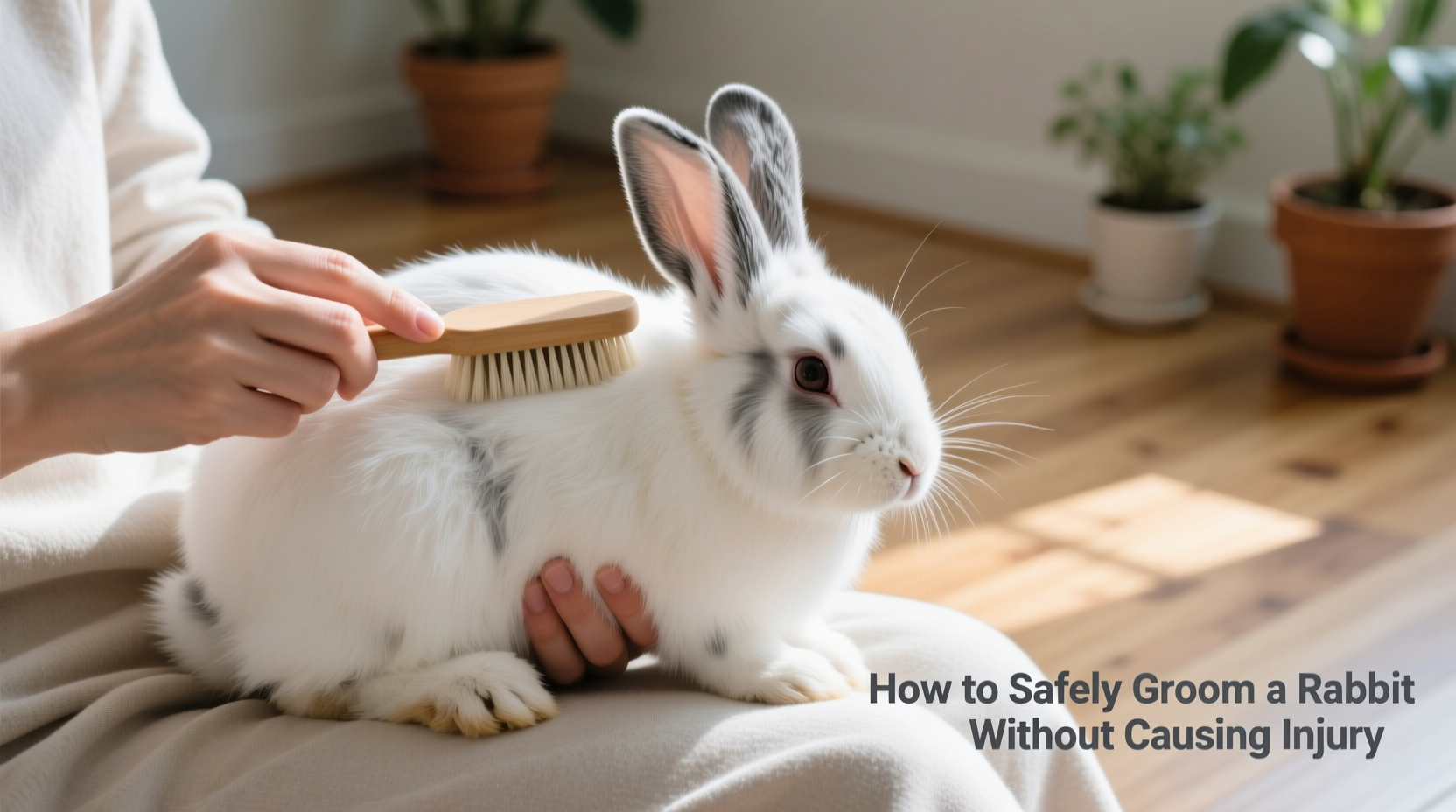
Rabbits are fastidious self-groomers, but they cannot fully manage loose fur, especially during molting periods. Without intervention, ingested fur can accumulate in the digestive tract, leading to gastrointestinal stasis—a potentially fatal condition. Additionally, matted fur traps moisture and debris, increasing the risk of flystrike, a severe parasitic infestation. Regular grooming supports both physical health and emotional well-being by strengthening the bond between pet and owner and reducing anxiety through consistent, gentle touch.
Tip: Begin grooming sessions when your rabbit is young to build familiarity and reduce fear over time.Essential Tools for Safe Rabbit Grooming
Using the right equipment minimizes discomfort and maximizes efficiency. Not all brushes marketed for small animals are suitable for rabbits. The wrong tool can pull fur, irritate skin, or cause accidental scratches.
| Tool | Purpose | Recommended Type | Avoid |
|---|---|---|---|
| Slicker Brush | Removes loose undercoat and tangles | Soft-pin, rounded tips | Stiff metal pins or dog-grade slickers |
| Comb | Detects and removes mats close to skin | Wide-tooth then fine-tooth stainless steel | Plastic combs that break easily |
| Nail Clippers | Trims overgrown nails | Guillotine-style or scissor-type | Human clippers (poor grip and angle) |
| Blunt-Tip Scissors | Carefully cuts severe mats | Small, rounded safety scissors | Sharp-pointed or kitchen scissors |
| Lint Roller | Removes surface dust and light debris | Low-tack adhesive roller | Strong adhesives that pull fur |
“Rabbits have a high pain threshold and often hide discomfort. If your rabbit flinches, thumps, or tries to flee, stop immediately—it may already be in distress.” — Dr. Lena Torres, Exotic Animal Veterinarian
Step-by-Step Guide to Safe Grooming
Grooming should never be rushed. Choose a quiet time when your rabbit is relaxed, ideally after resting or eating. Follow this structured routine to ensure safety and effectiveness.
- Prepare Your Space: Select a non-slip surface such as a towel-covered table or the floor. Keep treats, tools, and a first-aid kit nearby. Ensure the room is warm and free from drafts.
- Check Overall Condition: Before brushing, gently run your hands over your rabbit’s body to detect lumps, sores, or wetness around the hindquarters. Pay attention to ears and teeth if performing a full health check.
- Begin with the Slicker Brush: Use light, forward-stroke motions starting from the head and moving toward the tail. Never brush against the grain. Focus on one section at a time, lifting the fur slightly to reach the undercoat without pressing hard on the skin.
- Use the Comb for Problem Areas: Work through thicker zones like the back legs and chest. If you encounter resistance, do not force the comb. Instead, switch to fingers or use blunt-tip scissors only if absolutely necessary.
- Address Mats Carefully: Small tangles can be teased apart with fingers. For larger mats, slide the scissors horizontally beneath the mat, cutting parallel to the skin to avoid nicking. Never pull or yank.
- Trim Nails Every 4–6 Weeks: Hold the rabbit securely but gently. Extend one paw at a time and locate the quick—the pink vascular center inside translucent nails. Clip only the tip beyond the curve of the quick. For dark nails, make tiny cuts and look for the small white dot indicating the pulp cavity.
- Final Inspection: Run your hands over the coat again. Look for missed tangles, irritated skin, or signs of fleas. Reward your rabbit with a treat and allow downtime afterward.
Common Mistakes That Cause Injury
Even well-intentioned owners can inadvertently harm their rabbits during grooming. Awareness of these pitfalls improves outcomes significantly.
- Using human or cat brushes: These often have bristles too stiff or sharp for rabbit skin.
- Holding the rabbit too tightly: This induces panic and increases the risk of spinal fracture due to violent kicking.
- Over-grooming sensitive areas: The belly, groin, and underside of the tail are highly sensitive. Approach with extra caution.
- Ignoring behavioral cues: Teeth grinding (not soft purring), flattened ears, or rapid breathing signal stress.
- Skipping nail checks: Overgrown nails can curl into the footpad, causing infection and lameness.
Real-Life Scenario: Managing a Heavy Molt
Sophie, a 3-year-old Mini Rex, began shedding heavily in spring. Her owner, Mark, noticed her producing fewer droppings and becoming less active. Concerned, he checked her abdomen and felt slight firmness—signs of developing trichobezoar (hairball). He started daily 10-minute grooming sessions using a soft slicker brush, focusing on her back and flank where shedding was most intense. Within three days, he removed several handfuls of loose fur. Sophie’s appetite returned, and her digestion normalized. Mark now schedules bi-weekly grooming year-round and daily sessions during molting periods, preventing recurrence.
This case illustrates how proactive grooming directly impacts internal health. It also shows that consistency—not duration—is key to success.
Do’s and Don’ts of Rabbit Grooming
| Do’s | Don’ts |
|---|---|
| Support the rabbit’s spine when holding | Grab or scruff the rabbit by the neck |
| Brush in the direction of fur growth | Press down hard or brush against the grain |
| Use treats to reinforce positive behavior | Force grooming if the rabbit resists |
| Inspect skin for redness or flaking | Use human shampoos or conditioners |
| Keep tools clean and sanitized | Share grooming tools between sick and healthy rabbits |
When to Seek Professional Help
While many aspects of grooming can be managed at home, certain situations require veterinary or professional grooming assistance. Severe matting covering large portions of the body, open wounds, or signs of illness (lethargy, diarrhea, lack of appetite) should not be addressed independently. Attempting to remove extensive mats yourself risks cutting the skin or worsening stress. Some exotic animal vets offer grooming services or can recommend trained rabbit-safe groomers.
In cases of extreme wool block or obesity-related grooming inability, medical intervention may precede any cosmetic care. Never attempt to shave a rabbit at home with electric clippers unless trained—accidental nicks can become infected quickly due to bacteria-laden environments.
Frequently Asked Questions
How often should I groom my rabbit?
Short-haired rabbits benefit from weekly brushing. Long-haired breeds need daily attention, especially during shedding seasons. Nail trims should occur every 4–6 weeks, and spot checks for cleanliness (especially around the rear) should be done several times a week.
Can I bathe my rabbit to clean its fur?
No. Bathing is extremely stressful and dangerous for rabbits. Water immersion can trigger shock or hypothermia. Rabbits clean themselves effectively; instead, use a damp cloth to spot-clean soiled areas and increase brushing frequency. In rare cases of severe soiling, a vet may recommend a “spot bath” with minimal water exposure.
My rabbit hates being brushed—what can I do?
Start slowly. Offer treats during and after brief sessions. Try brushing while the rabbit sits on your lap or near its enclosure for comfort. Use softer tools and speak in calming tones. If resistance persists, consult a behaviorist familiar with small mammals.
Checklist: Safe Rabbit Grooming Routine
- ☐ Choose a quiet, draft-free area
- ☐ Gather proper tools: soft slicker brush, stainless steel comb, blunt-tip scissors, nail clippers
- ☐ Check rabbit’s overall health before starting
- ☐ Begin with light brushing using forward strokes
- ☐ Gently address tangles with fingers or comb
- ☐ Cut mats only if necessary, always parallel to skin
- ☐ Trim nails carefully, avoiding the quick
- ☐ Monitor rabbit’s behavior for signs of stress
- ☐ End with a treat and praise
- ☐ Clean and store tools after use
Conclusion: Gentle Care for a Lifelong Bond
Grooming is more than maintenance—it’s an act of attentiveness that reflects deep respect for your rabbit’s unique physiology and temperament. When performed correctly, it prevents life-threatening conditions, enhances comfort, and fosters trust. Each stroke of the brush is an opportunity to notice subtle changes in skin, coat, or behavior that could signal underlying issues. By following safe techniques, using appropriate tools, and honoring your rabbit’s limits, you create a routine that supports both longevity and quality of life.
💬 Have a grooming tip or story to share? Join the conversation below and help fellow rabbit caregivers learn from real experiences.








