Dogs, like humans, can suffer from allergies, insect bites, motion sickness, and anxiety. One over-the-counter medication that often comes up in conversations among pet owners is Benadryl—the brand name for diphenhydramine. While it’s commonly used to relieve allergy symptoms in people, many wonder if it's safe for dogs. The answer isn't a simple yes or no. When used correctly, Benadryl can be helpful. But when misused, it can pose serious health risks. This guide provides everything pet owners need to know about administering Benadryl safely, including proper dosage, potential side effects, and when to consult a veterinarian.
Understanding Benadryl and How It Works in Dogs
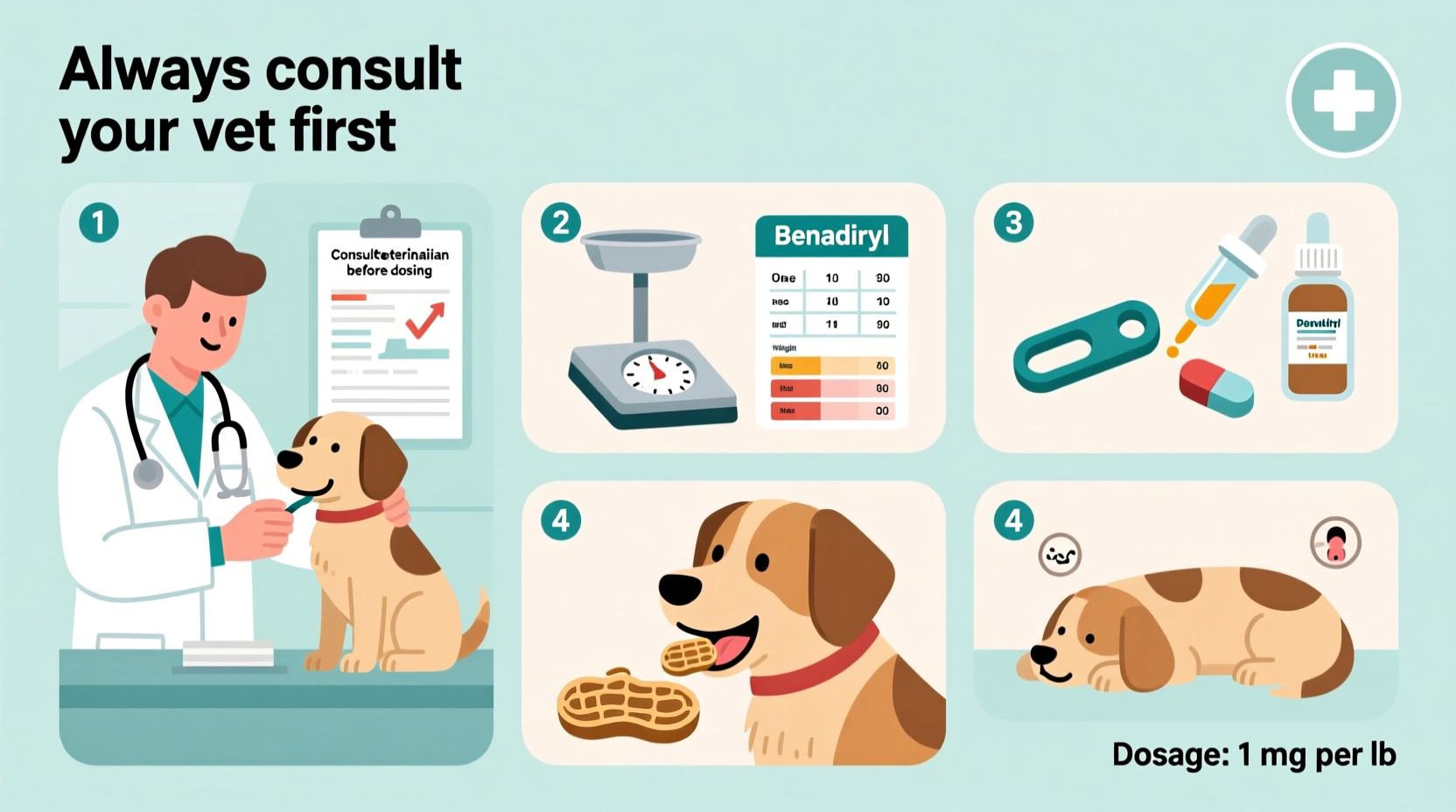
Benadryl is an antihistamine that blocks the effects of histamine, a substance released by the body during allergic reactions. In dogs, it can help reduce symptoms such as itching, hives, swelling, sneezing, and watery eyes caused by environmental allergens, food sensitivities, or insect stings.
It may also be used to manage mild anxiety during travel or thunderstorms due to its sedative effect. However, not all formulations are safe. Some versions of Benadryl contain additional active ingredients—such as acetaminophen, pseudoephedrine, or phenylephrine—that are toxic to dogs. Always check the label carefully before giving any medication to your pet.
Tip: Only use plain diphenhydramine (Benadryl) without added decongestants, pain relievers, or alcohol.Correct Dosage: What You Need to Know
Dosing Benadryl for dogs depends on weight, age, and overall health. The general guideline recommended by veterinarians is 1 mg per pound of body weight, given every 8 to 12 hours as needed. For example, a 25-pound dog would typically receive a 25 mg dose.
However, this is not a one-size-fits-all rule. Small breeds, senior dogs, or those with pre-existing medical conditions may require lower doses or should avoid Benadryl altogether.
| Dog Weight | Recommended Dose (mg) | Frequency |
|---|---|---|
| 10 lbs | 10 mg | Every 8–12 hrs |
| 25 lbs | 25 mg | Every 8–12 hrs |
| 50 lbs | 50 mg | Every 8–12 hrs |
| 75 lbs+ | 75 mg max* | Every 8–12 hrs |
*Maximum dose should be determined by a vet. Never exceed recommended amounts without professional guidance.
“While diphenhydramine is generally safe when dosed properly, we’ve seen cases where well-meaning owners gave cold medications containing xylitol or decongestants—both deadly to dogs.” — Dr. Rachel Nguyen, DVM, Veterinary Pharmacologist
Step-by-Step Guide to Administering Benadryl Safely
If your veterinarian has approved the use of Benadryl for your dog, follow these steps to ensure safe administration:
- Confirm the diagnosis: Don’t assume your dog’s symptoms are due to allergies. Itching could stem from infections, parasites, or autoimmune disorders.
- Read the label: Ensure the product contains only diphenhydramine. Avoid “multi-symptom,” “sinus,” or “PM” formulas.
- Calculate the correct dose: Use your dog’s current weight. If using liquid Benadryl, measure precisely with a syringe.
- Choose the right form: Tablets are most common, but some dogs do better with chewables or compounded liquids (ask your vet).
- Administer carefully: Hide the pill in a treat or use a pill popper. Never force medication.
- Monitor for side effects: Watch for drowsiness, dry mouth, vomiting, or rapid heartbeat in the first few hours.
- Reassess after 24 hours: If symptoms persist or worsen, contact your vet immediately.
When Not to Use Benadryl: Important Contraindications
Benadryl is not appropriate for every dog. Certain health conditions make its use dangerous. Avoid giving Benadryl if your dog has:
- Glaucoma
- Heart disease
- High blood pressure
- Prostate enlargement
- Liver or kidney disease
- Is pregnant or nursing
- Is taking other medications (e.g., tranquilizers, MAO inhibitors, or certain antidepressants)
Dogs on chronic medications must be evaluated by a veterinarian before starting Benadryl, as drug interactions can lead to severe complications.
Tip: Keep a written log of all medications your dog takes, including supplements, to share with your vet during consultations.Real-World Example: Managing Seasonal Allergies
Sophie, a 3-year-old Golden Retriever, began scratching excessively every spring. Her owner noticed red patches on her belly and frequent paw licking. After ruling out fleas and food allergies, the vet diagnosed seasonal atopy. The vet recommended a trial of Benadryl at 50 mg every 12 hours during peak pollen season.
Sophie’s owner started the medication and observed mild drowsiness the first day but noted significant improvement in itching by day three. They combined Benadryl with weekly oatmeal baths and air purifiers at home. Over time, Sophie’s flare-ups became less severe, and the family developed a seasonal care plan with their vet’s guidance.
This case highlights the importance of veterinary involvement, accurate diagnosis, and combining medication with environmental management.
Frequently Asked Questions
Can I give my dog children’s liquid Benadryl?
Yes, but only if it contains pure diphenhydramine and no added alcohol, xylitol, or other drugs. Always calculate the dose based on concentration (usually 12.5 mg per 5 mL). Use a syringe for accuracy and consult your vet first.
How long does Benadryl take to work in dogs?
Most dogs show effects within 30 to 60 minutes. Peak effectiveness occurs around 2–4 hours after administration. Sedation may occur sooner than relief from itching.
What should I do if I accidentally give my dog too much Benadryl?
Contact your veterinarian or an emergency animal poison control hotline immediately. Signs of overdose include agitation, rapid breathing, seizures, or collapse. Do not wait for symptoms to appear.
Essential Safety Checklist Before Giving Benadryl
- ✅ Consult your veterinarian before starting Benadryl
- ✅ Verify the product contains ONLY diphenhydramine
- ✅ Check expiration date and storage conditions
- ✅ Accurately weigh your dog
- ✅ Calculate the correct dose using weight-based guidelines
- ✅ Monitor your dog closely for 24 hours after first dose
- ✅ Keep emergency vet numbers accessible
Final Thoughts: Prioritize Professional Guidance
While Benadryl can be a useful tool in managing certain canine conditions, it is not a substitute for proper veterinary care. Self-medicating your dog—even with over-the-counter drugs—carries risks. Allergies and skin issues have many underlying causes, and treating symptoms without addressing root problems can delay healing and worsen outcomes.
The safest approach is always to involve your veterinarian. They can confirm whether Benadryl is appropriate, recommend the correct dosage, and suggest complementary treatments like hypoallergenic diets, medicated shampoos, or prescription medications if needed.
💬 Have experience using Benadryl for your dog? Share your story or questions in the comments below—your insights could help another pet owner make a safer choice.








