
Sweet potatoes are a nutritious, fiber-rich food that can offer real health benefits for dogs when prepared correctly. Unlike regular white potatoes, sweet potatoes contain essential vitamins, antioxidants, and complex carbohydrates that support digestion, energy, and overall wellness. However, not all preparation methods are safe, and portion control is critical. Feeding sweet potatoes improperly—such as raw or with added seasonings—can lead to digestive upset or even toxicity. This guide provides science-backed information on the benefits of sweet potatoes for dogs, safe preparation techniques, appropriate serving sizes, and creative ways to incorporate them into your pet’s meals.
Nutritional Benefits of Sweet Potatoes for Dogs
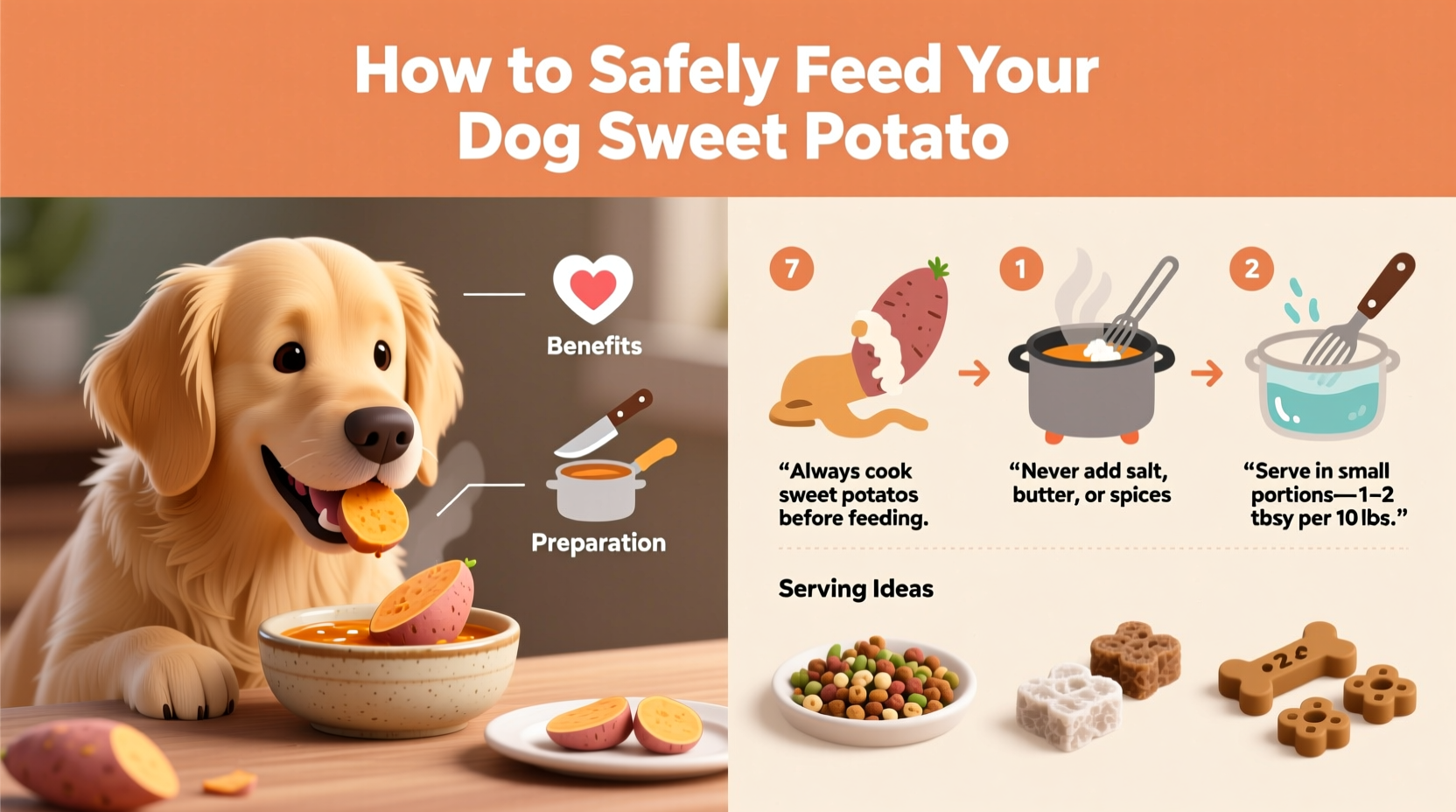
Sweet potatoes are more than just a tasty treat—they deliver measurable nutritional value. They are rich in beta-carotene (which converts to vitamin A), vital for vision, immune function, and skin health. They also contain vitamin B6, vitamin C, potassium, and manganese. Most notably, sweet potatoes are an excellent source of dietary fiber, which supports healthy digestion and can help regulate blood sugar levels.
The soluble fiber in sweet potatoes promotes the growth of beneficial gut bacteria, aiding in nutrient absorption and reducing the risk of gastrointestinal issues. For dogs prone to constipation or mild diarrhea, small amounts of cooked sweet potato can act as a natural regulator.
“Sweet potatoes are one of the few human foods I routinely recommend as a supplement for dogs with sensitive stomachs or those needing a low-fat, high-fiber snack.” — Dr. Lena Peterson, DVM, Board-Certified Veterinary NutritionistTip: Always introduce new foods gradually. Start with 1 teaspoon for small dogs or 1 tablespoon for larger breeds and monitor for any adverse reactions.
Safe Preparation: How to Cook Sweet Potatoes for Dogs
Raw sweet potatoes are difficult for dogs to digest and may pose a choking hazard, especially in smaller breeds. To ensure safety and maximize nutrient availability, sweet potatoes must be thoroughly cooked. The best method is boiling or steaming, as these preserve nutrients without adding fats or oils.
Step-by-Step Guide to Preparing Sweet Potato for Dogs
- Wash thoroughly: Scrub the sweet potato under running water to remove dirt and potential pesticide residues.
- Peel the skin: While the skin contains fiber, it can be tough to digest. Peeling reduces the risk of intestinal blockage.
- Cut into small pieces: Dice the potato before cooking to ensure even softening.
- Cook until soft: Boil or steam for 20–30 minutes until easily pierced with a fork.
- Cool completely: Never serve hot food to your dog. Allow it to reach room temperature.
- Serve plain: Do not add butter, salt, garlic, onions, or spices. These ingredients are toxic or harmful to dogs.
Baking is acceptable but can concentrate sugars slightly more than boiling. If baking, avoid browning or charring, which creates acrylamide—a compound best minimized in pet diets.
Do’s and Don’ts When Feeding Sweet Potatoes to Dogs
| Do’s | Don’ts |
|---|---|
| Do cook sweet potatoes thoroughly (boiled or steamed) | Don’t feed raw sweet potatoes |
| Do serve in moderation (no more than 10% of daily calories) | Don’t use as a meal replacement regularly |
| Do remove skin and cut into bite-sized pieces | Don’t add seasonings like garlic, onion, or nutmeg |
| Do store leftovers in an airtight container for up to 5 days | Don’t leave cooked sweet potato at room temperature for over 2 hours |
| Do consult your vet if your dog has diabetes or pancreatitis | Don’t feed sweet potatoes to dogs with known carbohydrate sensitivities |
Creative Serving Ideas for Picky Eaters
Incorporating sweet potatoes into your dog’s diet doesn’t have to be boring. Many dogs enjoy the natural sweetness, making it an ideal base for homemade treats or meal enhancers.
- Mashed Mix-In: Blend cooked sweet potato into your dog’s regular kibble to boost fiber and make dry food more palatable.
- Frozen Treats: Puree cooked sweet potato and mix with unsalted peanut butter or plain pumpkin. Freeze in ice cube trays for a cooling summer snack.
- Homemade Biscuits: Combine mashed sweet potato with whole wheat flour (or oat flour for gluten-sensitive dogs) and an egg. Roll thin, cut into shapes, and bake at 350°F for 20 minutes.
- Stuffed Kong Filler: Mix mashed sweet potato with plain Greek yogurt and stuff into a Kong toy for mental stimulation and slow feeding.
Mini Case Study: Helping Max with Digestive Sensitivity
Max, a 4-year-old Miniature Schnauzer, had recurring episodes of loose stools and low energy. His owner consulted a veterinary nutritionist, who recommended eliminating commercial treats and introducing small amounts of boiled sweet potato to improve fiber intake. Starting with 1 teaspoon twice a week, Max’s owner gradually increased to 1 tablespoon three times weekly. Within three weeks, his stool consistency improved significantly, and he seemed more energetic after meals. Blood work showed stable glucose levels, confirming that the moderate carbohydrate addition was well-tolerated. This case illustrates how a simple, whole-food addition—when used appropriately—can support digestive balance.
When Sweet Potatoes May Not Be Suitable
While generally safe, sweet potatoes aren’t right for every dog. Due to their relatively high glycemic index, they should be limited or avoided in dogs with diabetes unless approved by a veterinarian. Similarly, dogs with a history of pancreatitis may need to avoid starchy foods, as excess carbohydrates can sometimes exacerbate inflammation.
Additionally, overfeeding sweet potatoes can lead to weight gain or nutrient imbalances. Because they are plant-based, they lack complete proteins and essential amino acids found in animal sources. Relying too heavily on sweet potatoes as a “healthy” ingredient can result in an incomplete diet.
Frequently Asked Questions
Can puppies eat sweet potatoes?
Yes, but only in very small amounts and fully cooked. Puppies have sensitive digestive systems, so introduce sweet potato slowly and watch for any signs of gas or diarrhea. It should never replace puppy-specific food designed for growth.
How much sweet potato can I give my dog?
A general guideline is: • Toy breeds (under 10 lbs): 1–2 teaspoons • Medium dogs (20–40 lbs): 1–2 tablespoons • Large dogs (50+ lbs): Up to ¼ cup Limit servings to 2–3 times per week and adjust based on your dog’s size, activity level, and overall diet.
Are yams the same as sweet potatoes?
In the U.S., the terms are often used interchangeably, but true yams are different—drier, starchier, and less common in supermarkets. What’s labeled as “yam” in stores is usually a soft variety of sweet potato. Stick to orange-fleshed sweet potatoes for maximum beta-carotene. Avoid candied yams, which contain sugar, marshmallows, and spices unsafe for dogs.
Final Checklist Before Serving
- ✅ Wash and peel the sweet potato
- ✅ Cut into small, manageable pieces
- ✅ Boil or steam until soft (no frying or roasting with oil)
- ✅ Cool completely before serving
- ✅ Serve plain—no butter, salt, or spices
- ✅ Start with a small amount to test tolerance
- ✅ Store leftovers properly in the refrigerator
Conclusion: Nourish Your Dog with Thoughtful Choices
Sweet potatoes, when prepared safely and fed in moderation, can be a wholesome addition to your dog’s diet. Their rich nutrient profile supports digestion, immunity, and long-term vitality. But like any supplement, they must be used wisely. By following proper cooking methods, respecting portion limits, and considering your dog’s individual health needs, you can turn this humble root vegetable into a functional superfood for your pet.
💬 Have a favorite way to serve sweet potatoes to your dog? Share your recipe or experience in the comments—your idea might help another pet parent discover a healthier feeding option!