Pet ear infections are among the most common health issues seen in dogs and cats, particularly in breeds with floppy ears or those prone to allergies. Left untreated, ear problems can lead to discomfort, hearing loss, and chronic inflammation. One of the most trusted over-the-counter solutions available is Zymox Ear Solution—a non-prescription enzymatic formula designed to combat bacterial, fungal, and yeast infections without antibiotics. However, proper usage is critical to ensure both safety and effectiveness. This guide walks you through everything you need to know about using Zymox correctly, from preparation to long-term maintenance.
Understanding Zymox Ear Solution: How It Works
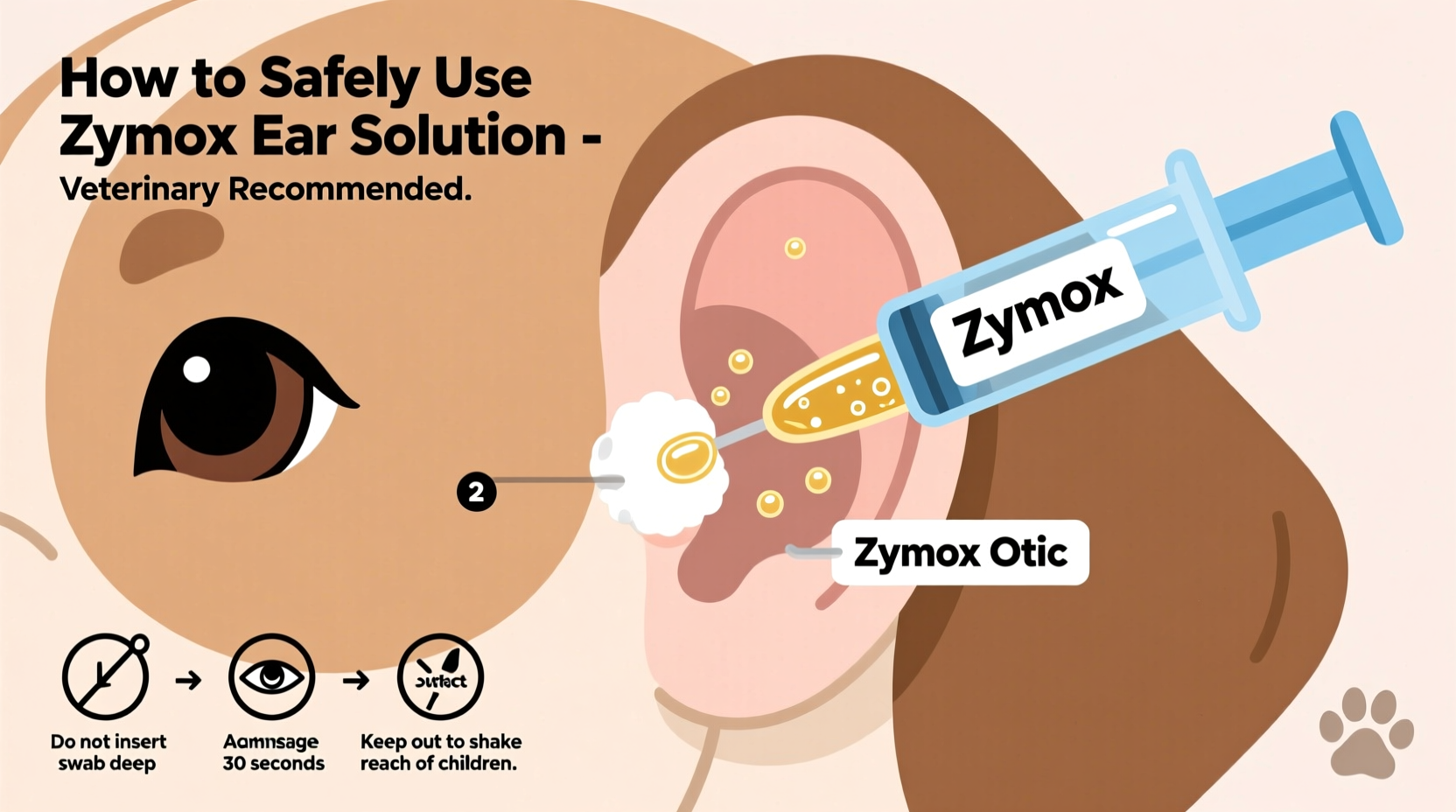
Zymox uses a patented LP3 Enzyme System that naturally breaks down harmful microorganisms in the ear canal. Unlike traditional antibiotic drops, it doesn’t rely on chemicals that pathogens can become resistant to. Instead, enzymes like lactoperoxidase, glucose oxidase, and lysozyme work synergistically to create an environment hostile to bacteria and yeast—particularly effective against *Malassezia pachydermatis* and *Staphylococcus intermedius*, two common culprits in pet ear infections.
The solution comes in various formulations: some contain hydrocortisone for inflammation control (ideal for acute flare-ups), while others are steroid-free for routine cleaning and prevention. Always check the label to match the product to your pet’s condition.
“Zymox offers a valuable alternative for managing mild to moderate ear infections, especially when antibiotic resistance is a concern.” — Dr. Laura Simmons, DVM, Veterinary Dermatology Specialist
Step-by-Step Guide to Applying Zymox Ear Solution
Proper application ensures maximum contact between the solution and infected areas. Follow this sequence carefully:
- Assess the ear: Before applying any product, inspect your pet’s ears. Look for redness, swelling, discharge (yellow, brown, or black), odor, or signs of pain when touched. If the ear appears severely inflamed or ruptured, consult a veterinarian before proceeding.
- Restrain gently: Position your pet comfortably. For squirmy animals, have someone assist by holding them securely but calmly. Never force the process—it can create negative associations.
- Clean if necessary: If there's visible debris or wax buildup, clean the outer ear with a vet-approved ear cleaner first. Do not insert cotton swabs into the ear canal.
- Shake the bottle: Ensure the solution is well-mixed. Use only as directed—typically 3–7 days for treatment, depending on severity.
- Administer the solution: Hold the ear flap upright to expose the canal. Squeeze the recommended amount (usually enough to fill the lower part of the canal) directly into the ear.
- Massage the base: Gently massage the base of the ear for 20–30 seconds. You should hear a squishing sound—this means the solution is reaching deep into the canal.
- Allow natural head shaking: Let your pet shake its head afterward. This helps dislodge debris. Wipe away excess solution and discharge with a soft cloth or gauze.
- Repeat as needed: Apply once daily for the full duration, even if symptoms improve quickly. Stopping early may allow infection to rebound.
Do’s and Don’ts When Using Zymox
| Do’s | Don’ts |
|---|---|
| Use the correct formulation (with or without hydrocortisone) based on your pet’s condition | Use Zymox on pets with known ear drum perforations unless under veterinary supervision |
| Complete the full course—even if symptoms resolve within a few days | Combine with other ear medications unless approved by your vet (risk of interaction) |
| Store at room temperature away from sunlight and moisture | Share bottles between pets without cleaning the tip (cross-contamination risk) |
| Monitor improvement daily and note changes in odor, discharge, or behavior | Use expired product—enzymes degrade over time, reducing efficacy |
| Follow up with routine cleanings post-treatment to prevent recurrence | Insert objects like cotton swabs deep into the ear canal |
Real-World Example: Managing Chronic Ear Infections in a Labrador Retriever
Max, a 5-year-old chocolate Labrador, had suffered recurring ear infections for over a year. His owner noticed he frequently scratched his left ear and shook his head after swimming. A vet diagnosed a yeast overgrowth and prescribed antibiotics, which helped temporarily—but the infection returned every few weeks.
After discussing long-term management options, the vet recommended switching to Zymox Otic HC with Hydrocortisone for active flare-ups, followed by weekly maintenance with the steroid-free version. The owner began applying the solution daily for seven days during flare-ups and instituted a monthly preventive cleaning.
Within three months, Max’s episodes dropped from quarterly to zero. The owner also started drying Max’s ears thoroughly after baths and swims, further reducing moisture—a key factor in yeast growth. This combination of targeted treatment and consistent hygiene proved more sustainable than repeated antibiotic courses.
Tips for Long-Term Ear Health and Prevention
Using Zymox effectively isn’t just about treating infections—it’s also about preventing them. Consider these proactive strategies:
- Dry ears after water exposure: Use a soft towel or veterinarian-recommended drying solution after bathing or swimming.
- Check ears weekly: Make inspection part of your grooming routine. Early detection prevents minor irritation from becoming serious infection.
- Avoid allergens: Food or environmental allergies often manifest as ear issues. Work with your vet to identify triggers.
- Trim ear hair: In breeds like Poodles or Shih Tzus, excess hair traps moisture. Regular plucking or clipping improves airflow.
- Use Zymox Preventatively: For high-risk pets, apply the non-medicated formula every 1–2 weeks to maintain a healthy microbial balance.
Frequently Asked Questions
Can I use Zymox on cats?
Yes, Zymox is safe for cats when used as directed. However, feline ear anatomy differs slightly, so extra care should be taken during application. Avoid using products containing hydrocortisone unless specifically advised by a veterinarian, as steroids can affect cats differently.
How quickly should I expect to see results?
Most pets show noticeable improvement within 2–3 days of starting treatment. Full resolution typically occurs within 7 days for mild to moderate infections. If there’s no improvement—or if symptoms worsen—discontinue use and consult your vet, as underlying conditions like polyps or resistant organisms may require different treatment.
Is Zymox safe for puppies and kittens?
Yes, Zymox is formulated to be gentle and suitable for young animals. The enzyme-based action minimizes irritation. Still, monitor closely for any adverse reactions such as increased redness or agitation after application.
Final Checklist: Safe & Effective Zymox Use
- Confirm your pet has no history of ear drum damage.
- Select the appropriate Zymox formula (with or without hydrocortisone).
- Inspect the ear before each application.
- Apply the correct dosage once daily for the full recommended duration.
- Massage the ear base thoroughly after each dose.
- Observe for improvement and discontinue only after completing the course.
- Schedule follow-up cleanings to prevent recurrence.
Take Control of Your Pet’s Ear Health Today
Ear infections don’t have to be a recurring struggle. With Zymox Ear Solution, pet owners now have a powerful, accessible tool backed by science and trusted by veterinarians. When used correctly—and paired with good hygiene practices—it can dramatically improve comfort, reduce vet visits, and support long-term wellness. Start today by evaluating your pet’s current ear care routine, and make the shift toward proactive, informed treatment. Your pet will thank you with brighter eyes, perked ears, and a happier demeanor.
💬 Have experience using Zymox? Share your story or tips in the comments below—your insight could help another pet parent find relief for their furry friend!








