Phone cases are more than just protective gear—they’re personal style statements. Whether it’s a sleek silicone cover, a rugged TPU shell, or a premium leather case, keeping it clean and unblemished matters. But one common annoyance cuts across all types: leftover adhesive from stickers, labels, or decals. That sticky film not only looks unsightly but can attract dust and grime over time. The real challenge? Removing it without damaging the surface. Many people resort to scraping with sharp tools or harsh chemicals, only to end up with scratches, cloudiness, or discoloration.
The good news is that you don’t need industrial solvents or expensive kits to solve this problem. With everyday household items and a few smart techniques, you can safely dissolve and lift even the most tenacious sticker residue—preserving your phone case’s finish in the process. This guide walks through proven, scratch-free methods backed by material science and user-tested results.
Why Sticker Residue Is So Tricky
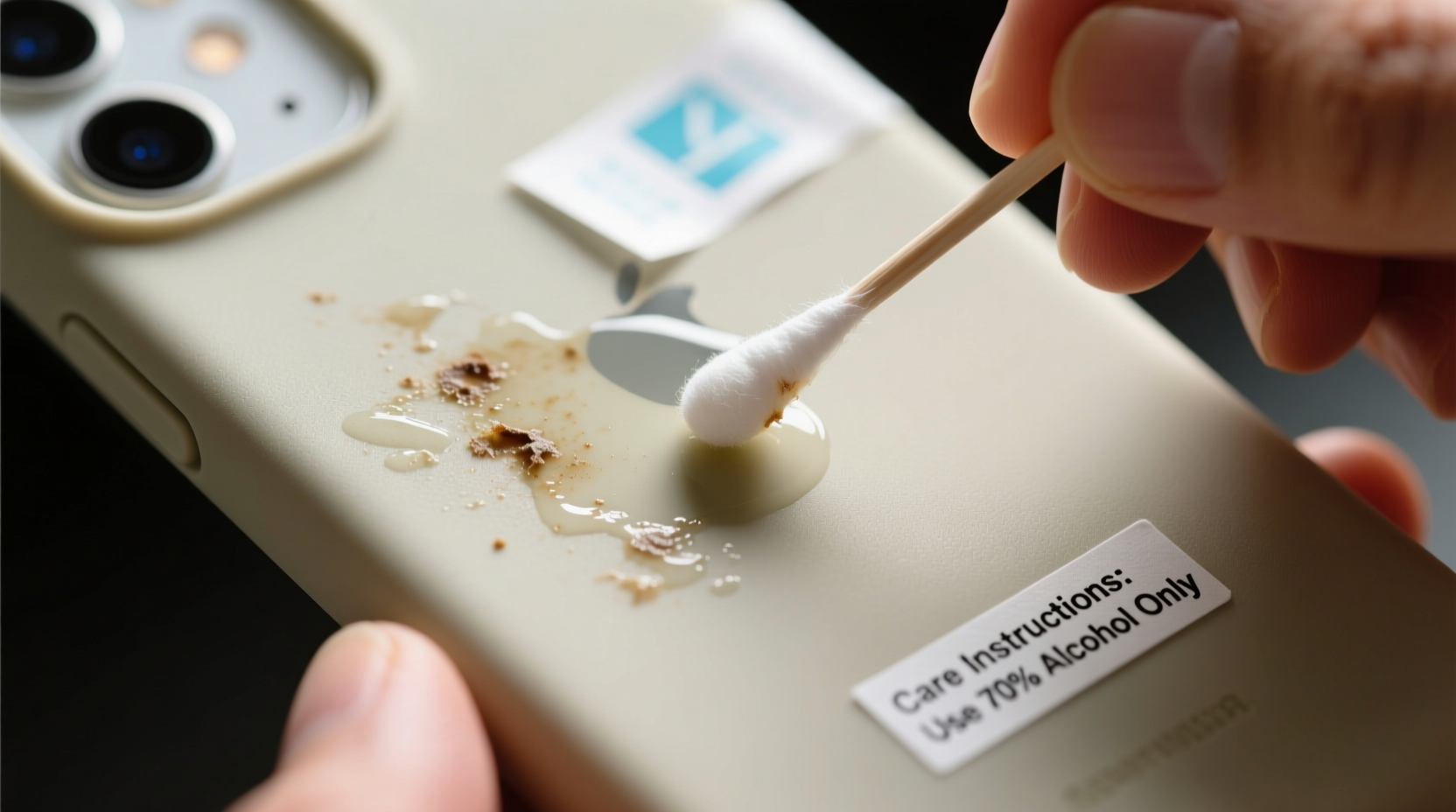
Sticker adhesives are designed to stick firmly yet remain removable under certain conditions. Most use pressure-sensitive polymers that bond when pressed against a surface. Over time, especially in warm or humid environments, these adhesives can oxidize and harden, making them more difficult to remove. On smooth plastic or rubber surfaces like those found on phone cases, residue often bonds tightly, particularly if left for weeks or months.
What makes removal risky is the delicate nature of phone case materials. Silicone and TPU (thermoplastic polyurethane) are soft and prone to micro-scratches. Polycarbonate shells can develop hazing when exposed to alcohol or acetone. Leather cases react poorly to moisture and abrasives. Using improper tools—like razor blades, steel wool, or undiluted solvents—can permanently mar the surface.
Tip: Never use metal scrapers or abrasive pads on soft phone cases—even if residue seems stuck.Safe & Effective Removal Methods
The key to removing sticker residue without damage lies in gentle chemical dissolution combined with non-abrasive mechanical action. Below are five reliable methods, each suited to different case materials and levels of residue buildup.
1. Rubbing Alcohol (Isopropyl Alcohol)
Rubbing alcohol is one of the most accessible and effective solutions for breaking down adhesive polymers. It evaporates quickly, minimizing moisture exposure, and doesn’t leave behind oily residues like some solvents.
How to use:
- Dampen a cotton ball or soft microfiber cloth with 70% isopropyl alcohol.
- Gently rub the sticky area in small circular motions for 20–30 seconds.
- Wipe away loosened residue with a clean, dry section of the cloth.
- Rinse the area with water (if applicable) and dry thoroughly.
Best for: Hard plastic, polycarbonate, and coated leather cases.
Avoid on: Uncoated leather, matte-finish silicone, or cases labeled “alcohol-sensitive.”
2. Olive Oil or Coconut Oil
Fats naturally break down adhesive compounds. A few drops of cooking oil can soften residue enough to wipe it away gently—ideal for delicate surfaces.
How to use:
- Apply a small amount of olive or coconut oil directly onto the residue.
- Let sit for 5–10 minutes to penetrate the adhesive.
- Wipe with a soft cloth using light pressure.
- Clean off excess oil with a drop of dish soap and lukewarm water.
- Dry completely before reuse.
Best for: Silicone, rubber, and textured TPU cases.
Caution: Do not use on porous materials like untreated fabric or suede.
3. Baking Soda Paste
A mild abrasive, baking soda can help lift residue when combined with a liquid agent. When used correctly, it won’t scratch—unlike salt or sand-based scrubs.
How to use:
- Mix one tablespoon of baking soda with one teaspoon of water or oil to form a thick paste.
- Apply to the affected area and let sit for 2–3 minutes.
- Buff gently in circular motions with a soft cloth for 30 seconds.
- Rinse and dry thoroughly.
Best for: Durable plastics and rubber cases with heavy buildup.
Never use: On glossy finishes or soft-touch coatings.
4. Commercial Adhesive Removers (e.g., Goo Gone)
Formulated specifically for adhesive breakdown, products like Goo Gone contain citrus-based solvents such as d-limonene, which dissolve glue without harming most plastics.
How to use:
- Apply a small amount to a cotton pad—do not spray directly.
- Press onto residue for 30 seconds, then wipe gently.
- Follow with a damp cloth to remove any solvent traces.
- Dry completely.
Best for: Stubborn, aged stickers on hard-shell cases.
Always test first: Apply to an inconspicuous area to check for discoloration.
5. Warm Soapy Water Soak
For removable cases, soaking can loosen adhesive over time with zero chemical risk.
How to use:
- Remove the phone from the case.
- Soak the case in warm water mixed with a drop of dish soap for 10–15 minutes.
- Use a soft sponge or cloth to gently rub the residue.
- Rinse and air-dry completely before reattaching your phone.
Best for: Non-electronic, waterproof-compatible cases.
Do not use: On hybrid cases with metal components or glued layers.
Step-by-Step Guide: Removing Residue Safely
Follow this universal process to maximize effectiveness while minimizing risk:
- Assess the case material. Determine whether it’s silicone, TPU, polycarbonate, leather, or hybrid. This guides your method choice.
- Peel off as much sticker as possible. Use fingernails or a plastic card edge to lift corners gently.
- Select a removal method based on material compatibility (see table below).
- Test on a hidden area first—especially with oils or solvents.
- Apply treatment with a soft cloth or cotton swab, avoiding excessive rubbing.
- Wipe clean with a damp microfiber cloth to remove residue and cleaning agents.
- Dry thoroughly before reusing to prevent moisture trapping.
Do’s and Don’ts: Quick Reference Table
| Do’s | Don’ts |
|---|---|
| Use a microfiber or lint-free cloth | Use paper towels or rough fabrics |
| Test cleaners on an inconspicuous spot | Apply strong solvents without testing |
| Use plastic cards (e.g., old credit card) to lift edges | Scrape with knives, keys, or metal tools |
| Let oils or alcohol sit briefly to penetrate | Rub aggressively in hopes of speeding up removal |
| Rinse and dry after cleaning | Leave cleaning agents on the surface |
Real Example: Clearing Residue from a Matte-Finish Case
Jamie bought a new matte black TPU phone case and excitedly removed the branding sticker—only to find a shiny, sticky patch where the label had been. Worried about ruining the sleek finish, she tried wiping it with water and a tissue, which made it worse. After researching, she opted for the olive oil method. She applied a tiny drop to a cotton swab, let it sit for seven minutes, then wiped gently with a folded microfiber cloth. The residue lifted cleanly, and the matte texture remained intact. A quick wash with soapy water removed the oil film, leaving the case looking factory-fresh.
This example shows how patience and the right technique matter more than strength. Jamie avoided alcohol, which could have stripped the matte coating, and instead chose a method aligned with her case’s sensitivity.
“Adhesive removal isn’t about force—it’s about chemistry. Matching the solvent to the surface prevents damage and yields better results.” — Dr. Lena Patel, Materials Scientist at Consumer Product Safety Lab
Checklist: Safe Sticker Residue Removal
- Identify your phone case material
- Peel off loose sticker parts carefully
- Choose a compatible cleaning method
- Test the solution on a hidden area
- Apply with a soft cloth or cotton pad
- Allow dwell time for penetration
- Wipe gently in circular motions
- Rinse or wipe clean after treatment
- Dry fully before reassembling
- Inspect for residue; repeat if necessary
FAQ
Can I use hand sanitizer to remove sticker residue?
Yes, but cautiously. Most hand sanitizers contain 60–70% alcohol and gel thickeners. While the alcohol can break down adhesive, the added polymers may leave a filmy residue. If using sanitizer, apply a small amount, wipe immediately with a damp cloth, and dry thoroughly. Best for emergency use, not recommended for frequent cleaning.
Will vinegar remove sticker glue from my phone case?
Vinegar is mildly acidic and can degrade some adhesives, but it’s not ideal for phone cases. Its acidity risks etching glossy surfaces or weakening plastic over time. Additionally, the smell lingers and may affect scent-sensitive materials. Stick to safer options like alcohol or oil-based removers.
What if the residue is still there after cleaning?
If residue persists, repeat the process with a slightly stronger method—e.g., move from oil to rubbing alcohol. Allow longer dwell time between applications. Avoid layering multiple solvents at once. Sometimes two treatments spaced a few minutes apart work better than one aggressive attempt.
Conclusion: Keep Your Case Clean and Scratch-Free
Removing sticker residue from a phone case doesn’t require special skills or expensive products. What it does require is care, the right tools, and respect for the material you’re working with. By understanding how adhesives bond and choosing gentle, targeted solutions, you can restore your case to pristine condition—without a single scratch.
Whether you're prepping a secondhand case, removing old branding, or dealing with leftover tape from repairs, the methods outlined here offer a reliable path to success. Start mild, test first, and prioritize soft cloths and controlled application. Your phone case protects your device; now you can protect its appearance too.
💬 Have a trick that worked wonders on your phone case? Share your experience in the comments and help others keep their devices looking flawless!








