
Pet owners know the joy of traveling with their furry companions—but they also know the aftermath: a car interior blanketed in stubborn pet hair. Whether it's fine cat fur or thick dog undercoat, pet hair clings tenaciously to fabric and leather seats, embedding itself into crevices and seams. While it’s tempting to grab the nearest brush or vacuum and scrub aggressively, improper cleaning methods can scratch surfaces, degrade fabric fibers, or leave behind residue that attracts more dirt. The goal isn’t just removal—it’s preserving the integrity of your car’s upholstery while achieving a clean, hair-free cabin.
With the right tools, techniques, and a bit of patience, you can effectively eliminate pet hair without causing wear or tear. This guide walks through scientifically sound and field-tested approaches, backed by automotive care experts and real-world experience, to keep your vehicle looking pristine—even if your pet rides shotgun daily.
Why Pet Hair Is So Difficult to Remove
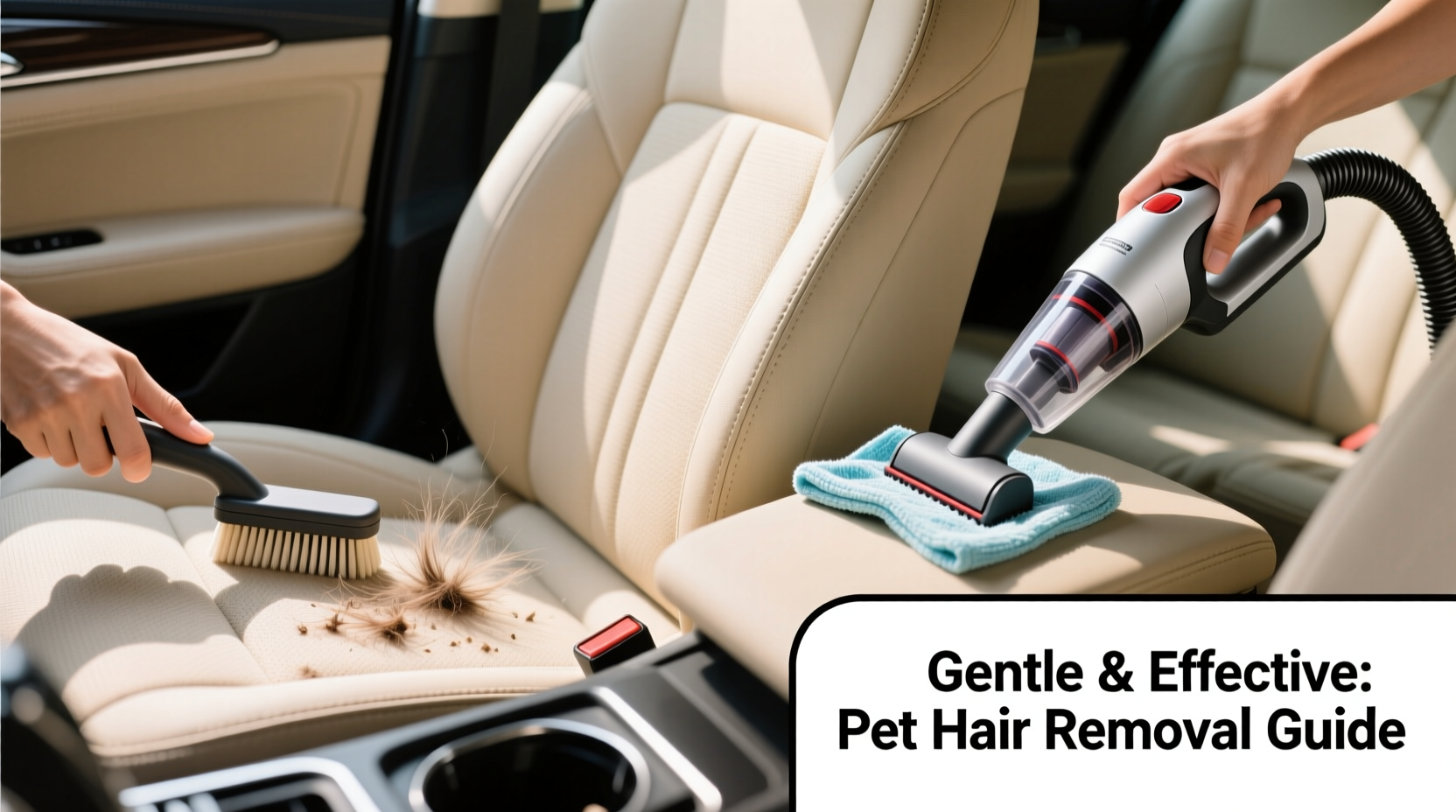
Pet hair isn’t like ordinary lint. It’s naturally oily due to sebum secretions from animal skin, which increases its static cling and adhesion to textiles. Synthetic car seat fabrics, especially those with textured weaves, create micro-grooves where hair lodges deeply. Leather and vinyl may seem easier to clean, but static buildup on these surfaces can make hair jump back onto the surface after removal.
Additionally, repeated exposure leads to compaction—hair gets pressed into the material over time, forming layers that resist casual wiping. Aggressive scraping or dry brushing only grinds the hair deeper and risks fiber abrasion or surface marring.
“Pet hair removal is less about force and more about leveraging physics—static, moisture, and directional friction.” — Dr. Alan Pierce, Textile Scientist at AutoCare Research Institute
Safe and Effective Tools for Hair Removal
The key to safe cleaning lies in selecting tools designed for delicate surfaces. Not all grooming or household items are suitable. Below is a breakdown of recommended tools and why they work:
- Rubber gloves (natural latex or nitrile): Generate friction and static when rubbed over fabric, attracting hair into clumps.
- Damp microfiber cloth: Slightly moistened cloths lift hair via capillary action without soaking the material.
- Lint rollers (reusable preferred): Gentle adhesive removes surface hair; reusable versions reduce waste and cost.
- Car detailing brush (soft-bristle): Designed for auto interiors, these brushes dislodge debris without scratching.
- Handheld vacuum with upholstery attachment: Low-suction models prevent fabric distortion while extracting loosened hair.
- Squeegee (rubber-bladed): A surprising but effective tool—its edge gathers hair efficiently on both fabric and leather.
Step-by-Step Guide: Removing Pet Hair Safely
Follow this systematic approach to ensure maximum hair removal with zero damage to upholstery:
- Prepare the Area
Remove floor mats and loose items. Open doors or windows slightly to allow airflow, reducing static buildup during cleaning. - Dry Brush First (Fabric Seats)
Using a soft-bristle detailing brush, gently sweep in one direction along the fabric grain. This lifts compacted hair to the surface. Avoid circular motions, which push hair deeper. - Use a Damp Microfiber Cloth
Slightly dampen a high-quality microfiber cloth (never soaking wet). Wipe in straight strokes. The moisture neutralizes static, allowing hair to adhere to the cloth. Rinse and repeat as needed. - Apply the Rubber Glove Technique
Put on a rubber glove and run your hand across the seat. The natural tackiness picks up clumps of hair. Rinse the glove periodically to maintain grip. - Vacuum with Care
Use a handheld vacuum on low suction. Attach the upholstery nozzle and move slowly, overlapping passes. Focus on seams and crevices where hair accumulates. - Final Pass with Lint Roller or Squeegee
For lingering hairs, use a lint roller or a rubber squeegee pulled firmly in one direction. Both generate mild static that pulls out final strands. - Condition Leather (If Applicable)
After cleaning, apply a pH-balanced leather conditioner to restore moisture lost during wiping and prevent cracking.
Do’s and Don’ts: Upholstery Protection Table
| Do’s | Don’ts |
|---|---|
| Use distilled water for damp cloths to avoid mineral deposits | Never use household detergents—they strip fabric coatings |
| Clean in sections to ensure full coverage | Avoid excessive rubbing, which causes pilling on fabric |
| Store tools in a sealed container to keep them clean | Don’t use duct tape or packing tape—residue damages surfaces |
| Vacuum monthly, even if not visibly dirty | Never steam-clean unless manufacturer-approved |
| Use seat covers designed for pets | Don’t ignore ventilation—dampness promotes odor and mildew |
Real Example: How One Owner Fixed Her SUV Interior
Sarah M., a Labrador owner from Colorado, struggled with black fur coating her beige cloth seats after every hike. She tried standard vacuums and sticky rollers, but within hours, hair reappeared. Frustrated, she consulted a local auto detailer who introduced her to the rubber glove and damp cloth method.
She began by brushing each seat with a soft boar-bristle brush, then wiped with a lightly dampened microfiber cloth. Afterward, she used a reusable lint roller and finished with a quick vacuum pass. The result? Over 95% of visible and embedded hair was removed. She now cleans her SUV every two weeks and uses custom-fit, washable seat covers during longer trips. “It takes 20 minutes,” she says, “but my car feels like new again—and no more black fuzz on my clothes.”
Preventive Measures to Minimize Future Buildup
Regular maintenance beats deep cleaning any day. Incorporate these habits to reduce pet hair accumulation:
- Use pet-friendly seat covers: Waterproof, machine-washable covers act as a barrier and come off for easy cleaning.
- Groom your pet before rides: A quick brushing removes loose undercoat before it enters your car.
- Keep a cleaning kit in your trunk: Include a lint roller, microfiber cloth, and small brush for touch-ups after trips.
- Install a cabin air filter with allergen protection: Reduces airborne dander and makes vacuuming more effective.
- Wipe down seats weekly: Even a quick pass prevents hair from becoming deeply embedded.
Frequently Asked Questions
Can I use a regular household vacuum on car seats?
You can, but with caution. Most home vacuums have higher suction than necessary, which can distort fabric weave or pull threads. Use a handheld model with adjustable suction and a soft brush attachment. Never press too hard—let the vacuum do the work.
Is it safe to use water on fabric car seats?
Yes, but sparingly. Use a barely damp microfiber cloth—never pour or spray water directly. Excess moisture can seep into foam padding, leading to mold, odors, or weakening of adhesive layers. Always allow seats to air-dry fully before closing up the vehicle.
Will a squeegee scratch leather or vinyl seats?
Not if used correctly. Choose a squeegee with a clean, flexible rubber blade—no metal edges. Pull it firmly in one direction across the surface. The rubber generates static that collects hair without abrasion. Clean the blade after each use to prevent grit buildup.
Expert-Backed Checklist for Long-Term Upholstery Care
To keep your car seats hair-free and undamaged over time, follow this checklist monthly:
- ✔ Vacuum seats and crevices with low suction
- ✔ Wipe fabric with a slightly damp microfiber cloth
- ✔ Brush against the grain to lift hidden hair
- ✔ Use a rubber glove or squeegee for final pickup
- ✔ Apply fabric protector spray (if recommended for your material)
- ✔ Condition leather seats every 2–3 months
- ✔ Wash or replace seat covers as needed
- ✔ Inspect seams and folds for trapped debris
“The best car interiors aren’t cleaned the hardest—they’re maintained the smartest.” — Lena Torres, Master Detailer at Precision Auto Finish
Conclusion: A Clean Car That Respects Your Pet and Your Upholstery
Removing pet hair from car seats doesn’t require harsh chemicals or aggressive scrubbing. In fact, gentler methods often yield better, longer-lasting results. By understanding the nature of pet hair and using the right combination of friction, moisture, and static control, you can achieve a spotless interior without compromising fabric or leather integrity.
Consistency matters more than intensity. A few minutes of mindful cleaning every week will save you hours of deep cleaning later—and extend the life of your vehicle’s upholstery significantly. Whether you drive a family SUV or a sleek sedan, you don’t have to choose between enjoying your pet’s company and maintaining a clean car.
💬 Have a favorite pet hair hack that works in your car? Share your tip in the comments and help fellow pet owners ride in comfort and cleanliness!








