
Cats age more subtly than humans, often masking discomfort or decline as instinct drives them to appear strong. By the time visible symptoms emerge, your feline companion may already be in need of significant support. Understanding the early indicators of aging allows you to adapt their environment, nutrition, and veterinary care proactively. With proper attention, senior cats—typically those aged 7 years and older—can enjoy a high quality of life well into their teens or even twenties.
Behavioral Changes That Signal Aging
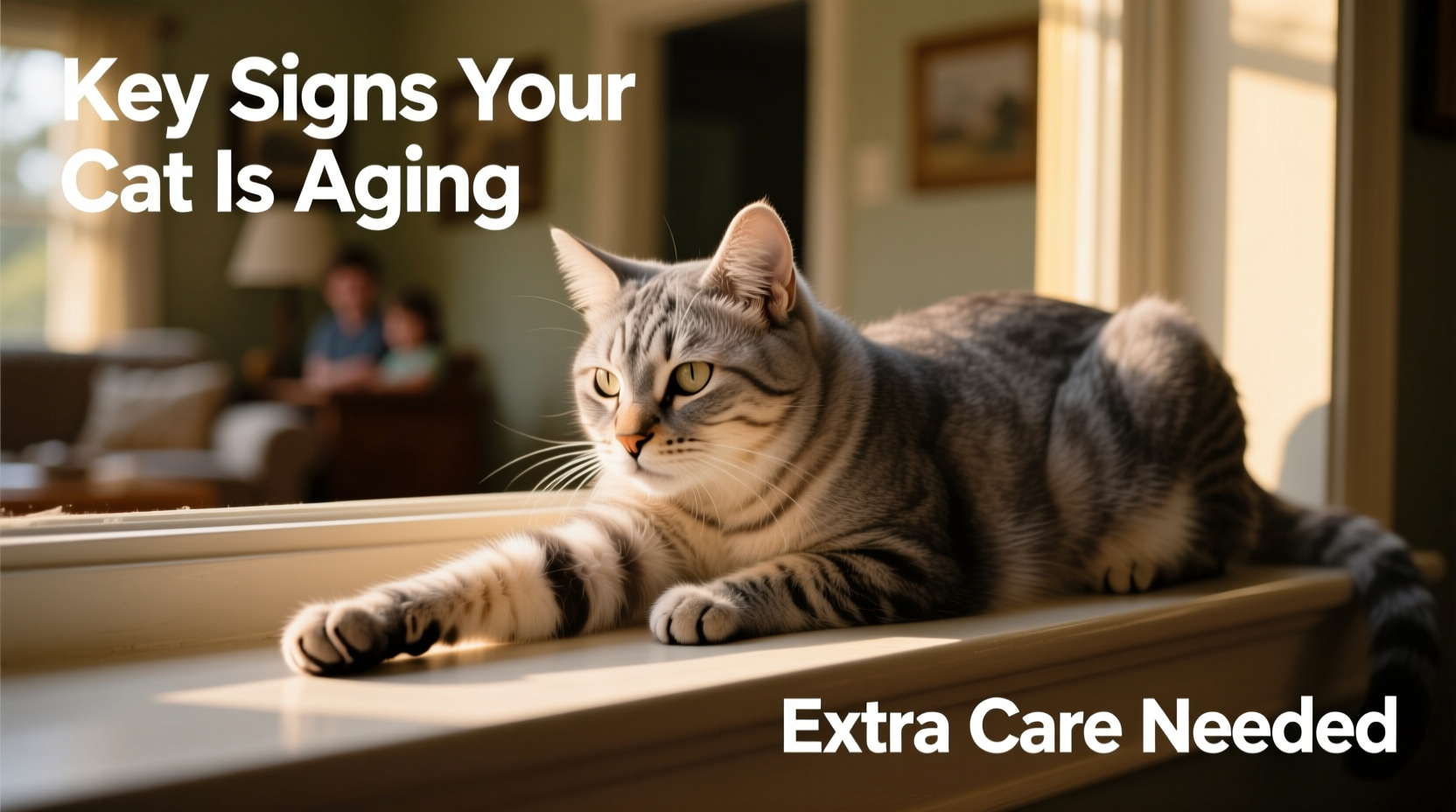
One of the first areas where aging becomes apparent is in your cat’s behavior. Subtle shifts in routine, social interaction, or daily habits can reflect underlying physical or cognitive changes. Older cats may become less playful, sleep more deeply, or retreat to quiet spaces more frequently. While some lethargy is normal with age, sudden disinterest in activities they once enjoyed—like chasing toys or perching by windows—warrants closer observation.
Increased vocalization, especially at night, is another common sign. This may stem from confusion due to cognitive dysfunction, hearing loss, or discomfort. Some cats begin meowing persistently without clear cause, which can disrupt household routines and signal distress.
Tip: Monitor your cat’s nighttime activity. If they seem restless or confused after dark, consult your vet about possible cognitive or sensory issues.House soiling outside the litter box is often misinterpreted as behavioral defiance but is frequently linked to arthritis (making it painful to climb in) or urinary tract issues common in older cats. Always rule out medical causes before assuming a training problem.
Physical Signs of Seniority and Decline
As cats age, their bodies undergo natural wear. Recognizing these physical transformations helps you respond appropriately. Common signs include:
- Weight loss or gain: Unintentional weight loss may point to hyperthyroidism, kidney disease, or dental pain. Conversely, reduced activity can lead to obesity, increasing strain on joints and organs.
- Dull or matted coat: Older cats may groom less due to stiffness or fatigue, leading to a scruffy appearance. Poor coat condition can also indicate dehydration or nutritional deficiencies.
- Dental issues: Yellowing teeth, bad breath, drooling, or reluctance to eat crunchy food suggest gum disease or tooth resorption—both prevalent in senior cats.
- Vision and hearing changes: Cloudy eyes, bumping into furniture, or failure to respond to sounds may indicate cataracts, glaucoma, or hearing loss.
Muscle wasting, particularly along the spine and hips, is a hallmark of aging. Combined with reduced jumping ability, this often reflects sarcopenia—the natural loss of muscle mass—and possibly undiagnosed arthritis.
Table: Common Physical Signs and Possible Causes
| Sign | Possible Cause(s) | Action Step |
|---|---|---|
| Limping or stiff gait | Arthritis, joint degeneration | Vet exam, pain management, joint supplements |
| Increased thirst/urination | Kidney disease, diabetes | Blood and urine tests |
| Overgrown nails | Reduced scratching or grooming | Regular trimming |
| Bad breath | Dental disease | Dental cleaning under anesthesia |
| Cloudy eyes | Cataracts, hypertension | Ophthalmic evaluation |
Nutritional Needs for Senior Cats
Diet plays a pivotal role in managing age-related conditions. Senior cats often require fewer calories due to decreased activity but need higher-quality protein to maintain muscle mass. Many commercial “senior” formulas are lower in protein, which can be counterproductive. Instead, look for diets rich in digestible animal proteins and moderate in fat.
Hydration becomes increasingly critical. Older cats are prone to chronic kidney disease, and moist foods help maintain fluid intake. Consider transitioning to wet food or adding water to dry kibble if your cat tolerates it.
“Cats don’t age uniformly—some show signs at 8, others remain spry at 15. Individualized nutrition and twice-yearly vet checks are essential.” — Dr. Lena Torres, Feline Internal Medicine Specialist
Supplements such as omega-3 fatty acids, glucosamine, and antioxidants may support joint health and cognitive function, but always discuss additions with your veterinarian to avoid interactions.
Creating a Cat-Friendly Senior Environment
Small modifications to your home can dramatically improve comfort and safety. As mobility declines, once-easy jumps become daunting. Provide low-entry litter boxes with non-slip surfaces, and place them on every floor your cat frequents. Ramps or steps can help them access favorite window perches or beds.
Keep food, water, and resting areas easily accessible. Soft bedding with warmth-retaining properties supports arthritic joints. Avoid drafts and cold surfaces, which can exacerbate stiffness.
Tip: Use heated pet pads on low settings during colder months—many senior cats love the soothing warmth on sore joints.Mini Case Study: Bella, Age 14
Bella, a long-haired domestic shorthair, began avoiding her second-floor litter box and started sleeping under the bed. Her owner initially assumed she was being stubborn. A vet visit revealed moderate arthritis and early-stage kidney insufficiency. After switching to a renal-support diet, starting a daily joint supplement, and placing a litter box on the main floor, Bella resumed normal habits within three weeks. Her owner also added a ramp to her favorite sunlit windowsill. Today, Bella remains active and comfortable at age 16.
Essential Care Checklist for Aging Cats
- Schedule biannual veterinary checkups, including bloodwork and urinalysis.
- Monitor weight monthly using a home scale.
- Switch to a high-protein, moisture-rich diet appropriate for age and health status.
- Provide easy-access litter boxes (one per floor, plus one extra).
- Introduce ramps or steps to elevated surfaces.
- Brush your cat regularly to prevent matting and skin issues.
- Trim nails every 2–3 weeks if they’re not wearing down naturally.
- Observe behavior changes closely—note any shifts in appetite, sleep, or elimination.
- Reduce stress with consistent routines and safe hiding spots.
- Engage in gentle play to maintain mobility and mental stimulation.
Frequently Asked Questions
At what age is a cat considered senior?
Cats are generally classified as senior at around 7 to 10 years old, with geriatric status beginning at 11 or older. However, this varies by breed and individual health. Regular vet assessments are the best way to determine your cat’s life stage.
Can older cats develop dementia?
Yes. Feline Cognitive Dysfunction (FCD) affects up to 50% of cats over 15. Symptoms include disorientation, altered sleep cycles, decreased grooming, and forgetting previously learned behaviors. While not curable, environmental enrichment, routine, and certain supplements can slow progression.
Is it normal for my cat to sleep all day?
Cats naturally sleep 12–16 hours a day, but excessive lethargy—especially when paired with disinterest in food or interaction—may indicate illness. Sudden changes in sleep patterns should prompt a veterinary consultation.
Conclusion: Proactive Care Makes All the Difference
Recognizing the signs of aging in your cat isn’t about anticipating decline—it’s about enabling continued well-being. Small adjustments in diet, environment, and medical oversight can extend not just lifespan, but *healthspan*. Your attentive care ensures that your cat’s later years are filled with comfort, dignity, and love.
🚀 Start today: Schedule a senior wellness checkup, evaluate your home for accessibility, and observe your cat with fresh eyes. Share this guide with fellow cat owners to spread awareness and compassion for our aging feline friends.








