Dogs cannot tell us when they’re in pain or feeling unwell, but their behavior often sends subtle—or not-so-subtle—signals. One of the more common yet frequently overlooked health issues in dogs is a urinary tract infection (UTI). Left untreated, a UTI can lead to kidney damage, bladder stones, or systemic infections. Recognizing the early signs and knowing how to confirm a diagnosis are essential steps every dog owner should be prepared to take.
Common Signs Your Dog May Have a UTI
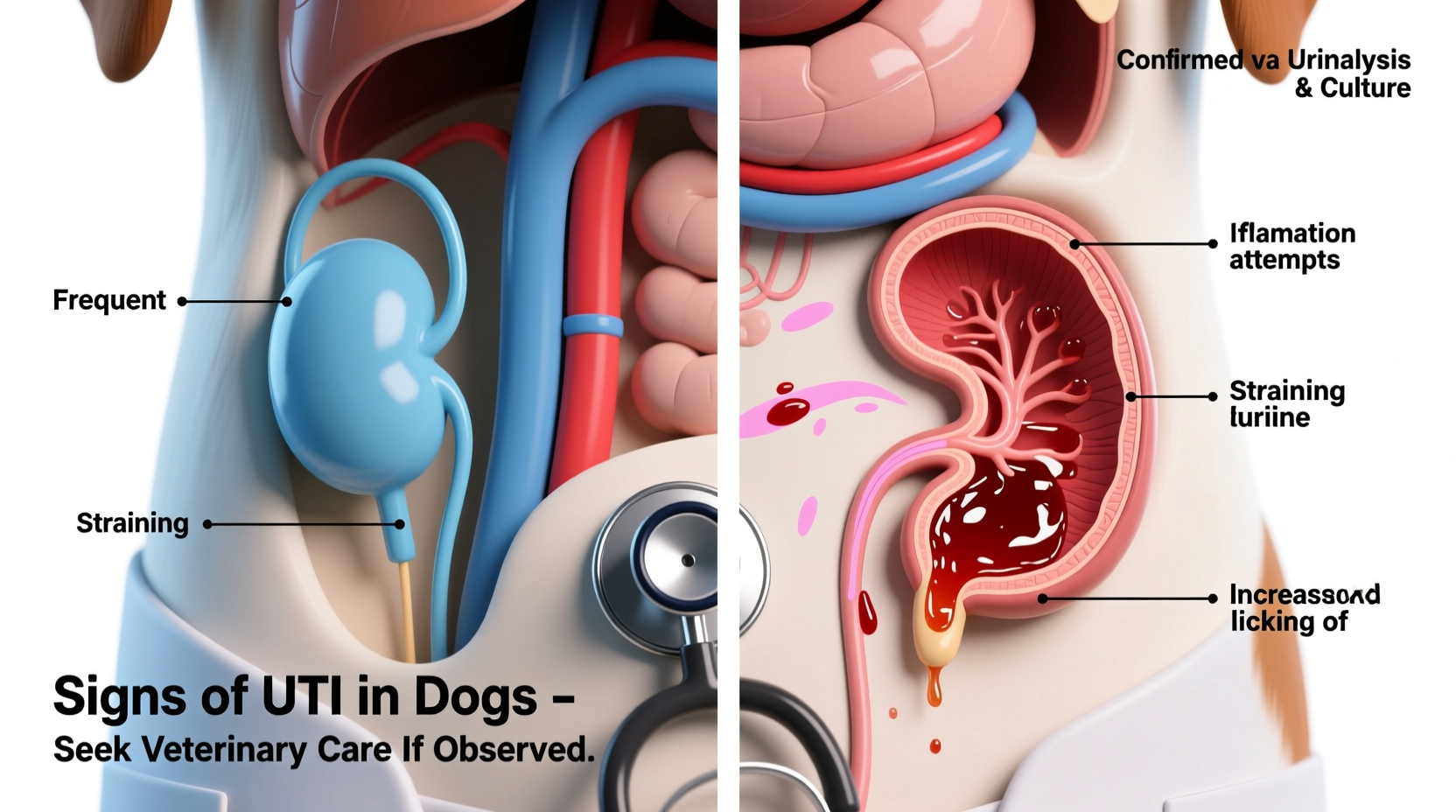
A urinary tract infection occurs when bacteria enter the urethra and travel into the bladder. While any dog can develop a UTI, older females, dogs with weakened immune systems, and those with underlying conditions like diabetes are at higher risk. The symptoms can vary in intensity but typically include changes in urination habits and general discomfort.
- Frequent attempts to urinate with little output
- Straining or crying out while urinating
- Urinating indoors despite being house-trained
- Cloudy, discolored, or foul-smelling urine
- Licking the genital area excessively
- Increased thirst
- Lethargy or irritability
Some dogs may show only one or two of these signs, especially in the early stages. Others might exhibit multiple behaviors simultaneously, indicating a more advanced infection. It’s important not to dismiss occasional accidents as behavioral issues without first ruling out medical causes.
Tip: Keep a journal of your dog’s bathroom habits—even small changes in frequency or posture during urination can signal an issue.When to See the Veterinarian
Observing unusual behavior is the first step, but confirmation requires professional evaluation. If your dog shows any of the symptoms listed above for more than 24 hours, schedule a veterinary appointment immediately. Delaying treatment increases the risk of complications such as kidney involvement or chronic bladder inflammation.
Veterinarians use several diagnostic tools to confirm a UTI:
- Physical examination: The vet checks for abdominal tenderness, fever, and overall condition.
- Urinalysis: A urine sample is analyzed for pH, blood, white blood cells, bacteria, and crystals.
- Urine culture: This identifies the specific bacteria causing the infection and determines which antibiotics will be most effective.
- Blood tests: Used if systemic illness or kidney function concerns are suspected.
- Imaging: Ultrasound or X-rays may be recommended to rule out bladder stones or structural abnormalities.
Accurate diagnosis is critical because other conditions—such as bladder stones, tumors, or hormonal imbalances—can mimic UTI symptoms. Treating based on assumption alone can delay proper care and worsen outcomes.
“Never assume frequent urination is just a behavioral quirk. In my practice, over 30% of dogs brought in for house-soiling issues have an underlying medical cause, with UTIs topping the list.” — Dr. Laura Bennett, DVM, Small Animal Internal Medicine Specialist
Step-by-Step Guide to Confirming a UTI
Follow this timeline to ensure timely detection and treatment:
- Day 1 – Observe and Document: Note any changes in urination frequency, posture, vocalization, or indoor accidents. Take photos or videos if possible.
- Day 1–2 – Collect a Urine Sample (if feasible): Use a clean container to catch mid-stream urine. Refrigerate it and bring it to the vet within 24 hours for accurate testing.
- Day 2 – Visit the Vet: Provide a detailed history and submit the urine sample. Request both a urinalysis and culture for definitive results.
- Day 3–4 – Begin Treatment: If diagnosed, start prescribed antibiotics exactly as directed. Do not stop early, even if symptoms improve.
- Day 7–10 – Recheck Appointment: Return for a follow-up urinalysis to confirm the infection has cleared, especially in recurrent cases.
Failure to complete the full antibiotic course is a leading cause of recurring UTIs. Some bacteria survive and become resistant, making future infections harder to treat.
Do’s and Don’ts When Managing a Suspected UTI
| Do’s | Don’ts |
|---|---|
| Encourage water intake to flush the bladder | Delay veterinary care hoping symptoms resolve |
| Use a clean container to collect urine | Give human medications like AZO or cranberry supplements without vet approval |
| Keep the genital area clean and dry | Assume diet alone can cure an active infection |
| Follow up after treatment completion | Reuse old prescriptions or share meds between pets |
Real-Life Example: Bella’s Recurring UTI
Bella, a seven-year-old female Shih Tzu, began having accidents in the house. Her owner initially assumed stress from a recent move was the cause. After two weeks of worsening symptoms—including whining during urination and constant licking—Bella was taken to the vet. A urinalysis revealed white blood cells and bacteria; a culture identified E. coli as the culprit.
She was prescribed a 14-day course of antibiotics. However, her symptoms returned three weeks later. A second culture showed the same bacteria, now resistant to the original medication. Further testing uncovered bladder stones contributing to recurring infections. Once surgically removed and with a tailored antibiotic plan, Bella made a full recovery.
This case highlights why early, thorough diagnosis and follow-up are crucial. Recurrent UTIs are not normal and require deeper investigation.
Tip: For dogs prone to UTIs, consider scheduled wellness checks every six months, including routine urinalysis.Frequently Asked Questions
Can I treat my dog’s UTI at home with cranberry juice?
No. While cranberry extracts may help prevent bacterial adhesion in some cases, they do not treat active infections. Human cranberry juice often contains sugar and additives harmful to dogs. Always consult your vet before using supplements.
How long does it take for a dog to recover from a UTI?
With proper antibiotic treatment, most dogs show improvement within 48 to 72 hours. Full recovery usually takes 7 to 14 days, depending on severity. Follow-up testing ensures the infection is fully resolved.
Are certain breeds more prone to UTIs?
Yes. Breeds like Yorkshire Terriers, Shih Tzus, and Cocker Spaniels have higher rates of UTIs, especially females due to shorter urethras. Dogs with Cushing’s disease, diabetes, or spinal disorders are also at increased risk.
Prevention Checklist
Reduce the likelihood of future infections with these proactive measures:
- Provide fresh water at all times to encourage frequent urination
- Allow regular outdoor breaks—don’t let your dog “hold it” for long periods
- Maintain good hygiene, especially in long-haired breeds
- Feed a balanced diet that supports urinary health (look for appropriate pH balance)
- Schedule annual vet exams with urine screening for senior dogs
- Monitor weight—obesity increases UTI risk
Conclusion: Act Early, Heal Faster
Recognizing the signs of a urinary tract infection in your dog isn’t just about spotting accidents—it’s about understanding their body language and advocating for their health. A UTI is treatable, but only if caught in time. By staying observant, seeking prompt veterinary care, and following through with diagnostics and treatment, you protect your dog from unnecessary pain and serious complications.
💬 Your dog’s health journey matters. Share your experience with UTIs in the comments—your story could help another pet owner recognize the signs sooner.








