Lipstick is a powerful tool in any beauty routine—capable of transforming a look from casual to polished in seconds. Yet for many, especially as skin matures, the frustration of lipstick migrating into fine lines around the lips is all too familiar. This not only dulls the impact of a bold lip but can make the entire face appear less fresh and more aged. The good news: this common issue isn’t inevitable. With the right preparation, products, and application techniques, you can enjoy vibrant, defined color that stays where it belongs—on your lips.
The migration of lipstick into fine lines, often called “feathering” or “bleeding,” occurs due to a combination of natural aging, dryness, and improper lip prep. As collagen and elasticity decline over time, vertical lines above the upper lip deepen, creating tiny crevices where pigment settles. Environmental factors, dehydration, and even habitual facial movements like smiling or sipping through straws can worsen the appearance. But with a targeted approach, these challenges are manageable—and often reversible.
Understanding Why Lipstick Bleeds
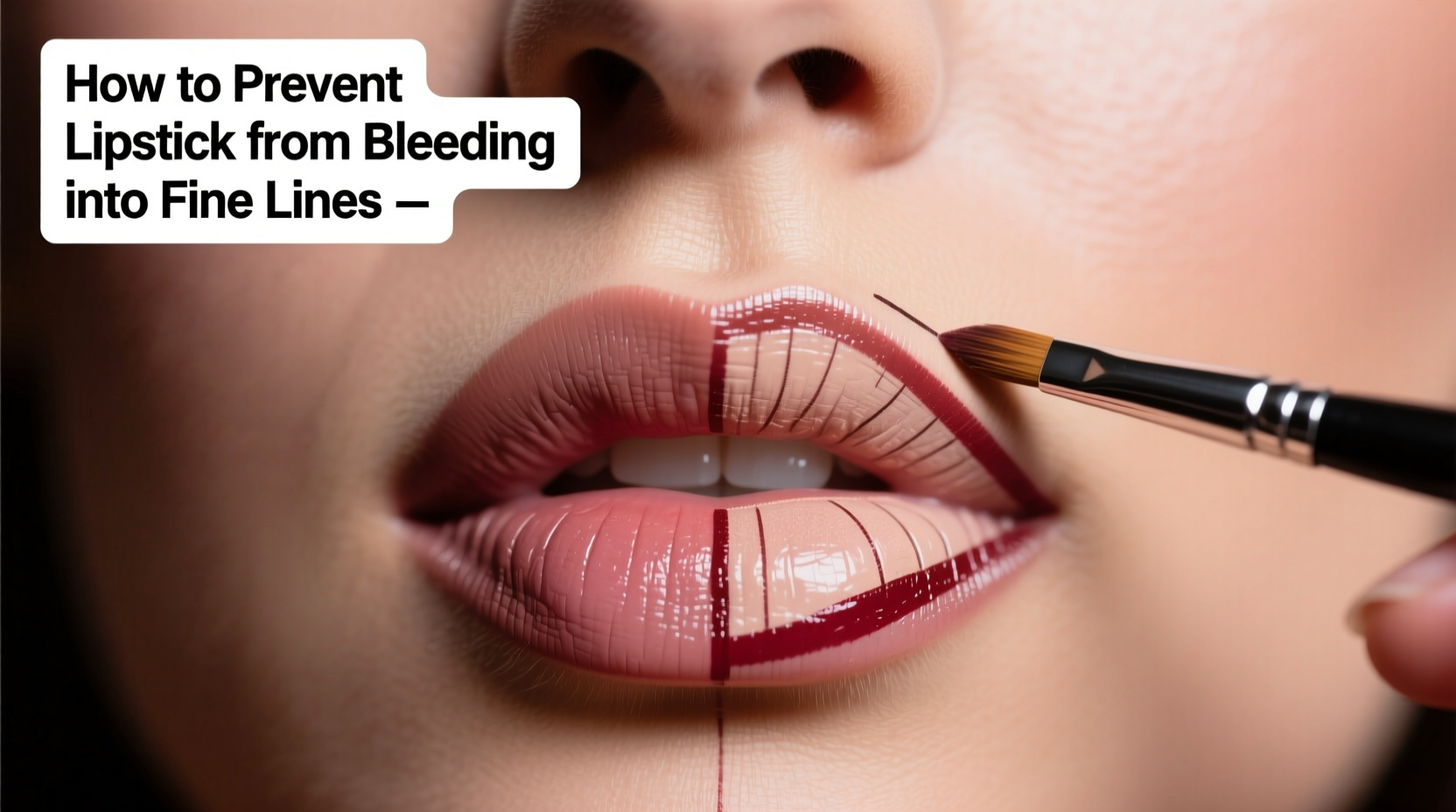
Lipstick doesn’t bleed on its own—it’s pushed or pulled into fine lines by structural and environmental factors. The primary culprits include:
- Dry, dehydrated lips: Cracked or flaky skin creates uneven texture, allowing pigment to seep into cracks.
- Loss of lip volume: As lips thin with age, the border between lip and skin becomes less distinct, making edges harder to define.
- Vertical perioral lines: Fine lines above the upper lip act like channels for liquid or creamy formulas to travel into.
- Inadequate prep: Skipping exfoliation or moisturizing leaves lips unprepared to hold color evenly.
- Wrong product choice: Thin, glossy, or overly emollient lipsticks tend to migrate more than matte or long-wear options.
According to Dr. Rachel Kim, a cosmetic dermatologist based in Los Angeles, “The key to preventing lipstick bleed lies in treating the lip area like the rest of your face—especially when it comes to hydration and barrier support.” She adds, “Fine lines aren’t just cosmetic; they’re signs of moisture loss and micro-damage. Address those first, and your lipstick will stay put.”
“Think of your lips as an extension of your skincare routine—not just a canvas for color.” — Dr. Rachel Kim, Cosmetic Dermatologist
Step-by-Step Guide: How to Prep Lips to Prevent Bleeding
Prevention starts long before the lipstick touches your lips. A consistent, multi-step prep routine builds a smooth, resilient surface that resists feathering. Follow this timeline each time you plan to wear lipstick:
- Exfoliate gently (1–2 times per week): Use a soft lip scrub or a damp washcloth to remove dead skin. Over-exfoliating can cause irritation, so limit this step to avoid micro-tears.
- Hydrate deeply: Apply a nourishing lip balm containing hyaluronic acid, shea butter, or ceramides. Allow it to absorb for 5–10 minutes before proceeding.
- Blot excess moisture: Before applying color, lightly blot your lips with a tissue. Too much emollient creates a slippery base, encouraging movement.
- Prime the lip line: Use a silicone-based lip primer or a small amount of concealer around the perimeter to create a barrier.
- Define the edge: Line your lips with a nude or matching lip liner, slightly overlining if desired, but always staying within natural contours to avoid harshness.
- Set with powder (optional): For extra staying power, lightly dust translucent powder over the liner using a small brush.
Choosing the Right Lipstick Formula
Not all lipsticks behave the same way on mature or lined skin. The formula plays a critical role in whether your color stays crisp or fades into fine lines. Here’s a breakdown of popular types and their suitability:
| Formula Type | Pros | Cons | Best For |
|---|---|---|---|
| Mattes (liquid or bullet) | Long-wearing, transfer-resistant, precise application | Can emphasize dryness if lips aren’t prepped | Mature lips, deep lines, full-day wear |
| Cremes | Comfortable, hydrating, natural finish | Tendency to bleed without proper prep | Younger skin, occasional wear |
| Glosses | Plumping effect, shiny finish | Highly migratory, settles into lines quickly | Youthful lips, short-term wear |
| Stains & Tints | Lightweight, semi-permanent, moves naturally with lips | Less pigmentation, may require layering | Daily wear, low-maintenance routines |
| Balm-infused | Moisturizing, soothing, easy to apply | Short wear time, prone to feathering | Daytime use, sensitive lips |
For those concerned about bleeding, dermatologists and makeup artists consistently recommend long-wear matte liquids. These set quickly and form a flexible film that resists movement. However, they must be applied to well-prepped lips to avoid cracking.
Skillful Application Techniques That Make a Difference
Even the best products fail without proper technique. Precision in application reduces the risk of pigment creeping into fine lines. Consider these professional methods:
- Use a lip brush: It offers greater control than a bullet or wand, allowing you to paint color precisely within the lip line.
- Line before filling: Start with a lip liner that matches your natural lip tone or lipstick shade. This creates a “foundation” that locks in color.
- Avoid overlining the cupid’s bow: While subtle overlining can enhance shape, extending too far above the natural vermillion border increases the chance of pigment sinking into upper-lip lines.
- Blot and reapply: After the first coat, blot with a tissue and apply a second thin layer. This builds intensity without excess product.
- Clean up edges: Dip a small angled brush in concealer to sharpen the lip line and remove any stray pigment.
Skincare That Supports Smoother Lips Long-Term
Makeup tricks offer immediate fixes, but lasting improvement requires addressing the root causes of fine lines. Integrating targeted skincare into your daily regimen can visibly reduce lip-line depth over time.
Look for ingredients known to plump and repair:
- Hyaluronic acid: Attracts moisture to the lip surface, temporarily smoothing creases.
- Peptides: Support collagen production, improving lip firmness and reducing sagging.
- Retinoids (low concentration): Gently increase cell turnover. Use cautiously—start with once or twice a week to avoid irritation.
- Squalane and ceramides: Strengthen the moisture barrier, preventing dryness-induced cracking.
Night treatments are particularly effective. Apply a thick layer of reparative balm or a dedicated lip serum before bed. Products containing bakuchiol (a plant-based retinol alternative) are excellent for sensitive users seeking anti-aging benefits without dryness.
“Patients who treat their lips with active serums see fewer signs of lipstick migration within 4–6 weeks.” — Dr. Lena Torres, Board-Certified Dermatologist
Mini Case Study: Maria’s Transformation at 52
Maria, a communications manager from Chicago, had grown self-conscious about her red lipstick fading into fine lines after just an hour. She avoided bold colors, sticking to nudes out of frustration. After consulting a makeup artist, she began a new routine: weekly gentle exfoliation, nightly application of a hyaluronic lip mask, and switching to a matte liquid lipstick applied with a brush.
She also incorporated a peptide-based lip serum into her evening skincare. Within three weeks, she noticed her lips felt smoother and held color longer. By week six, her favorite crimson shade stayed sharp for over eight hours—even through coffee breaks and meetings. “I didn’t realize how much my lip care was affecting my confidence,” she said. “Now I feel ready for anything.”
Checklist: How to Prevent Lipstick from Bleeding
Keep this checklist handy for daily or special occasion use:
- ✅ Exfoliate lips 1–2 times per week
- ✅ Apply hydrating lip balm and let it absorb
- ✅ Blot off excess moisture before makeup
- ✅ Use a lip liner to define and fill the entire lip area
- ✅ Choose a long-wear matte or liquid formula
- ✅ Apply with a brush for precision
- ✅ Set edges with concealer or translucent powder
- ✅ Carry blotting papers and a touch-up liner
- ✅ Use a retinol or peptide lip treatment at night
- ✅ Avoid thin, glossy formulas if prone to feathering
Frequently Asked Questions
Can I use foundation instead of lip primer?
Yes. A small amount of matte foundation or concealer applied around the lip line with a brush can act as an effective barrier. Just ensure it’s fully blended and not too thick, as cakey texture can disrupt lipstick application.
Does drinking more water really help prevent bleeding?
Indirectly, yes. Chronic dehydration contributes to dry, chapped lips and accentuates fine lines. Staying hydrated supports overall skin health, including the delicate lip area. Pair internal hydration with topical moisturizers for best results.
Is it safe to use retinol on my lips?
Pure retinol can be too harsh for the thin lip skin. Instead, opt for lip-specific treatments with encapsulated retinoids or bakuchiol, which deliver similar anti-aging benefits with less irritation. Start slowly—2–3 nights per week—and discontinue if redness or peeling occurs.
Conclusion: Embrace Bold Color Without Compromise
Preventing lipstick from bleeding into fine lines isn’t about sacrificing vibrancy for practicality—it’s about combining smart skincare with intentional makeup habits. From nightly hydration to choosing the right formula and mastering clean application, every step builds toward a look that lasts. You don’t need expensive treatments or invasive procedures to enjoy a crisp, confident lip. Consistency and attention to detail are your most powerful tools.
💬 Ready to rock your favorite red without fear? Start tonight with a simple lip scrub and balm. Share your go-to tip for keeping lipstick in place—we’d love to hear what works for you!








