Rabbits are intelligent, social animals capable of learning routines—including where to go to the bathroom. Potty training a rabbit is not only possible, it’s one of the most rewarding aspects of indoor rabbit care. Unlike cats, rabbits don’t instinctively use a litter box, but with patience, consistency, and an understanding of their natural behaviors, they can be reliably trained. The key is to make the process low-stress for both you and your pet. Rushing, scolding, or using punishment will backfire, leading to fear and regression. Instead, focus on positive reinforcement, environmental setup, and reading your rabbit’s cues.
Understanding Rabbit Behavior and Bathroom Habits
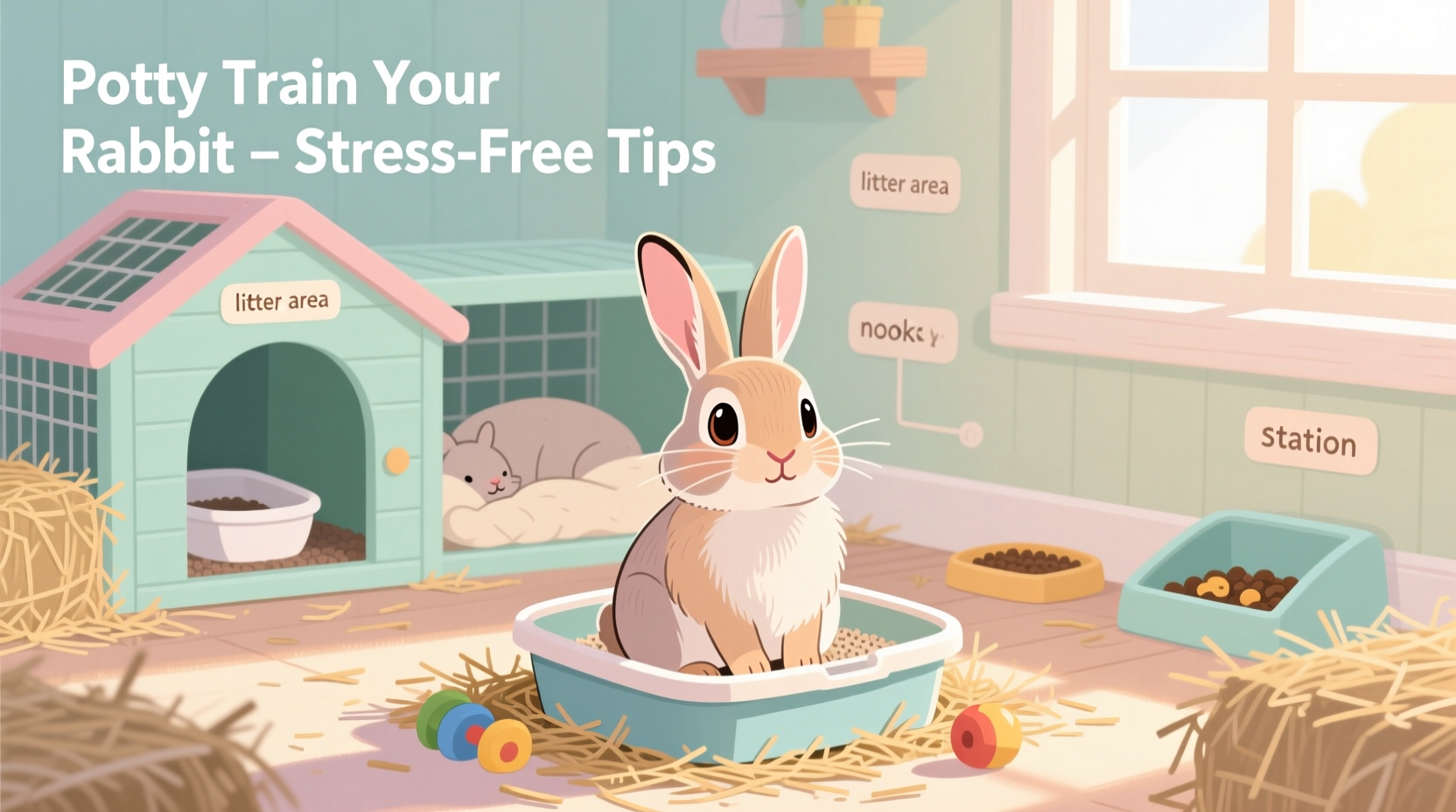
Rabbits are creatures of habit. In the wild, they designate specific areas for toileting—usually near their burrow entrance—to keep their living space clean. This instinct makes them ideal candidates for potty training. Most rabbits naturally choose one or two corners of a room to eliminate, especially if that spot already carries the scent of previous deposits. They also tend to go shortly after waking up or finishing a meal, which gives owners predictable windows to guide them toward the right place.
It's important to note that rabbits produce two types of waste: fecal pellets and urine. Pellets are usually dry and round, while urine can be thick and cloudy due to calcium excretion. Both need to be managed properly in training. Unspayed or unneutered rabbits may mark territory with urine or scatter droppings, which is why medical intervention plays a crucial role in successful training.
Tip: Spaying or neutering your rabbit greatly improves litter box success by reducing territorial marking behavior.Step-by-Step Guide to Stress-Free Potty Training
Potty training a rabbit isn’t about forcing compliance—it’s about guiding natural instincts into acceptable household behavior. Follow this timeline-based approach for best results.
- Start with confinement (Days 1–7): Begin in a small, enclosed area like a puppy pen or large exercise pen. Include a litter box, food, water, hay, and a hiding spot. Observe where your rabbit consistently eliminates. Most will pick a corner within the first few days.
- Place the litter box in the chosen spot (Day 5–7): Once you’ve identified the preferred corner, position a litter box there. Use a low-sided box for easy access. Fill it with rabbit-safe litter (paper-based or aspen shavings) and top with fresh hay. Rabbits like to eat while they eliminate, so placing hay nearby encourages longer stays in the box.
- Gradually expand space (Weeks 2–4): After your rabbit uses the box consistently for several days, slowly increase their roaming area. Add another litter box in any new zone where accidents occur. Over time, consolidate boxes as behavior improves.
- Reinforce good behavior (Ongoing): When your rabbit uses the box, offer a small treat and quiet praise. Avoid loud reactions—even excitement can startle sensitive rabbits.
- Maintain routine cleaning (Daily): Scoop urine-soaked spots daily and replace soiled litter. A clean box encourages repeat use. Deep-clean weekly with mild vinegar solution.
Choosing the Right Litter Box and Materials
Not all litter boxes work for rabbits. Cats may prefer covered boxes, but rabbits often feel trapped in enclosed spaces. Opt for open-top, rectangular boxes with low fronts for easy hopping in and out. For larger breeds, consider a cat carrier with the door removed or a custom wooden box lined with plastic.
| Litter Type | Safety | Odor Control | Notes |
|---|---|---|---|
| Paper-based (e.g., Carefresh) | ✅ Safe if ingested | ✅ Good | Avoid clumping varieties; dust-free options best |
| Aspen shavings | ✅ Non-toxic | ✅ Moderate | Natural, absorbent; never use cedar or pine |
| Clay or clumping cat litter | ❌ Dangerous | ✅ Excellent | Can cause fatal intestinal blockages if eaten |
| Newspaper | ✅ Safe | ❌ Poor | Cheap but messy; best used as liner |
Line the bottom of the box with a thin layer of litter, then add a layer of hay on top. This mimics natural grazing behavior and keeps the rabbit occupied while eliminating.
Common Mistakes That Cause Stress and Setbacks
Even well-meaning owners can unintentionally sabotage training. Awareness of these pitfalls helps prevent frustration for both rabbit and caregiver.
- Using punishment: Yelling, tapping the nose, or rubbing a rabbit’s face in urine is cruel and ineffective. It damages trust and increases anxiety.
- Changing locations too quickly: Moving the litter box frequently confuses rabbits. Only relocate once habits are firmly established.
- Overlooking health issues: Frequent urination, straining, or blood in urine could indicate a urinary tract infection or bladder stones. Consult a vet before assuming behavioral causes.
- Skipping spay/neuter: Intact rabbits are far more likely to spray urine vertically on walls or furniture. Sterilization reduces this by over 80%, according to veterinary behaviorists.
- Impatience: Some rabbits take weeks; others months. Progress isn't linear. Regression during environmental changes (new pet, move, illness) is normal.
“Rabbit training is less about teaching and more about setting up an environment where the right choice is the easiest one.” — Dr. Lauren Harris, DVM, Exotic Animal Behavior Specialist
Real-Life Example: Luna’s Journey to Litter Success
Luna, a six-month-old dwarf rabbit adopted from a shelter, arrived at her new home with no litter training. Her owner, Maria, followed a structured plan. She started with a 4x6-foot playpen containing a single litter box in the back corner. Within three days, Luna began using the same corner consistently. Maria placed the box there and added timothy hay on top. She rewarded each correct use with a pea-sized piece of banana.
At week three, Maria expanded the space to include the living room. Luna had two accidents near the sofa—likely marking new territory. Maria added a second box in that area instead of scolding. Within ten days, Luna was using both boxes regularly. By week six, she was fully trained, even when allowed free roam of the apartment during the day. The turning point came after Luna was spayed at four months old; spraying stopped completely.
Maria credits success to consistency, observation, and resisting the urge to react negatively to accidents. “I cleaned them calmly with vinegar, said nothing, and just made sure the boxes were inviting,” she said. “She figured it out faster than I expected.”
Essential Checklist for Rabbit Potty Training Success
Use this actionable checklist to ensure you’re covering all bases:
Checklist:- ✔ Spay or neuter your rabbit (ideal age: 4–6 months)
- ✔ Choose a spacious, low-entry litter box
- ✔ Use rabbit-safe, non-clumping litter
- ✔ Place hay inside or above the litter box
- ✔ Start in a confined space to observe patterns
- ✔ Position the box where your rabbit naturally eliminates
- ✔ Clean the box daily; replace soiled litter
- ✔ Reward correct use with treats and calm praise
- ✔ Add extra boxes when expanding territory
- ✔ Rule out medical issues if sudden changes occur
Frequently Asked Questions
How long does it take to potty train a rabbit?
Most rabbits show progress within 1–2 weeks, but full reliability can take 4–8 weeks or longer. Factors like age, prior experience, and whether the rabbit is spayed/neutered affect the timeline. Some rabbits master it quickly; others require ongoing management, especially in new environments.
My rabbit keeps going outside the box—what am I doing wrong?
First, check if the box is easily accessible and placed in the right location. Rabbits often avoid boxes that are dirty, too small, or in high-traffic areas. If your rabbit is intact, spraying may be hormonal. Also, some rabbits \"miss\" slightly due to kicking—placing a higher-backed box or adding a splash guard can help. Never punish; instead, reinforce correct behavior and adjust the setup.
Can older rabbits be potty trained?
Yes. While younger rabbits often learn faster, older rabbits are equally capable of learning with patience. The principles remain the same: consistency, proper placement, and positive reinforcement. Older rabbits may have ingrained habits, so expect a longer adjustment period. Health conditions like arthritis may require modified box access (e.g., lower entry).
Creating a Harmonious Living Environment
Potty training isn’t just about cleanliness—it’s about building mutual respect between you and your rabbit. When rabbits feel secure and understood, they’re more likely to follow household rules. A well-trained rabbit enjoys greater freedom, stronger bonding, and fewer stress-related behaviors like chewing or hiding.
Remember that setbacks happen. Illness, travel, or introducing new pets can trigger temporary regression. Respond with empathy, not frustration. Revisit the basics: confine temporarily, reaffirm litter box placement, and reestablish routine. Most rabbits rebound quickly when supported gently.
Also consider your own mindset. Training should never feel like a battle. If you're feeling overwhelmed, scale back expectations. Celebrate small wins—a single day without accidents, a new box used correctly. These moments build momentum.
Final Thoughts and Call to Action
Potty training a rabbit doesn’t require special tools or expertise—just observation, consistency, and compassion. By aligning with your rabbit’s instincts rather than fighting them, you create a peaceful coexistence that benefits everyone. The result? A cleaner home, a happier pet, and a deeper bond rooted in trust.
You don’t need perfection. You need patience. Every rabbit learns at their own pace. What matters is showing up with kindness, adjusting your approach when needed, and recognizing progress, however small.
💬 Have a potty training success story or challenge? Share your experience in the comments below. Your insight could help another rabbit owner find peace—and a cleaner floor.








