Rabbits are intelligent, social animals capable of learning behaviors that make cohabitation with humans easier—and potty training is one of the most valuable skills they can acquire. Unlike cats or dogs, rabbits don’t instinctively use a litter box, but with patience, consistency, and an understanding of their natural habits, successful litter training is not only possible—it’s common. Many indoor rabbits live their entire lives without soiling beyond their designated areas. The key lies in aligning your training approach with your rabbit’s instincts and routines.
This guide breaks down the process into five practical, science-backed steps. Whether you're bringing home a new bunny or trying to correct unwanted bathroom behavior in an established pet, these methods will help you achieve consistent results. By the end, you’ll understand not just *how* to train your rabbit, but *why* each step works—giving you the confidence to adapt as needed.
Step 1: Understand Your Rabbit’s Natural Behavior
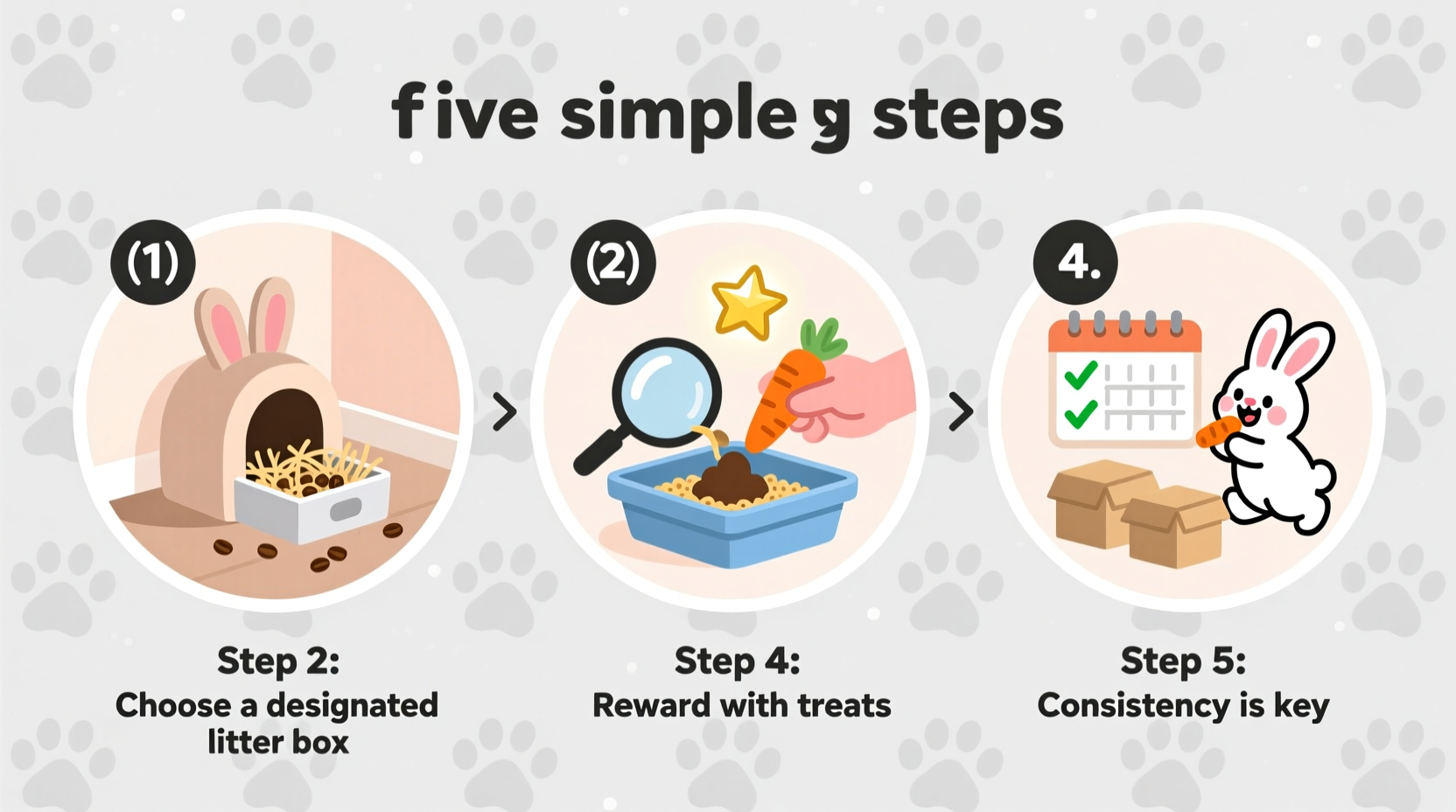
Rabbits are creatures of habit. In the wild, they designate specific corners of their burrows for elimination to keep nesting areas clean. This instinct makes them naturally inclined to use consistent spots for urination and droppings—provided those spots are safe, accessible, and undisturbed.
Before introducing a litter box, observe your rabbit’s current habits. Where do they typically go? Is it always the same corner? Do they prefer soft surfaces like carpet or hard flooring? These observations inform where you should place the litter box initially. Forcing a rabbit to use a spot they perceive as unsafe or inconvenient leads to resistance.
It's also important to note that unspayed or unneutered rabbits are far more likely to mark territory with urine or droppings. Hormonal drives override learned behavior, making training significantly harder. According to the House Rabbit Society, over 90% of rabbits who complete successful litter training are spayed or neutered by six months of age.
“Altering your rabbit isn’t just about population control—it’s essential for behavioral health and successful house training.” — Dr. Dana Kreider, DVM, Exotic Animal SpecialistTip: Watch your rabbit closely during free-roam time. Note where they consistently eliminate and plan to place the litter box there.
Step 2: Choose the Right Litter Box and Litter
Not all litter boxes work for rabbits. Cats may use tall-sided boxes, but rabbits often prefer low-entry designs because they like to sit while eliminating and may kick bedding behind them. A large, shallow storage bin or a cat litter box with one side cut down works best.
The size matters too. The box should be spacious enough for your rabbit to comfortably turn around and groom themselves after going to the bathroom—many rabbits clean their genitals post-elimination. A good rule of thumb is a box at least 18–24 inches long for average-sized breeds.
When it comes to litter, avoid clumping clay, scented litters, or those made with pine or cedar shavings. These materials release harmful phenols or dust that can damage your rabbit’s sensitive respiratory system and liver. Instead, opt for paper-based or aspen-based pellets. These are absorbent, low-dust, and safe if ingested during grooming.
Line the bottom of the box with about 1–2 inches of litter, then add a layer of hay on top. Yes—hay. This encourages your rabbit to stay in the box longer, increasing the chance they’ll also drop food-related cecotropes (soft feces eaten for nutrition) inside the box.
| Litter Type | Safety | Absorbency | Best For |
|---|---|---|---|
| Paper-based (e.g., Yesterday’s News) | High – digestible, low dust | High | All life stages, especially kits |
| Aspen shavings | Medium – non-toxic, low odor | Moderate | Adult rabbits, dry climates |
| Clay or clumping litter | Low – toxic if ingested | High | Avoid |
| Cedar or pine shavings | Low – releases harmful oils | Moderate | Avoid |
Step 3: Set Up Multiple Stations Strategically
Begin with one litter box in your rabbit’s primary enclosure—a cage, pen, or designated room. Once they reliably use it there, expand to additional zones during supervised free-roam periods.
Rabbits often eliminate immediately after exiting their safe space. So if your rabbit hops out of their pen and heads straight for the corner of the living room, place a second litter box there—even if it seems inconvenient. You can gradually shift the box later once the habit is established.
In larger homes, consider placing litter boxes near:
- Furniture corners (common marking spots)
- Behind sofas or beds (private, secure-feeling areas)
- Near food and water stations (rabbits often poop while eating)
- Entry/exit points from their main zone
Use identical boxes and litter across locations to create consistency. Sudden changes in texture or smell can deter use.
Mini Case Study: Training Bella the Dwarf Rabbit
Bella, a 5-month-old Netherland Dwarf, lived in a bedroom enclosure but routinely urinated behind her owner’s dresser during playtime. Her owner tried blocking the area, cleaning with vinegar, and verbal corrections—all ineffective.
Instead of fighting the behavior, she placed a low-entry litter box filled with paper pellets and topped with timothy hay exactly where Bella had been going. Within two days, Bella used the box consistently. Over the next week, the owner shifted the box six inches per day toward a less obtrusive location near the bookshelf. After ten days, the box was fully relocated, and Bella continued using it without issue.
The lesson: Work with your rabbit’s preferences, not against them.
Step 4: Reinforce Success with Positive Feedback
Rabbits respond poorly to punishment. Yelling, tapping the nose, or rubbing their face in waste creates fear and damages trust. Instead, focus on positive reinforcement when your rabbit uses the litter box correctly.
You won’t always catch them in the act, but when you do, quietly praise them with a soft “good job” or offer a small treat immediately after they finish. Over time, they begin to associate the litter box with positive outcomes.
Never remove droppings from the box entirely. A few well-placed pellets signal to your rabbit that this is the right place to go. Think of it as leaving a scent marker. However, scoop urine-soaked litter daily and replace the entire contents weekly to prevent odor buildup and bacterial growth.
If accidents happen outside the box, clean them thoroughly with an enzyme-based cleaner designed for pets. Regular household cleaners may leave residues that encourage re-marking. Avoid ammonia-based products—they smell like urine to rabbits and can attract repeat offenses.
“Rabbits learn through repetition and environmental cues, not obedience. Your role is to shape the environment so the right choice is the easiest one.” — Meredith Wynn, Certified Rabbit Behavior Consultant
Step 5: Be Patient and Adjust as Needed
Some rabbits grasp litter training in days; others take weeks or even months. Factors like age, past experiences, stress levels, and medical conditions affect progress. Young rabbits under four months may not have full bladder control yet. Older rabbits adjusting from outdoor hutches to indoor life need time to adapt.
If your rabbit suddenly stops using the box after being reliable, investigate potential causes:
- Is the litter box clean?
- Has the litter type changed?
- Are they experiencing pain (e.g., urinary tract infection, arthritis)?
- Has there been a change in routine or household stress?
Medical issues often manifest as inappropriate elimination. If your rabbit strains to urinate, produces little output, or has blood in the urine, seek veterinary care immediately.
For persistent straying, try confining your rabbit to a smaller area with one or two litter boxes until consistency returns. Then slowly reintroduce freedom, monitoring closely.
Checklist: Potty Training Essentials
- Spay or neuter your rabbit by 4–6 months of age
- Observe natural elimination patterns before placing boxes
- Select a large, low-entry litter box
- Use safe, non-toxic litter (paper or aspen)
- Add hay on top of the litter to encourage extended stays
- Place boxes in high-frequency zones, including near food
- Scoop urine daily; replace litter weekly
- Clean accidents with enzyme-based cleaner
- Reinforce correct use with quiet praise or treats
- Be patient—adjust strategy based on behavior, not frustration
FAQ: Common Questions About Rabbit Potty Training
Can all rabbits be litter trained?
Most rabbits can be successfully litter trained, especially if spayed or neutered. While individual personalities vary, the vast majority of rabbits develop reliable habits with consistent setup and management. Some dwarf breeds may be slightly more challenging due to higher energy and distractibility, but they still respond well to structured environments.
Why does my rabbit eat in the litter box?
This is completely normal and actually ideal. Rabbits often defecate while eating, so placing hay in the box increases the likelihood they’ll poop there. As long as the hay is clean and replaced regularly, this behavior supports training rather than hinders it.
How many litter boxes does my rabbit need?
Start with one in their main living area. Add one for every major roaming zone—especially if your rabbit spends time in multiple rooms. A general guideline is one box per room they frequent, plus an extra in large spaces. More boxes reduce accidents and give your rabbit confidence in their environment.
Conclusion: Consistency Builds Confidence
Potty training a rabbit isn’t about forcing compliance—it’s about creating an environment where the right behavior happens naturally. By respecting your rabbit’s instincts, providing appropriate tools, and reinforcing good choices calmly and consistently, you build trust and mutual understanding.
Success doesn’t come overnight, but every clean litter box is a win. Celebrate small victories, learn from setbacks, and remember that a well-trained rabbit isn’t just cleaner—it’s happier, more confident, and more integrated into your home life.
🚀 Start today: Observe your rabbit’s next elimination, place a litter box in that spot, and begin shaping their routine. Share your progress or ask questions in the comments—your journey could inspire another bunny parent!








