
Every pet owner knows the peace of mind that comes from seeing their dog or cat wearing a well-crafted tag with vital information. But beyond function, a pet tag is an expression of personality—a tiny canvas where love, humor, and identity intersect. In a sea of generic \"If found, call...\" messages, personalizing your pet’s tag with unique engravings ensures it stands out, communicates clearly, and reflects the special bond you share.
Today’s pet tags go far beyond basic contact details. With advancements in engraving technology and a growing market for custom accessories, owners can now design tags that are both highly functional and deeply personal. Whether your pet is adventurous, elegant, quirky, or dignified, their tag can mirror that essence while still serving its primary purpose: getting them safely home if they’re ever lost.
Why Personalization Matters Beyond Contact Info
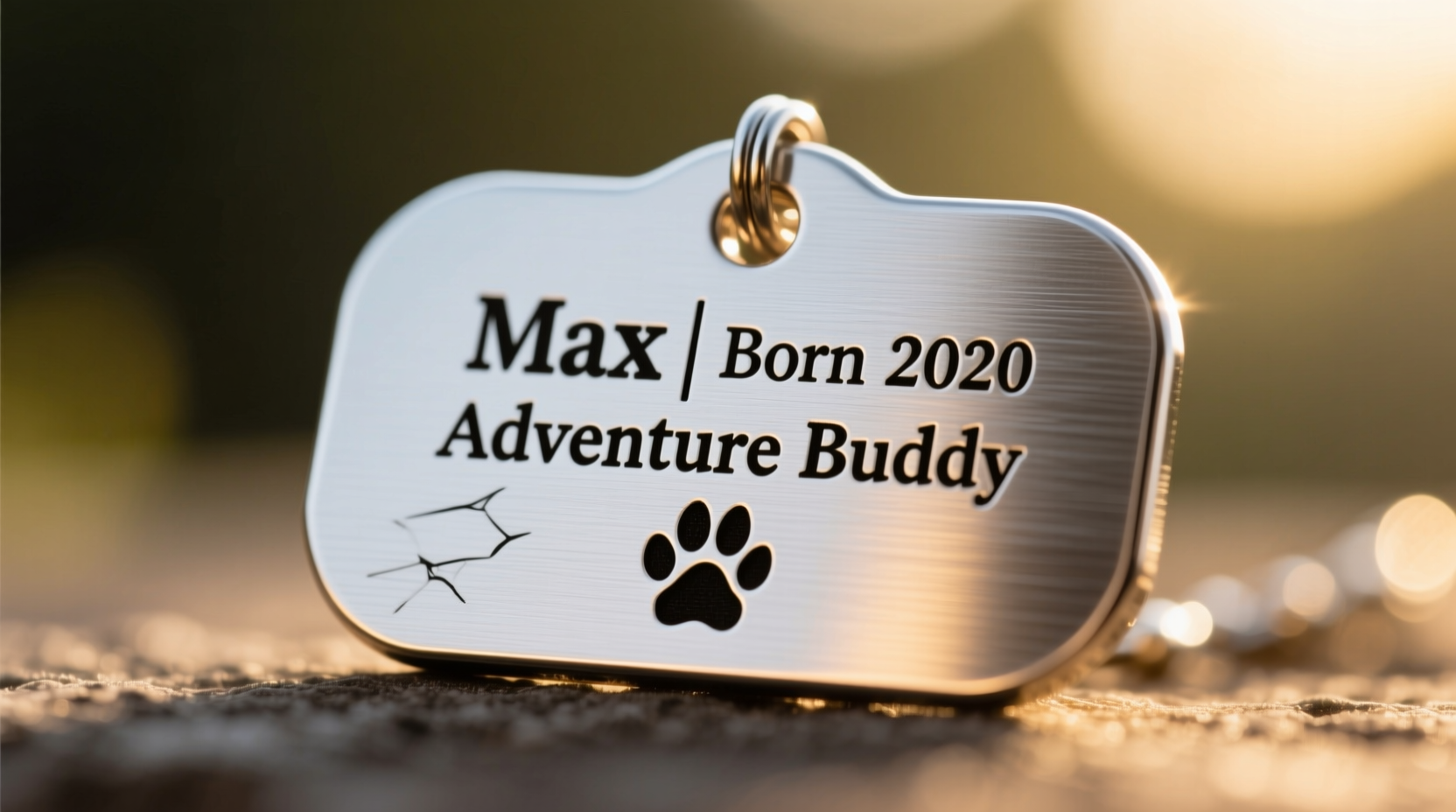
A pet tag isn’t just a backup plan—it’s often the first point of contact between a stranger and your lost companion. While phone numbers and names are essential, adding personalized engravings increases the emotional resonance of the tag, making people more likely to stop and help.
Studies in behavioral psychology suggest that humans respond more empathetically to individuals (including animals) when given identifying cues like names or expressions of care. A tag engraved with “I’m Max, please call Mom at 555-0198” feels more urgent and human than one that simply says “Dog – 555-0198.” The former invites connection; the latter reads like a notice board.
Personalization also helps differentiate your pet in multi-pet households or neighborhoods where similar breeds roam. If two golden retrievers live on the same block, a tag saying “Adventurer & Chicken Nugget Enthusiast” makes identification faster and more memorable.
Tip: Always include at least one emergency contact number on the tag—even if you carry ID yourself. Not everyone will check your phone if your pet wanders off during a walk.Creative Engraving Ideas That Stand Out
The best pet tags balance clarity, durability, and charm. When designing yours, consider layering practical details with expressive touches. Here are several categories of engraving ideas to inspire a standout tag:
- Humorous Taglines: “I’m not lost—I’m exploring.” / “Reward offered in belly rubs.” / “I speak fluent treat.” These lighthearted messages catch attention and make interaction more inviting.
- Character Traits: “Friendly but food-motivated.” / “Loves kids, hates vacuums.” / “Professional napper.” This gives finders insight into behavior, helping them approach safely.
- Pop Culture References: “This way to Hogwarts.” (for a tuxedo cat) or “Wakanda Forever” (for a noble-looking dog). Just ensure the reference is recognizable enough to resonate.
- Emotional Appeals: “Please help me find my family.” / “I get scared easily—call my mom.” These evoke empathy, especially important if your pet is anxious or elderly.
- Multilingual Touches: Bilingual households might engrave “Perdido – Llame a Ana” alongside English. This increases visibility in diverse communities.
Some owners even incorporate coordinates, QR codes linked to digital profiles, or short rhymes: “My name is Luna, I belong to Sara—please call her now, don’t leave me there!” Rhymes stick in memory and can prompt quicker action.
“Personalized tags reduce retrieval time by up to 40% compared to standard ones. A name and a touch of personality trigger human instinct to help.” — Dr. Lena Torres, Animal Behavior Researcher, Urban Pet Safety Institute
Step-by-Step Guide to Designing Your Custom Pet Tag
Creating a distinctive pet tag doesn’t require artistic talent—just thoughtful planning. Follow this sequence to craft an engraving that’s both useful and unforgettable.
- Determine the tag size and material. Smaller pets need compact tags; larger dogs can accommodate bigger designs. Choose durable materials like stainless steel, aluminum, or titanium for longevity.
- List essential information. Start with your pet’s name and at least one phone number. If space allows, add an alternate contact or email.
- Select a tone or theme. Is your pet playful? Elegant? Brave? Match the language to their personality. A dachshund named Pickles might suit “Short legs, big heart,” while a regal Maine Coon could carry “Lord Fluffington III – Return to Castle Home.”
- Draft multiple versions. Write 3–5 options combining utility and flair. Read them aloud to test clarity and impact.
- Edit ruthlessly. Space is limited. Prioritize readability. Avoid overly long phrases or tiny fonts. Use abbreviations wisely: “&” instead of “and,” “Paws” instead of “Please assist with safe return.”
- Choose engraving style. Decide between laser, rotary, or hand engraving. Laser offers precision for small text; rotary provides deeper grooves that last longer.
- Order a test version if possible. Some vendors offer proofs or sample engravings. Review spacing, alignment, and legibility before finalizing.
Material and Engraving Type: What Lasts Longest?
Even the most poetic engraving fails if it fades after six months. Durability depends on both material and engraving method. Below is a comparison of common combinations based on wear resistance, cost, and aesthetic appeal.
| Material | Engraving Type | Lifespan | Best For | Avoid If |
|---|---|---|---|---|
| Stainless Steel | Laser | 5+ years | Active dogs, saltwater exposure | Budget is tight |
| Aluminum | Rotary | 3–4 years | Lightweight needs, cats | Pet chews tags aggressively |
| Titanium | Laser | 7+ years | Allergies, extreme conditions | Cost-sensitive buyers |
| Brass | Hand-engraved | 2–3 years (tarnishes) | Vintage look, decorative use | Outdoor-only pets |
| Plastic/Polymer | Printed (not engraved) | 6–18 months | Temporary tags, puppies | Durability is critical |
Laser engraving generally outperforms printing or stamping because it removes surface material rather than coating it. This means dirt won’t obscure the text, and fading is minimal. Rotary engraving creates deeper grooves, ideal for pets that scratch or chew their collars. Hand engraving offers artisanal charm but may vary in consistency.
Mini Case Study: How a Quirky Tag Helped Reunite Bella the Cat
Bella, a flame-point Siamese from Portland, Oregon, slipped out during a house move and vanished for three days. Her owner, Mark, had recently updated her tag to read: “Hi, I’m Bella. I hate cardboard boxes… unless they’re moving trucks. Call Mark: 503-777-CATS.”
A neighbor spotted her perched on a fence, reciting the rhyme aloud. “That was too cute to ignore,” she later told Mark. “I remembered the ‘CATS’ number instantly.” She called, and Bella was home within hours.
While traditional tags might have listed only “Bella – 503-777-2287,” the playful twist made the information sticky. Local news picked up the story, highlighting how personality-driven messaging improved recovery odds. Veterinarians at the Portland Animal Clinic began recommending creative engravings as part of routine safety talks.
This case underscores a simple truth: memorability saves lives. Humor, rhythm, and specificity transform a passive object into an active tool for reunion.
Checklist: Creating a Standout, Functional Pet Tag
Before placing your order, run through this checklist to ensure your tag is both expressive and effective:
- ✅ Pet’s name clearly visible
- ✅ At least one 10-digit phone number (preferably mobile)
- ✅ Alternate contact or email (if space allows)
- ✅ Personality-infused message (humor, emotion, trait)
- ✅ Durable material suited to pet’s lifestyle
- ✅ Legible font size (minimum 1.5mm height)
- ✅ Engraving depth tested or verified by vendor
- ✅ No sensitive data (e.g., full address, pet’s birthdate)
- ✅ Tested for noise level (avoid jingle tags for anxious pets)
- ✅ Secure attachment (split ring or silicone silencer recommended)
Frequently Asked Questions
Can I include my pet’s medical needs on the tag?
Yes, and you should—if critical. Short phrases like “Diabetic – Needs Insulin” or “On Medication – Call Vet” can be lifesaving in emergencies. First responders and good Samaritans appreciate clear guidance.
How many characters can fit on a standard pet tag?
It depends on size and font, but most 1-inch round tags accommodate 25–35 characters per line (3–4 lines max). Test layouts using online preview tools from retailers like Etsy, Chewy, or TagTamer before ordering.
Are QR code tags better than engraved text?
They can be, but not always. QR codes link to rich digital profiles (photos, vet info, allergies), but they require smartphone access and internet. Never rely solely on a QR code—pair it with engraved basics like name and phone number.
Final Thoughts: Make It Meaningful, Make It Work
A personalized pet tag is more than an accessory—it’s a lifeline wrapped in creativity. When designed thoughtfully, it combines the urgency of emergency contact with the warmth of individuality. In moments of stress, a well-worded tag can spark compassion, aid recognition, and shorten the path home.
The most effective engravings aren’t the flashiest—they’re the ones that balance clarity with character, utility with heart. Whether you choose a pun, a plea, or a poetic line, let it reflect the true nature of your companion. After all, your pet isn’t just any dog or cat. They’re *your* dog, *your* cat—and their tag should tell that story at a glance.
💬 What’s your pet’s tag say? Share your favorite engraving idea or reunion story in the comments—let’s inspire other pet lovers to make tags that truly stand out.








