Every pet owner knows that a collar is more than just a functional accessory—it's an extension of a pet’s personality. Whether your dog struts through the park or your cat prowls around the backyard, their collar speaks volumes about who they are and how much they’re loved. But balancing personal flair with long-term durability isn’t always straightforward. A stylish collar that falls apart after two weeks defeats the purpose. The goal is to create a custom piece that reflects individuality while standing up to daily wear, weather, and the occasional mud puddle.
Personalizing a pet collar doesn’t have to mean sacrificing safety or longevity. With thoughtful material choices, secure embellishments, and smart design decisions, you can craft a collar that’s both eye-catching and built to last. From engraved tags to hand-stitched patterns, customization offers endless possibilities—provided you approach it with care and intention.
Choose the Right Base Material for Longevity
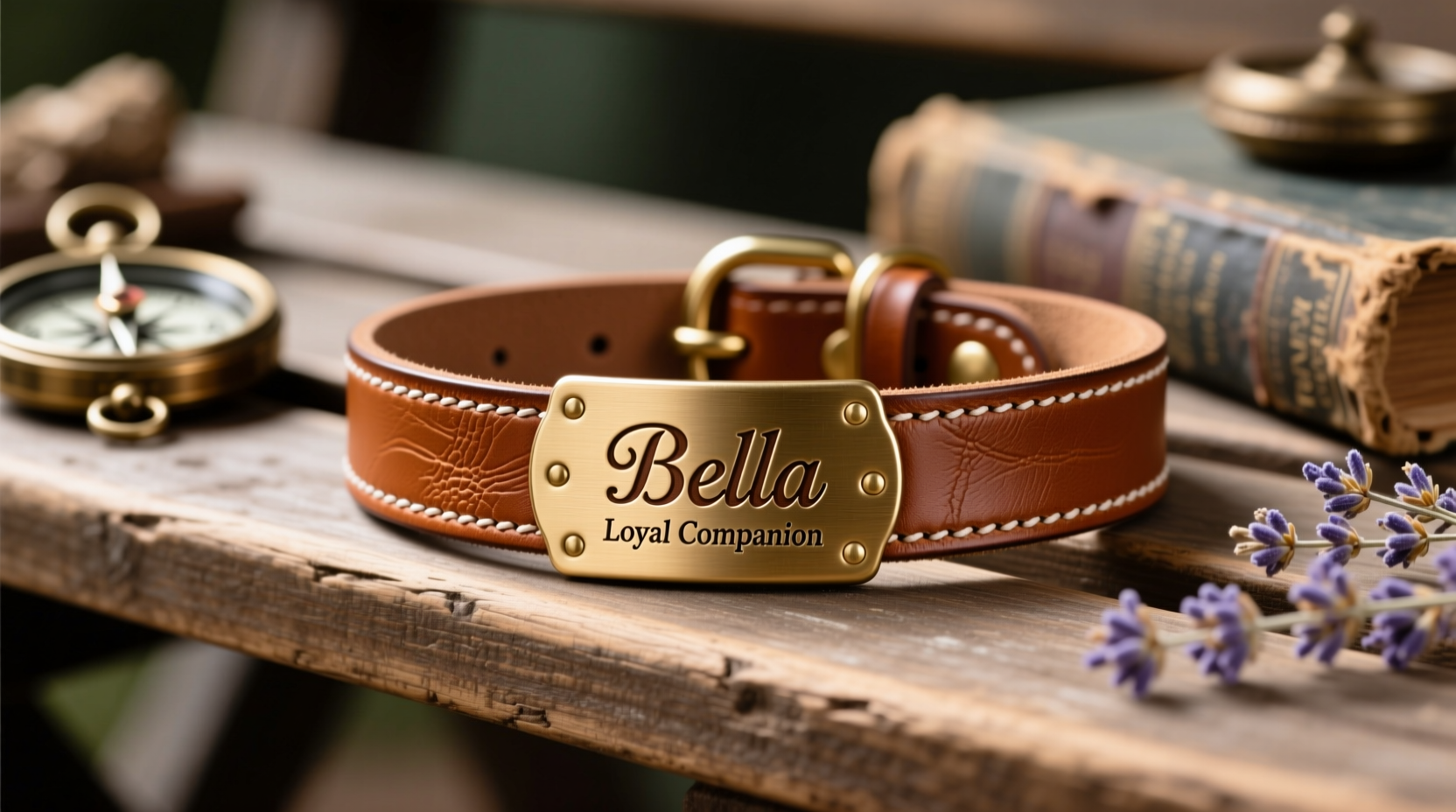
The foundation of any durable personalized collar is the base material. This determines not only how long the collar lasts but also how well it holds up under strain, moisture, and UV exposure. Not all fabrics and hardware are created equal when it comes to pet use.
Nylon webbing remains one of the most popular choices due to its strength, resistance to water, and affordability. It’s lightweight and easy to clean, making it ideal for dogs that swim or play in rain. However, lower-grade nylon may fade or fray over time, especially if exposed to constant sunlight.
Polyester offers similar benefits but often boasts better color retention and slightly higher tensile strength. High-density polyester webbing is commonly used in military and outdoor gear—qualities that translate well to rugged pet collars.
For a more premium feel, leather is a classic option. Full-grain or top-grain leather develops a rich patina over time and resists cracking when properly conditioned. However, genuine leather requires regular maintenance and should be avoided for pets that frequently get wet unless treated for water resistance.
Ribbon-based collars (often seen in cats) can be beautiful but are generally less durable. If opting for ribbon, reinforce it with a strong internal core such as nylon strapping to prevent snapping during sudden pulls.
Tip: Always inspect stitching and hardware attachment points before purchase or finalizing a DIY collar—weak seams are the most common cause of failure.Design Personalization That Stands Out—and Lasts
Once you’ve selected a sturdy base, the next step is adding personalized elements. These range from simple name tags to intricate embroidery, reflective strips, or patterned prints. The key is ensuring these features enhance rather than compromise the collar’s integrity.
Engraved metal tags remain one of the most reliable ways to include identification. Stainless steel or aluminum tags resist rust and fading, and laser engraving ensures legibility for years. Attach them securely using split rings or welded loops—not thin wire clasps that can bend open.
Custom embroidery directly onto the collar adds a seamless, high-end look. When done correctly, stitched designs become part of the fabric’s structure. Use UV-resistant thread and avoid covering large sections of the webbing, which can weaken fiber cohesion. Opt for small logos, names, or paw prints near the buckle rather than full-length embroidery.
Heat-transfer vinyl (HTV) is another popular method, especially for vibrant colors and complex graphics. However, HTV can peel over time, particularly with frequent washing or exposure to heat. To extend its life, apply with a professional heat press (not an iron), and avoid placing it over high-flex zones like the neck curve.
For those who enjoy crafting, woven name tapes inserted into the collar during assembly offer a clean, integrated appearance. These are commonly used in service dog gear and provide excellent durability without added bulk.
“Personalization shouldn’t come at the cost of function. The safest collars integrate ID and style without compromising structural integrity.” — Dr. Laura Simmons, Veterinary Behaviorist & Pet Product Safety Consultant
Step-by-Step Guide to Creating a Custom Collar
Whether you're modifying an existing collar or building one from scratch, following a structured process ensures both aesthetic appeal and mechanical reliability. Here’s a detailed timeline for creating a personalized pet collar that balances style and resilience.
- Select your base: Choose a pre-cut nylon or leather strap in the correct size for your pet. Measure snugly around the neck and add two inches for adjustment.
- Choose personalization method: Decide between embroidery, HTV, metal tags, or woven inserts based on desired look and expected wear.
- Prepare design files: For digital methods (embroidery/HTV), create vector-based artwork at 300 DPI. Keep text legible—minimum 1/4 inch height for names.
- Apply decorative elements: Follow manufacturer guidelines for adhesives, stitching density, or heat settings. Allow ample drying or cooling time.
- Reinforce stress points: Double-stitch around the buckle, D-ring, and any areas where weight will be applied. Use bar tacks or zigzag stitches for extra strength.
- Add hardware: Install a quick-release buckle and sturdy D-ring. Ensure metal components are nickel-free to prevent allergic reactions.
- Test fit and function: Place the collar on your pet and check for comfort, ease of adjustment, and secure closure. Confirm there’s enough room for two fingers beneath.
- Perform durability test: Gently pull on the D-ring and simulate tug pressure. Inspect for thread slippage or delamination.
Dos and Don’ts of Personalized Collar Design
To help avoid common pitfalls, refer to this comparison table outlining best practices versus risky shortcuts.
| Do | Don't |
|---|---|
| Use UV-resistant thread and inks for outdoor durability | Use standard office printer ink or craft glue for decoration |
| Double-stitch all load-bearing areas (buckle, D-ring) | Sew with single-pass stitching on thin thread |
| Attach ID tags with welded split rings | Let tags dangle loosely or use flimsy connectors |
| Include breakaway safety features for cats | Use rigid, non-release buckles on feline collars |
| Test washability before long-term use | Assume all printed designs are waterproof |
| Opt for rounded edges to prevent skin abrasion | Leave raw or frayed cut ends exposed |
Real-World Example: Max the Rescue Dog’s Signature Collar
Max, a three-year-old Australian Shepherd mix adopted from a rural shelter, had a habit of escaping fences and wandering miles from home. His adoptive family wanted a collar that made him easily identifiable but also reflected his energetic spirit. They worked with a local pet artisan to design a custom piece.
The base was heavy-duty 1-inch wide black polyester webbing, chosen for its strength and resistance to dirt. On one side, white-thread embroidery spelled “Max” in bold sans-serif font, with a small red heart beside it. The opposite side featured a reflective stripe woven into the fabric for nighttime visibility.
A stainless steel tag was engraved with his name, the owner’s phone number, and “Adopted & Loved.” Instead of hanging freely, the tag was mounted on a rotating swivel clasp to reduce noise and tangling. The D-ring was reinforced with triple stitching, and the plastic buckle was tested to withstand over 50 pounds of force.
After six months of hiking, swimming, and daily walks, the collar showed minimal wear. The embroidery remained crisp, and no hardware loosened. Neighbors began recognizing Max by his distinctive look, and when he once slipped his leash at a trailhead, a hiker spotted the tag and returned him within hours.
This case illustrates how thoughtful personalization enhances both identity and safety—without compromising performance.
Essential Checklist for Stylish, Durable Collar Creation
- ✅ Accurately measure your pet’s neck for proper fit
- ✅ Select a high-tensile base material (nylon, polyester, or leather)
- ✅ Reinforce stitching at all hardware connection points
- ✅ Include permanent identification (engraved tag or embroidered name)
- ✅ Use non-toxic, pet-safe adhesives and dyes
- ✅ Incorporate reflective elements for low-light visibility
- ✅ Test the buckle mechanism for security and ease of use
- ✅ For cats: ensure the collar has a breakaway safety clasp
- ✅ Wash and dry-test the collar before regular use
- ✅ Inspect monthly for signs of wear, fraying, or hardware damage
Frequently Asked Questions
Can I machine wash a personalized pet collar?
It depends on the materials and customization method. Nylon and polyester collars with stitched or engraved details typically tolerate gentle machine washing in a mesh bag. Avoid bleach and high heat. Collars with glued-on elements (like some HTV or rhinestones) should be hand-washed only. Always air dry flat to preserve shape and adhesion.
How do I make sure the name stays legible over time?
Opt for methods that physically alter or embed the material rather than sit on top. Engraving, embroidery, and woven labels hold up far better than surface printing or stickers. If using printed designs, choose solvent-based inks or protective laminate coatings designed for outdoor use.
Are decorative charms safe for everyday wear?
Only if they’re securely attached and don’t pose a choking hazard. Small charms can detach and be swallowed, or catch on fences and brush. If used, attach them with closed jump rings and limit use to supervised outings. For daily wear, integrated designs (like embroidered names or colored webbing) are safer and more practical.
Final Thoughts: Style Meets Responsibility
Personalizing a pet collar is an act of love—an opportunity to celebrate your companion’s uniqueness while ensuring their safety and comfort. But true craftsmanship lies not just in aesthetics, but in engineering a product that endures. A collar that looks great on day one but fails by week three does your pet no favors.
By combining robust materials, intelligent design, and proven techniques, you can create a collar that turns heads and stands the test of time. Whether you're buying custom-made or crafting one yourself, prioritize function as much as fashion. After all, the best accessories aren’t just seen—they’re trusted.
🚀 Ready to design a collar that captures your pet’s spirit and survives their adventures? Start with a durable base, add meaningful details, and share your creation story with fellow pet lovers in the comments!








