
A bold red lip is timeless. It commands attention, exudes confidence, and elevates even the simplest makeup look. But when paired with neutral eyeshadow, there’s a common concern: will it make your complexion appear dull or washed out? The answer depends on more than just color—it hinges on skin tone, undertones, contrast, and technique. Done right, this combination strikes the perfect balance between drama and elegance. Done wrong, it can flatten your features and drain your glow.
The key isn’t avoiding neutrals altogether but understanding how to harmonize them with your red lipstick while enhancing your natural radiance. This guide breaks down the science and artistry behind the pairing, offering actionable strategies to ensure you look vibrant, not faded.
Understanding Skin Undertones and Lipstick Harmony
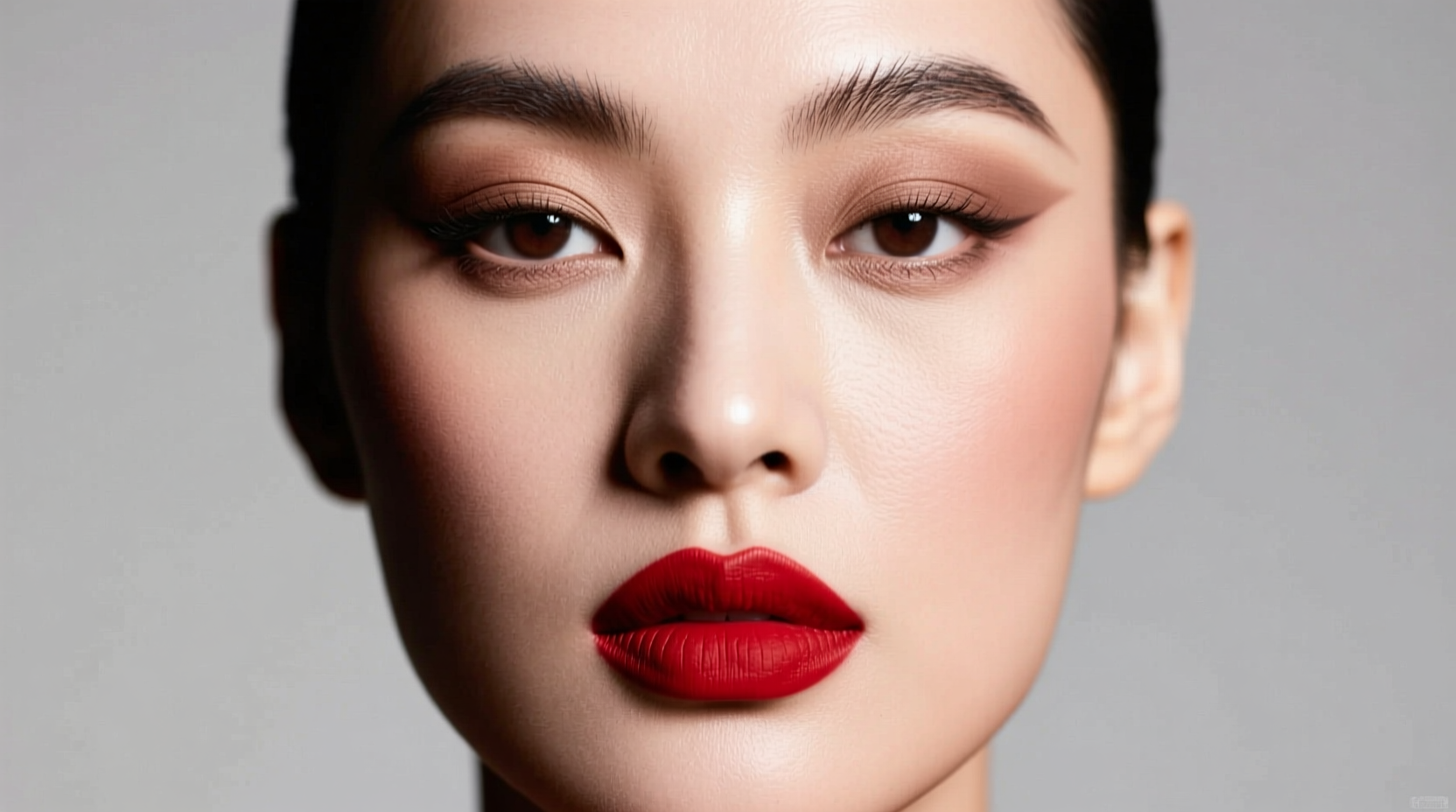
Your skin’s undertone—whether warm, cool, or neutral—plays a pivotal role in how a bold red lipstick interacts with your overall appearance. A red that complements your undertone will brighten your face; one that clashes can make you appear sallow or ashen, especially when combined with low-contrast neutral shadows.
Cool undertones (pink, red, or bluish hues beneath the surface) typically shine with blue-based reds—think cherry or raspberry shades. These create a crisp, clean contrast that lifts the complexion. Warm undertones (yellow, golden, or peachy bases) thrive with orange-red or brick-toned lipsticks, which echo the warmth in your skin and prevent a cold, draining effect.
Neutral undertones have more flexibility but still benefit from intentional selection. A balanced red with both blue and orange undertones—like a true crimson—often works best.
Tip: Test lipstick undertones by comparing silver and gold jewelry. If silver flatters you more, you likely have cool undertones; if gold enhances your glow, you’re probably warm-toned.Choosing the Right Neutral Eyeshadow Palette
“Neutral” doesn’t mean flat or lifeless. In fact, the wrong neutral can mute your features when competing with a strong lip. The goal is to select eyeshadows that add subtle dimension without drawing focus away from your lips—while still supporting your skin’s luminosity.
Warm neutrals like taupes, caramels, and soft bronzes work well for warm and neutral skin tones, adding depth without cooling down the face. Cool neutrals—greiges, soft browns, and muted mauves—are ideal for cool undertones, creating cohesion with blue-based reds.
Avoid overly ashy or chalky mattes, which can cast shadows that dull the skin around the eyes. Instead, opt for finishes with a whisper of satin or shimmer—especially on the lid—to reflect light and keep the eyes awake.
| Skin Undertone | Best Red Lipstick Type | Recommended Neutrals | Finish to Use |
|---|---|---|---|
| Cool | Blue-based red (e.g., cherry, ruby) | Greige, taupe, soft plum | Satin or subtle shimmer |
| Warm | Orange-based red (e.g., tomato, brick) | Caramel, bronze, warm brown | Metallic sheen or cream matte |
| Neutral | True red (balanced undertone) | Beige-brown, rose taupe, sand | Semi-matte with highlight |
Creating Facial Balance Through Contrast and Highlighting
When your lips are the focal point, the rest of your face must provide enough contrast to prevent a flat appearance. This is where strategic highlighting and skin prep come into play.
Start with a flawless base. A slightly dewy or luminous foundation reflects light and counters any potential dullness caused by matte neutrals. Avoid overly matte or ashy foundations, particularly under the eyes, where they can deepen shadows and make the face look tired.
Apply a cream-based blush to the apples of your cheeks in a shade that mimics a natural flush—rosy pink for cool tones, peach for warm, and mauve-pink for neutral. This restores vitality and ensures blood flow appears visible beneath the surface.
Highlighting is non-negotiable. Use a liquid or cream highlighter on the high points of your face: cheekbones, brow bones, inner corners of the eyes, and the cupid’s bow. This amplifies the light around your eyes and lips, making the red pop without requiring dramatic eye makeup.
“A bold lip doesn’t need competition. But it does need support. Think of neutral eyes as the supporting actor—subtle, refined, and enhancing the lead.” — Lila Monroe, Celebrity Makeup Artist
Step-by-Step Application Guide
Follow this sequence to achieve a balanced, radiant finish every time:
- Prep your skin: Cleanse, moisturize, and apply a hydrating primer. Dewy skin reflects light better and resists settling into fine lines.
- Even out your complexion: Use a medium-coverage foundation that matches your skin tone exactly. Blend thoroughly, especially around the jawline and under the eyes.
- Define the eyes subtly: Apply a warm or cool neutral (based on your undertone) across the lid. Use a slightly darker shade in the crease for dimension. Softly blend upward to avoid heaviness.
- Add brightness to the eyes: Line the upper lash line with a brown or gray pencil for soft definition. Curl lashes and apply mascara. Add a touch of champagne shimmer to the inner corners to awaken the gaze.
- Contour and color the cheeks: Sculpt lightly with a matte bronzer if desired, then apply cream blush and highlighter for a healthy glow.
- Perfect the red lip: Exfoliate lips first. Line precisely with a matching lip liner, then fill in with your chosen red. Blot gently and reapply for longevity. Use a small brush to clean up edges for sharpness.
- Set strategically: Use a translucent powder only on the T-zone to control shine. Avoid powdering the cheeks and lips to preserve luminosity.
Avoiding Common Pitfalls
Even experienced wearers can fall into traps that make a red lip and neutral eye combo look unflattering. Here are the most frequent missteps—and how to correct them:
- Using a red that’s too bright for your skin tone: A neon red on pale, cool skin may work, but the same shade on deeper, warm skin can look jarring. Always test reds in natural light.
- Overdoing matte textures: Matte lips with matte eyes and matte skin can flatten facial structure. Introduce at least one reflective element—highlighter, glossy lip topcoat, or shimmery shadow.
- Neglecting the brows: Strong brows anchor a bold lip. If your brows are sparse, define them with powder or pencil to maintain facial symmetry.
- Skipping skincare prep: Dry, flaky lips ruin even the most expensive red. Exfoliate weekly and use a nourishing balm before makeup.
- Ignoring lighting conditions: Office fluorescents can wash out red lips. Carry a blotting paper and a touch-up pen to refresh color and remove excess oil that shifts pigment.
Mini Case Study: Emma’s Evening Look Transformation
Emma, a 34-year-old professional with fair skin and cool undertones, loved wearing red lipstick but often felt “drained” when pairing it with her go-to beige eyeshadow. She avoided the look for events, opting instead for smoky eyes that took too long to apply.
After analyzing her routine, she switched from a flat matte beige to a soft greige with a satin finish. She added a cool-toned rosy blush and applied highlighter along her cheekbones and inner eye corners. She also began using a blue-based red (a classic cherry hue) instead of an orange-red she’d previously favored.
The result? Her skin looked brighter, her eyes more alert, and the red lip appeared more integrated rather than isolated. Colleagues commented on her “glow,” and she received compliments at her next client dinner—all without spending extra time on her routine.
Essential Checklist for a Balanced Red Lip + Neutral Eye Look
Use this checklist before finalizing your makeup:
- ✅ Skin is hydrated and primed for smooth application
- ✅ Foundation matches skin tone and undertone exactly
- ✅ Eyeshadow is a neutral that complements (not fights) your lipstick
- ✅ Eyes have subtle definition—creased, not heavy
- ✅ Cheeks have color and luminosity (blush + highlighter)
- ✅ Lips are exfoliated, lined, and filled precisely
- ✅ Overall finish includes at least one reflective element
- ✅ Final look is checked in natural light
Frequently Asked Questions
Can I wear neutral eyeshadow with red lipstick if I have dark skin?
Absolutely. On deeper complexions, rich neutrals like chocolate, espresso, or warm bronze enhance depth without overshadowing the lip. Pair warm reds (brick, wine) for harmony. Avoid very light, ashy beiges that can create a floating effect.
What if my eyes look tired with neutral shadow and red lips?
This usually means the shadows are too flat or cool for your skin. Try warming up the palette with caramel or copper tones. Add a touch of gold or champagne shimmer on the lid, and ensure your concealer is brightening—not dulling—the under-eye area.
Should I use lip liner with bold red lipstick?
Yes. Lip liner prevents feathering, defines the shape, and creates a barrier that helps the color last longer. Choose a liner that matches your lipstick or is slightly darker for added dimension.
Final Thoughts: Confidence Starts with Balance
Pairing a bold red lipstick with neutral eyeshadow isn’t about minimizing one feature for another—it’s about creating harmony. When your skin glows, your eyes are softly defined, and your lips command attention, the result is powerful yet polished. The secret lies in understanding your unique coloring and using makeup as a tool to enhance, not mask.
You don’t need a full glam routine to feel glamorous. Sometimes, the most striking looks are built on simplicity, precision, and intention. Master this balance, and you’ll have a signature look that works for boardrooms, dates, and everything in between.
🚀 Ready to own the red lip? Try this technique tonight—start with your favorite neutral shadow and a red that makes you feel unstoppable. Share your look or tips in the comments below.








