Handmade pet treats carry more than flavor—they carry intention. When you shape a treat like a reindeer, you’re not just offering nutrition; you’re extending warmth, playfulness, and seasonal joy to the animals who share your home. Unlike mass-produced holiday chews laden with artificial colors or preservatives, reindeer-shaped treats made at home let you control every ingredient, tailor textures to your pet’s age and dental health, and create a meaningful, personalized gift for fellow pet lovers. This isn’t about novelty alone. It’s about aligning festive tradition with responsible care—ensuring that every antlered silhouette is as safe as it is charming.
Why Reinforced Shapes Matter: Safety, Palatability, and Practicality
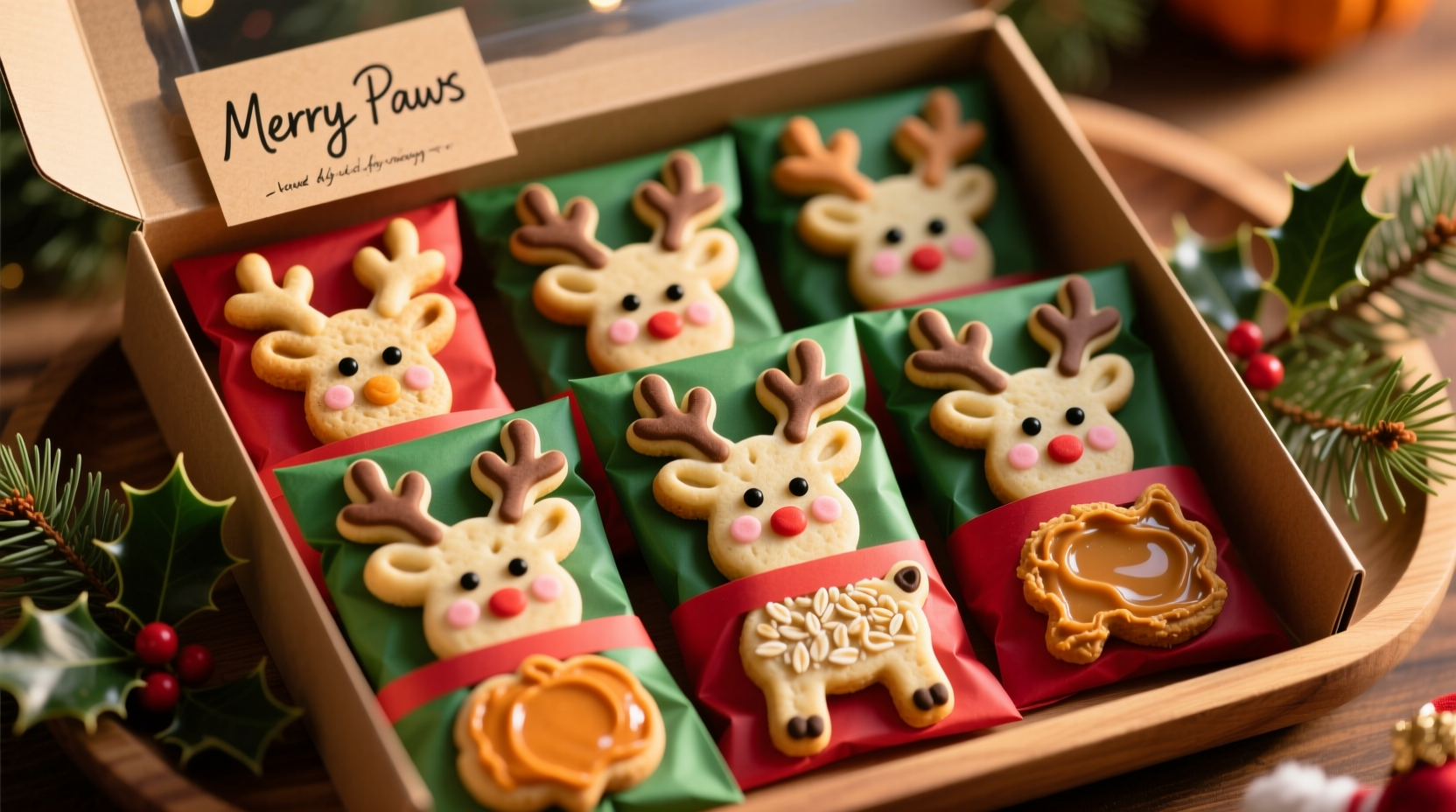
Reindeer shapes—characterized by rounded heads, distinct ears, and prominent antlers—are more than whimsical. Their design supports functional feeding: the ears provide grip for small mouths, the head offers a satisfying chew surface, and the antlers (when sized appropriately) encourage natural gnawing behavior that helps gently massage gums. Veterinarians emphasize that treat shape influences both safety and engagement. “A well-designed treat shape reduces choking risk while increasing oral stimulation—especially valuable for senior pets or those recovering from dental procedures,” explains Dr. Lena Torres, DVM and clinical nutrition consultant at the Midwest Companion Animal Wellness Center. “What looks like decoration often serves biomechanical purpose.”
That said, shape must never compromise safety. Antlers should be no longer than 1.5 inches for small dogs and cats, and fully integrated—not protruding like brittle sticks. Rounded edges prevent gum abrasion, and uniform thickness ensures even drying and consistent texture. These details separate thoughtful holiday treats from decorative novelties that sit unused on a shelf.
Vet-Approved Ingredient Framework: What Belongs—and What Doesn’t
Homemade pet treats require strict adherence to species-specific nutritional boundaries. Dogs and cats have vastly different metabolic needs: cats are obligate carnivores requiring taurine and preformed vitamin A, while dogs tolerate broader carbohydrate sources but remain highly sensitive to certain spices and sweeteners. The following framework reflects current AAFCO (Association of American Feed Control Officials) guidelines and clinical consensus.
| Ingredient Category | Safe & Recommended Options | Avoid Absolutely |
|---|---|---|
| Protein Base | Unsalted chicken breast, lean ground turkey, cooked salmon (boneless), plain canned pumpkin (not pie filling), unsweetened applesauce | Grapes, raisins, onions, garlic, xylitol-containing products, raw pork, processed deli meats |
| Binders & Thickeners | Oat flour (gluten-free certified), mashed sweet potato, flaxseed meal (ground fresh), psyllium husk powder | Wheat flour (for gluten-sensitive pets), corn syrup, carrageenan, artificial gums (e.g., xanthan in excess) |
| Flavor Enhancers | Fresh parsley (for breath), dried dill, turmeric (¼ tsp per batch), blueberry powder (antioxidant-rich) | Cinnamon (in >½ tsp/batch), nutmeg, cloves, chocolate, coffee, alcohol-based extracts |
| Colorants (Natural Only) | Beetroot powder (pink-red), spinach powder (green), activated charcoal (black—use sparingly, consult vet first), turmeric (golden-yellow) | Synthetic food dyes (Red #40, Blue #1, etc.), neon gels, glitter, metallic dusts |
Crucially, all treats should contain ≤10% fat by weight and zero added salt or sugar. Even “natural” sweeteners like honey or maple syrup elevate glycemic load unnecessarily and increase caries risk in dogs with existing dental disease. For cats, omit all fruit-based ingredients entirely—applesauce and pumpkin must be replaced with lean meat purees or bone broth reduction.
Tip: Always introduce new treats gradually—start with one small reindeer per day for three days, monitoring stool consistency, energy level, and skin condition. Discontinue immediately if vomiting, itching, or lethargy occurs.The 7-Step Reindeer Mold Method (No Special Equipment Required)
You don’t need silicone reindeer molds to achieve clean, recognizable shapes. With pantry staples and precise technique, you can imprint consistent forms using household tools. This method prioritizes accessibility without sacrificing presentation.
- Prepare Your Dough: Combine 1 cup finely shredded protein (e.g., boiled chicken, cooled and minced), ½ cup oat flour, ¼ cup mashed sweet potato, and 1 tbsp flaxseed meal mixed with 3 tbsp warm water. Knead until pliable but not sticky—add flour 1 tsp at a time if too wet.
- Chill for Structure: Wrap dough in parchment and refrigerate 20 minutes. Cold dough holds detail better and resists smudging during shaping.
- Roll & Cut: On a lightly floured surface, roll dough to ¼-inch thickness. Use a 2.5-inch round cookie cutter for the head. Gently press a ¾-inch round cutter into the top center for the snout indentation.
- Form Ears: Cut two 1-inch ovals from leftover dough. Place them symmetrically above the snout line, pressing edges firmly to adhere. No egg wash needed—moisture from dough creates natural bonding.
- Create Antlers: Roll two 3-inch ropes (¼-inch thick). Twist each gently, then bend into soft “Y” shapes. Press bases firmly into the top edge of the head where ears meet. Trim ends evenly.
- Add Detail: Use a toothpick to etch two shallow dots for eyes and a tiny “U” for the mouth. For color contrast, dab beetroot powder slurry (1 tsp powder + 1 tsp water) onto antlers only—let dry 2 minutes before baking.
- Bake or Dehydrate: For crisp treats: bake at 225°F (107°C) for 2 hours, flipping halfway. For chewy treats: dehydrate at 145°F (63°C) for 6–8 hours until leathery but pliable.
This method yields approximately 12–14 reindeer per batch. Yield varies based on dough moisture and rolling thickness—always weigh final treats if gifting to pets with calorie-restricted diets (e.g., post-surgery or weight-loss plans).
Real-World Example: How Maya Transformed Her Holiday Routine for Luna, a 12-Year-Old Blind Terrier Mix
Maya of Portland, Oregon, began making reindeer treats after her veterinarian recommended reducing commercial treats due to Luna’s early-stage kidney disease. Standard liver-based chews contained phosphorus levels exceeding Luna’s daily limit, and store-bought “low-phos” alternatives lacked palatability. Using this reindeer method, Maya substituted chicken breast (naturally low in phosphorus) and omitted all added minerals. She added a pinch of dried dill for aroma—Luna, who navigates primarily by scent, now eagerly seeks out the treats by their herbal fragrance alone.
“She doesn’t see the antlers, but she feels them—the slight ridge gives her jaw extra feedback,” Maya shares. “And because I control the size, she gets exactly 25 calories per reindeer—no guesswork. Last December, I gifted small kraft boxes of six treats to five neighbors, each labeled with ingredient lists and feeding instructions. One neighbor’s diabetic cat even started eating them consistently—something he’d refused for months.”
Maya’s experience underscores a quiet truth: holiday treats become powerful tools for inclusive care when shaped with empathy—not just aesthetics.
Gift-Worthy Packaging & Storage: Preserving Freshness and Intention
A beautifully shaped treat loses impact if stored improperly. Moisture, light, and oxygen degrade nutrients and invite mold—even in refrigerated conditions. The right packaging honors both safety and sentiment.
- Short-Term (Up to 5 Days): Store in airtight glass jars lined with unbleached parchment. Keep in a cool, dark cupboard—not the fridge, which introduces condensation.
- Medium-Term (Up to 3 Weeks): Vacuum-seal batches with oxygen absorbers (food-grade, 300cc units). Label with date, protein source, and notes like “cat-safe” or “grain-free.”
- Gifting Presentation: Use matte-finish kraft boxes tied with jute twine and a handwritten tag listing ingredients, calorie count per treat, and a feeding note (“Feed 1 reindeer daily as a supplement—not a meal replacement”). Include a QR code linking to your full recipe and vet consultation disclaimer.
Never use plastic bags unless vacuum-sealed—standard zip-top bags permit micro-oxygen transfer, accelerating rancidity in fats. And avoid decorative tins: metal reacts with acidic ingredients (like pumpkin or apple), potentially leaching trace elements.
FAQ: Addressing Common Concerns
Can I make these for cats—and how do I adapt the recipe?
Yes—but cats require higher protein density and zero carbohydrates beyond minimal binders. Replace sweet potato with ¼ cup strained chicken broth reduction (simmered until thickened), omit oat flour entirely, and use only meat-based binders like 1 tbsp gelatin dissolved in 2 tbsp warm broth. Shape antlers smaller (½ inch max) and bake at 200°F (93°C) for 2.5 hours to ensure thorough dehydration. Never add fruits, herbs like parsley (which contains mild toxins for cats), or pumpkin.
My dog has severe food allergies. How do I verify ingredient safety?
Start with an elimination trial: prepare a single-treat batch using only one novel protein (e.g., rabbit) and one binder (e.g., psyllium). Feed exclusively for 8 weeks while documenting symptoms. Cross-reference each ingredient against the ASPCA’s Toxic and Non-Toxic Plants List and the FDA’s Alert Database for pet food contaminants. When in doubt, submit a sample to a veterinary diagnostic lab for allergen panel testing—some clinics offer affordable IgE screening for common proteins like chicken, beef, and eggs.
How long do these treats last—and how do I know if they’ve spoiled?
Properly dehydrated reindeer treats last 3–4 weeks at room temperature in vacuum-sealed packaging, or up to 3 months frozen. Signs of spoilage include off-odor (sour, ammonia-like, or fermented), visible mold (even faint fuzz), or surface tackiness. Discard immediately if any appear—even if within the “best by” window. Never taste-test for spoilage; pets’ tolerance for microbial toxins differs significantly from humans’.
“Homemade treats aren’t inherently safer—they’re safer only when prepared with veterinary nutritional guidance, rigorous hygiene, and species-specific formulation. A reindeer shape doesn’t override biochemistry.” — Dr. Arjun Mehta, DACVN, Board-Certified Veterinary Nutritionist, University of Tennessee College of Veterinary Medicine
Conclusion: Where Craft Meets Compassion
Creating reindeer-shaped pet treats is an act of quiet devotion—one that asks you to slow down, measure thoughtfully, and prioritize wellness over whimsy. It’s choosing beetroot over red dye, flax over filler, and time over convenience. Each reindeer you shape becomes a tactile expression of care: a reminder that the animals in our lives deserve celebration rooted in science, not spectacle. They don’t need glitter to feel cherished. They need consistency, clarity, and calm attention—the very qualities embedded in every step of this process.
This holiday season, skip the impulse buy. Instead, gather your mixing bowl, your toothpick, and your intention. Make one batch—not for perfection, but for presence. Share it not as a prop, but as proof: that love, when shaped with knowledge and tenderness, wears antlers well.
💬 Share your reindeer story. Did you adapt the recipe for a senior pet? Gift a box to a shelter? Snap a photo of your first batch (no filter needed)—and tell us what shaped your decision to go homemade. Your experience might be the nudge another pet parent needs to begin.








