As temperatures rise or your dog seeks a refreshing snack, frozen treats can be a delightful way to cool them down and show affection. But not all frozen snacks are safe—many store-bought options contain artificial sweeteners, sugar, or ingredients toxic to dogs, like xylitol or chocolate. The solution? Make your own at home. With the right knowledge and simple ingredients, you can create delicious, nutritious frozen treats tailored to your dog’s dietary needs and preferences—all while ensuring their safety.
Homemade frozen treats offer full control over what goes into your dog’s food. You can avoid harmful additives, accommodate allergies, and even support specific health goals like digestion or joint health. More importantly, they’re easy to prepare, cost-effective, and often loved by dogs more than commercial alternatives.
Why Homemade Is Better (And Safer)
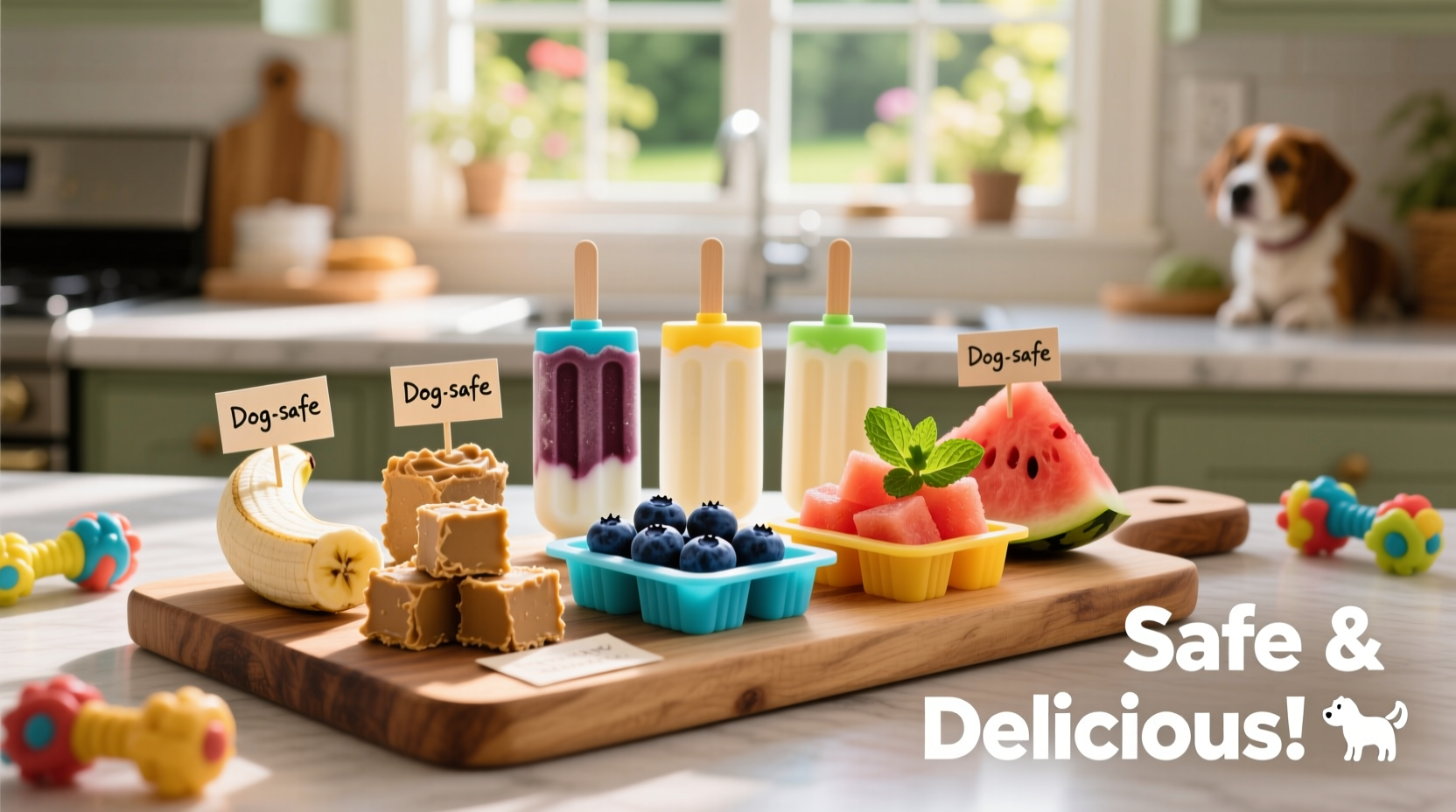
Commercial dog treats may seem convenient, but many contain preservatives, fillers, or sweeteners that aren’t ideal for canine health. In contrast, homemade frozen treats use whole, natural ingredients you recognize. This transparency reduces the risk of adverse reactions and supports long-term wellness.
Dogs have different nutritional needs and sensitivities than humans. For example, while yogurt might soothe one dog’s stomach, it could cause diarrhea in another due to lactose intolerance. By preparing treats yourself, you can customize based on your pet’s tolerance and veterinarian recommendations.
“Homemade frozen treats allow pet owners to eliminate unknowns in their dog’s diet. When made correctly, they’re not just safe—they’re functional nutrition.” — Dr. Rebecca Langley, DVM, Canine Nutrition SpecialistTip: Always introduce new treats in small amounts to monitor for digestive upset or allergic reactions.
Safe Ingredients vs. Dangerous Additives
The foundation of any safe frozen treat is knowing which ingredients are appropriate and which must be avoided. Below is a clear guide to help you make informed choices.
| Safe Ingredients | Dangerous Ingredients |
|---|---|
| Fruits: Blueberries, bananas, strawberries, watermelon (seedless), apples (cored) | Xylitol: Found in sugar-free gums, peanut butter, and some yogurts—highly toxic |
| Vegetables: Carrots, cucumbers, pumpkin (unsweetened) | Chocolate: Contains theobromine, which is fatal in high doses |
| Proteins: Plain cooked chicken, unsalted peanut butter (xylitol-free), plain Greek yogurt (if tolerated) | Grapes/Raisins: Cause acute kidney failure |
| Liquids: Water, low-sodium broth, coconut water (unsweetened) | Caffeine: Found in coffee, tea, energy drinks |
| Herbs: Parsley, mint (in moderation) | Alcohol: Any form is dangerous |
When in doubt, consult your veterinarian before introducing a new ingredient. Some seemingly harmless foods—like onions or garlic—can cause hemolytic anemia in dogs even in small quantities.
Step-by-Step Guide to Making Frozen Treats
Creating frozen treats doesn’t require special equipment or culinary skills. Follow this straightforward process to make safe, enjoyable snacks your dog will love.
- Choose Your Base: Start with a liquid base such as water, unsalted bone broth, or coconut water. For creamier textures, use plain yogurt or pureed fruit.
- Select Add-Ins: Mix in dog-safe fruits, vegetables, or proteins. Avoid seeds, pits, and skins that could pose choking hazards.
- Blend (If Needed): For smooth popsicles or cubes, blend ingredients until uniform. For chunkier treats, mix gently by hand.
- Pour Into Molds: Use silicone ice cube trays, muffin tins, or specialized dog treat molds. Small shapes prevent choking; larger ones work for slow melting.
- Freeze Thoroughly: Place in the freezer for at least 4–6 hours, preferably overnight.
- Store Properly: Keep treats in an airtight container or resealable bag labeled “Dog Food” to avoid cross-contamination.
- Thaw Slightly Before Serving (Optional): Especially for senior dogs or those with dental issues, letting the treat soften slightly prevents tooth strain.
Recipe Ideas to Try at Home
Here are three vet-approved recipes suitable for most healthy dogs. Adjust portions based on your dog’s size—small breeds should receive only 1–2 cubes, while large breeds can enjoy up to four.
1. Peanut Butter Banana Bites
- 2 ripe bananas
- ¼ cup unsalted, xylitol-free peanut butter
- ½ cup plain Greek yogurt (optional, omit if lactose intolerant)
- 1/4 cup water or low-sodium broth
Blend until smooth, pour into molds, and freeze. Rich in potassium and protein, these are ideal post-walk rewards.
2. Berry & Yogurt Pops
- 1 cup blueberries or strawberries
- ¾ cup plain yogurt
- 2 tablespoons honey (optional, for dogs without diabetes or obesity)
Mix gently to avoid crushing berries. These colorful treats support antioxidants and gut health.
3. Chicken & Pumpkin Chews
- ½ cup plain canned pumpkin (not pie filling)
- ¼ cup finely shredded boiled chicken
- 3 tablespoons low-sodium chicken broth
Perfect for dogs with sensitive stomachs. Pumpkin aids digestion, while chicken provides lean protein.
Real Example: Helping Max Stay Cool and Healthy
Max, a 7-year-old Golden Retriever from Austin, Texas, struggled with overheating during summer hikes. His owner, Sarah, noticed he’d refuse water after walks and showed signs of fatigue. Concerned, she consulted her vet, who suggested hydration-focused treats instead of dry snacks.
Sarah began making frozen bone broth cubes using low-sodium chicken broth and adding pureed carrots for nutrients. She gave Max two cubes after each walk. Within a week, he drank more water voluntarily and recovered faster. “It was like flipping a switch,” Sarah said. “He looks forward to them, and I feel confident they’re helping—not hurting.”
This case illustrates how targeted homemade treats can address real health concerns beyond mere indulgence.
Checklist for Safe Preparation
Before you start mixing ingredients, go through this checklist to ensure every batch is safe and beneficial:
- ✅ Confirm all ingredients are non-toxic to dogs
- ✅ Check peanut butter labels for xylitol
- ✅ Wash all fruits and vegetables thoroughly
- ✅ Remove seeds, cores, and peels from produce
- ✅ Use separate utensils and containers for pet food
- ✅ Label frozen batches with date and contents
- ✅ Introduce new recipes one at a time to monitor reactions
- ✅ Limit treats to no more than 10% of daily caloric intake
Frequently Asked Questions
Can I use regular yogurt instead of Greek yogurt?
Yes, but Greek yogurt is preferred because it has higher protein and lower lactose content. If your dog tolerates dairy well, either type works—but always choose plain, unsweetened varieties.
How long do homemade frozen treats last?
When stored in an airtight container, they can last up to 3 months in the freezer. However, for best quality and nutrient retention, use within 6 weeks. Discard any treat that develops ice crystals or off smells.
Are frozen treats safe for puppies or senior dogs?
Generally yes, but adjust texture and portion size. Puppies may need softer, smaller treats to avoid jaw strain. Senior dogs with dental issues should be given partially thawed treats to prevent discomfort. Always consult your vet before introducing new foods to young or elderly pets.
Final Tips for Long-Term Success
Consistency and caution are key when incorporating homemade frozen treats into your dog’s routine. Rotate flavors weekly to keep things interesting and provide a range of nutrients. Consider seasonal variations—watermelon-based treats in summer, pumpkin-spice blends (without actual spice) in fall.
Keep a log of recipes and your dog’s response—this helps identify favorites and flag potential sensitivities. And remember: treats, even healthy ones, are supplements, not meal replacements.
“The best treat is one that strengthens the bond between pet and owner while supporting the dog’s health. Homemade allows both.” — Dr. Alan Torres, Veterinary Behaviorist
Conclusion: Treat Your Dog Right—From Your Freezer
Making homemade frozen treats for dogs isn’t just a fun kitchen project—it’s an act of care. With minimal effort, you can offer your dog something far better than anything packaged: a treat made with love, transparency, and attention to their unique needs. Whether you're cooling down a panting pup on a hot day or rewarding good behavior, these simple recipes deliver joy and peace of mind.
Start today with one basic recipe. Observe your dog’s reaction. Refine, experiment, and expand your repertoire. Your dog doesn’t need gourmet flair—just safe, wholesome ingredients served with affection.
💬 Have a favorite dog-friendly recipe or success story? Share it in the comments and inspire fellow pet lovers to make safer, smarter treats at home!








