
For many pet owners, the holiday season isn’t just about family traditions and festive lights—it’s also an opportunity to include their furry companions in the joy. A growing trend among animal lovers is the creation of personalized advent calendars filled not with chocolates or trinkets, but with toys, treats, and tiny surprises tailored to dogs, cats, birds, or even rabbits. Crafting a DIY advent calendar for your pet doesn't require expert crafting skills or expensive materials. With a little creativity and thoughtful planning, you can build a countdown experience that delights both you and your four-legged (or feathered) friend.
Beyond the fun factor, a pet-themed advent calendar encourages bonding, mental stimulation, and positive reinforcement through scheduled rewards. Whether you're making one for your own pet or gifting it to another pet lover, this project combines practicality with heartfelt sentiment. From choosing safe materials to curating daily items that align with your pet’s preferences and dietary needs, every step contributes to a meaningful holiday tradition.
Why a pet advent calendar matters
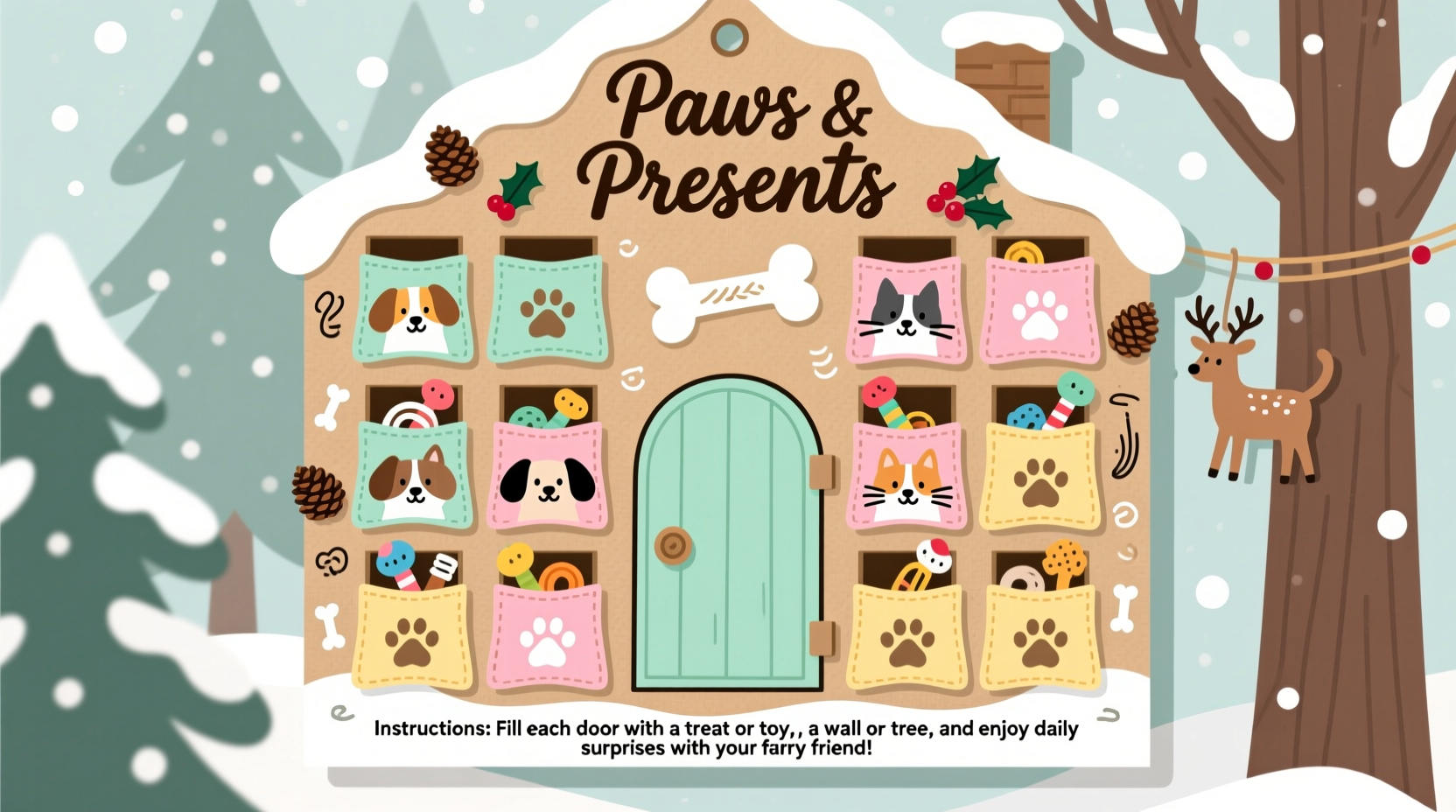
Pets thrive on routine, but they also benefit from novelty and enrichment. Introducing a new activity like a 24-day countdown taps into their curiosity and anticipation. Unlike traditional calendars meant only for humans, a pet-focused version acknowledges the role animals play in modern households—as cherished members of the family.
A well-designed advent calendar can serve multiple purposes: it can help manage treat intake by spacing them out over time, introduce new toys gradually to prevent overwhelm, and even support training goals. For example, hiding a puzzle toy behind day 12 might coincide with practicing problem-solving skills after the initial holiday excitement has settled.
“Enrichment doesn’t have to be complicated. Small, consistent moments of engagement—like opening a surprise door each morning—can significantly improve a pet’s emotional well-being.” — Dr. Lena Torres, Veterinary Behavior Specialist
Additionally, creating a DIY version allows full control over ingredients and materials. You can avoid allergens, skip plastic-heavy commercial products, and incorporate homemade treats or upcycled containers. This level of customization ensures safety while reflecting your pet’s unique personality.
Step-by-step guide to building your calendar
Constructing a functional and attractive advent calendar takes careful planning. Follow this timeline to complete your project within two weekends, leaving plenty of time before December 1st.
- Week 1: Plan & Gather Supplies (7–10 days before start)
- Determine your pet’s preferences: chew toys, plushies, dental chews, freeze-dried snacks, etc.
- Sketch a basic design: pockets, boxes, fabric pouches, or paper envelopes?
- Make a shopping list based on chosen format.
- Day Before Build: Prepare Components
- Cut fabric or paper if needed.
- Label doors or compartments with numbers 1–24.
- Pre-fill non-perishable items like toys.
- Build Day: Assemble Structure
- Sew, glue, or staple individual units onto a backing board or ribbon line.
- Ensure all closures are secure but accessible—pets may try to peek early!
- Add decorative elements like pet-safe ribbons or themed tags.
- Final 48 Hours: Load Perishables
- Add fresh-baked treats, refrigerated snacks, or time-sensitive items.
- Double-check portion sizes to avoid digestive upset.
Materials and filling ideas by pet type
Not all pets enjoy the same types of rewards. Tailoring the contents to your animal’s species, size, and health conditions is essential for safety and enjoyment. Below is a breakdown of suitable options across common household pets.
| Pet Type | Toy Ideas | Treat Suggestions | Avoid |
|---|---|---|---|
| Dogs | Mini rope knots, squeaky plush mice, crinkle balls | Peanut butter oat bites, liver cubes, dental sticks | Xylitol, grapes, excessive fat |
| Cats | Felt mice, feather wands, crinkle tunnels | Tuna flakes, freeze-dried chicken, catnip sprays | Onions, garlic, raw dough |
| Rabbits | Paper tubes, willow balls, cardboard puzzles | Timothy hay cubes, rosehips, dried herbs | Wheat, sugar, processed foods |
| Birds | Ladder perches, shredded paper nests, bell toys | Millet sprays, chopped nuts, cooked quinoa | Avocado, chocolate, Teflon fumes |
| Small Mammals (Guinea pigs, hamsters) |
Cardboard mazes, wooden chew blocks | Veggie chips, hay-based treats, dandelion leaves | Citrus, seeds with pits, salty snacks |
When selecting toys, prioritize durability and non-toxic materials. Avoid anything with small detachable parts that could be swallowed. For treats, consider making batches ahead of time and freezing them in labeled portions. Homemade peanut butter banana dog biscuits or dehydrated salmon strips for cats can be made in bulk and thawed as needed.
Real-life inspiration: Emma’s cat calendar success story
Emma Reed, a graphic designer from Portland, started making advent calendars for her two rescue cats three years ago after adopting Luna, a shy tabby who struggled with anxiety during loud holiday gatherings. “I wanted something calming yet engaging,” she said. “Luna gets overwhelmed easily, so I designed a quiet countdown focused on scent and texture rather than noise.”
Her solution was a felt wall hanging with 24 soft pouches, each containing different sensory experiences: catnip-infused wool balls, silver vine sticks, lavender-scented pads, and tiny bells wrapped in cotton. She paired each item with a handwritten note explaining its purpose—like “Day 7: Calming Chamomile Stick – for cozy naps.”
The impact surprised her. “By mid-December, Luna began waiting by the calendar every morning. It gave her a sense of predictability amid the chaos. Now it's our favorite ritual.” Emma now shares printable templates online, helping other anxious-pet owners create low-stress versions of the tradition.
Checklist: Building your safe, joyful pet advent calendar
- ✅ Identify your pet’s favorite flavors, textures, and play styles
- ✅ Choose a reusable or eco-friendly structure (fabric, wood, recycled paper)
- ✅ Confirm all treats are vet-approved and free from harmful ingredients
- ✅ Test toy safety: no loose strings, breakable parts, or choking hazards
- ✅ Number each compartment clearly from 1 to 24
- ✅ Include a mix of high-value and low-key days (e.g., one big toy, 23 small joys)
- ✅ Store the calendar out of reach when unattended to prevent early openings
- ✅ Take photos throughout December to document reactions and refine next year’s version
Frequently asked questions
Can I use store-bought advent calendars and refill them?
Absolutely. Many pet owners repurpose empty human calendars by replacing chocolates with appropriate items. Just ensure the packaging isn’t tempting to chew—remove foil wrappers and plastic inserts. Some prefer using empty chocolate trays as organizers inside larger boxes, allowing visual appeal without ingestion risks.
What if my pet has food allergies or medical restrictions?
Customization is key. Focus more on interactive toys, grooming wipes, or short training session vouchers (“Redeem for 5 minutes of belly rubs!”). For diabetic pets, use single kibble pieces or approved supplement drops. Always consult your veterinarian before introducing new foods, especially for pets with kidney disease, pancreatitis, or obesity.
How do I keep my pet from tearing open all the doors at once?
Position the calendar in a controlled space—such as a closed-off corner of the living room—and supervise initial interactions. You can also stagger access: open the first three days together, then lock it away until the next morning. Alternatively, use magnetic flaps or childproof latches that require human hands to open.
Design variations to inspire your creativity
While classic pocket-style calendars are popular, there are countless ways to personalize the format. Consider these alternatives:
- The Puzzle Tree: Hang numbered wooden shapes from a small artificial tree. Each piece reveals a clue leading to a hidden treat elsewhere in the house.
- The Training Ladder: Assign each day a simple trick review (sit, paw, spin). Completing the task unlocks the reward behind that day’s door.
- The Donation Countdown: For socially conscious pet owners, pair each day with a charitable act—donate a toy on day 10, share a rescue post on social media on day 15. The pet still gets a small gift, but the focus expands beyond consumption.
- The Memory Calendar: Fill compartments with printed photos of past adventures (“Remember hiking Mount Hood?”), paired with a matching treat flavor from that trip.
For multi-pet households, consider dual calendars side-by-side with color-coded sections. Or create a shared “family” calendar where humans and pets alternate days, fostering inclusivity without competition.
Conclusion: Start a tradition that strengthens your bond
Creating a DIY advent calendar for your pet is more than a craft project—it’s an invitation to deepen connection, celebrate individuality, and bring structured joy into the busiest time of year. Every compartment becomes a moment of attention, a pause in the holiday rush to say, “You matter too.”
Unlike mass-produced gifts, this gesture carries intention. It reflects knowledge of your pet’s likes, respect for their well-being, and commitment to making them part of seasonal rituals. And because most designs are reusable, you can refine it year after year—adding new treats, rotating toys, or involving children in the preparation process.
💬 Ready to make this December unforgettable for your pet? Gather your supplies this weekend and tag us in your progress photos. Share your favorite treat recipe or toy idea—we’d love to feature real pet stories next season!








