Birdwatching is a peaceful and rewarding pastime, but it can quickly become frustrating when squirrels turn your carefully stocked bird feeders into all-you-can-eat buffets. These agile rodents are clever, persistent, and remarkably good at accessing food sources—even those designed for birds. While it's tempting to resort to harsh measures, there are numerous humane and effective strategies to deter squirrels without causing them harm. By understanding squirrel behavior and using the right tools and techniques, you can protect your birdseed, support local bird populations, and coexist peacefully with these backyard acrobats.
Understanding Squirrel Behavior Around Feeders
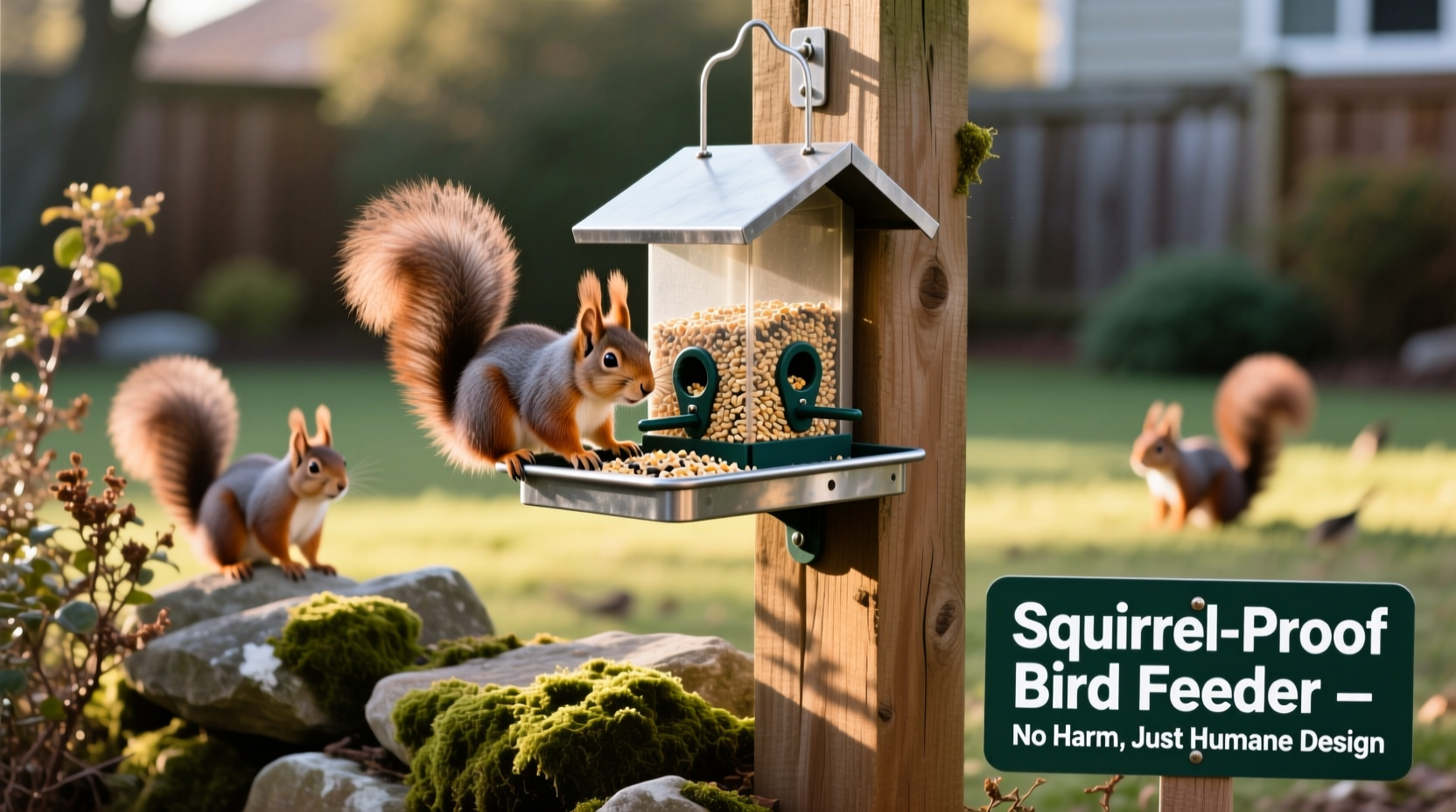
Squirrels are natural foragers with excellent spatial memory and problem-solving skills. They’re drawn to bird feeders because they offer a concentrated, easily accessible food source—especially in winter when natural foods like nuts and seeds are scarce. Once a squirrel discovers a feeder, it will return repeatedly and may even recruit others. Their ability to leap up to 10 feet horizontally and drop from heights makes traditional mounting ineffective unless properly addressed.
It’s important to remember that squirrels aren’t malicious—they’re simply acting on instinct. Many people view them as pests, but they play an ecological role by dispersing seeds and serving as prey for predators. The goal isn't eradication, but rather redirection. Humane deterrents focus on making feeders less accessible or less appealing while ensuring squirrels can still find food elsewhere in their environment.
Tip: Place squirrel feeders or corn cobs at the opposite end of your yard to divert attention from bird feeders.Effective Physical Barriers and Feeder Designs
The most reliable way to prevent squirrel access is through physical exclusion. This means using feeders and mounting systems that exploit the limitations of squirrel anatomy and movement. Unlike birds, squirrels cannot cling to smooth metal surfaces or balance on unstable perches under weight.
Squirrel-Proof Bird Feeders
True squirrel-proof feeders use mechanisms that close off seed ports when extra weight is applied. These often feature metal cages or spring-loaded shrouds that collapse under a squirrel’s weight but remain open for lighter birds. Look for models made of durable materials like powder-coated steel or polycarbonate.
- Caged feeders: Surround standard tube feeders with a wire mesh cage (typically 18 inches in diameter). When a squirrel climbs on, the cage shifts or blocks access.
- Weight-activated feeders: Use internal baffles that shut off seed flow when pressure exceeds a set threshold—usually around 6–8 ounces.
- Hanging dome feeders: Pair a domed baffle above a hanging feeder so squirrels can’t descend from above.
Mounting Solutions That Work
Even the best feeder won’t help if it’s mounted incorrectly. Squirrels can jump, climb, and swing onto feeders from nearby trees, fences, or roofs. Follow these guidelines for optimal placement:
- Install feeders at least 10–12 feet away from any launching point (tree branches, decks, etc.).
- Use a standalone pole system placed in the middle of an open area.
- Attach a stovepipe baffle or cone baffle below or above the feeder to block climbing.
- Avoid using rope or thin wire; opt for rigid metal poles or thick aircraft cable.
| Feeder Type | Squirrel Resistance | Ideal For | Limitations |
|---|---|---|---|
| Caged Tube Feeder | High | Small to medium yards | May restrict larger birds |
| Weight-Activated Dome | Very High | Areas with heavy squirrel activity | Pricier; requires maintenance |
| Hopper with Baffle | Moderate | Backyard patios | Easily accessed if not elevated |
| Standard Hanging Feeder | Low | Low-squirrel areas only | Almost always raided |
Strategic Seed Selection and Placement
Not all birdseed is equally attractive to squirrels. While they’ll eat almost anything given the chance, certain types are less palatable or harder to process. Adjusting what you offer can significantly reduce squirrel interest.
Nyjer (thistle) seed, commonly used for finches, is rarely targeted by squirrels due to its small size and high oil content. Similarly, safflower seed—favored by cardinals, chickadees, and grosbeaks—is bitter to squirrels and often ignored once they sample it. In contrast, black oil sunflower seeds and mixed seed blends containing corn or peanuts are squirrel favorites.
Tip: Mix safflower seed with sunflower hearts to maintain bird appeal while deterring squirrels.Also consider feeding stations. Instead of placing multiple feeders near structures, consolidate them on a single, well-protected pole system. This minimizes access points and makes monitoring easier. Additionally, avoid scattering seed directly on the ground, which invites not only squirrels but also rats and pigeons.
Step-by-Step Guide to Squirrel-Resistant Feeding
Implementing a long-term solution requires planning and consistency. Follow this timeline to establish a squirrel-resistant bird feeding setup:
- Week 1: Assess Your Yard
Walk around your property and identify potential squirrel pathways—overhanging branches, fence lines, roof edges. Note where current feeders are located and how close they are to launch points. - Week 2: Trim and Modify Access Routes
Prune tree limbs to ensure they’re at least 12 feet from any feeder location. Remove or secure nearby objects that squirrels could use to jump or swing onto feeders. - Week 3: Invest in the Right Equipment
Purchase a squirrel-resistant feeder and a metal mounting pole with a dome baffle. Brands like Yankee Flipper, Aspects CrossCover, and Perky-Pet Critter Caper have strong reputations for reliability. - Week 4: Install and Test
Set up your new system in an open area. Monitor for a few days. If squirrels still reach it, adjust the baffle height or add a second barrier. - Ongoing: Rotate Seed Types and Relocate Occasionally
Switch between safflower, Nyjer, and hulled sunflower seeds. Occasionally move the feeder a few feet to disrupt established patterns.
“Squirrels are intelligent animals. The key to humane deterrence isn’t punishment—it’s persistence and creativity.” — Dr. Laura Hemingway, Urban Wildlife Biologist, Cornell Lab of Ornithology
Non-Lethal Deterrents and Behavioral Tactics
Beyond hardware, several non-invasive methods can discourage squirrels from targeting your feeders. These rely on sensory discomfort or learned avoidance rather than physical harm.
Spice-Based Repellents
Capsaicin, the compound that makes chili peppers hot, affects mammals but not birds. Sprinkling cayenne pepper on seed or using commercially treated seed can deter squirrels without impacting birds. However, effectiveness varies, and rain can wash it away. Reapply after wet weather.
Texture and Surface Deterrents
Some gardeners wrap feeder poles in slippery materials like PVC pipe or sheet metal. Others use specialized stovepipe baffles that spin when climbed, causing squirrels to lose grip. Avoid grease or oil-based coatings—they can harm wildlife and degrade over time.
Distraction Feeding
A proven strategy involves giving squirrels their own designated food source far from bird feeders. A platform feeder stocked with cracked corn, peanuts in shells, or specialty squirrel food placed at the edge of your yard can redirect their energy. Over time, many squirrels will prefer the easier, dedicated option.
Tip: Offer squirrel food in the morning so they eat and move on before birds arrive in peak numbers.Real Example: A Suburban Garden Transformation
In Ann Arbor, Michigan, homeowner Maria Thompson struggled for years with squirrels emptying her three bird feeders every night. She tried springs, greased poles, and even motion-activated sprinklers, but nothing worked long-term. After consulting a local nature center, she redesigned her setup entirely.
Maria removed all feeders from tree branches and installed a 10-foot steel pole in the center of her lawn. She added a rotating dome baffle and mounted a weight-sensitive caged feeder. She switched from mixed seed to safflower and began offering corn in a separate squirrel station near her woodpile.
Within two weeks, squirrel raids dropped by 90%. Birds returned in greater numbers, and Maria noticed species she hadn’t seen in years. “I stopped seeing them as enemies,” she said. “Now I watch them hop to their own table while the finches and nuthatches eat in peace.”
Common Mistakes to Avoid
Even well-intentioned efforts can backfire. Here are frequent errors people make when trying to squirrel-proof feeders:
- Mounting feeders too close to trees: Squirrels can leap 10+ feet. Even 6 feet may be within range.
- Using flimsy baffles: Plastic cones can be chewed or bypassed. Opt for metal or wide-angle designs.
- Overfilling feeders: Spilled seed attracts squirrels and other pests. Fill only what birds will consume in 2–3 days.
- Relying solely on repellents: Taste or smell deterrents wear off and may not work consistently.
- Ignoring alternative food sources: Without a diversion, squirrels will persist until they succeed.
Frequently Asked Questions
Will ultrasonic devices keep squirrels away?
Most experts agree that ultrasonic repellents are ineffective for squirrels. These devices emit high-frequency sounds intended to annoy pests, but field studies show little to no impact on rodent behavior. Squirrels quickly habituate, and the sound doesn’t travel well outdoors.
Are there birdseed types squirrels absolutely hate?
No seed is completely squirrel-proof, but safflower and Nyjer are strongly disliked. Safflower has a bitter taste, and Nyjer is too small and oily for efficient consumption. Mixing in cayenne pepper can increase aversion, though results vary.
Can I legally trap and relocate squirrels?
Laws vary by state and municipality. In many areas, trapping and relocating wildlife without a permit is illegal due to disease risks and animal welfare concerns. Even where allowed, relocation often fails—squirrels may return or struggle to survive in unfamiliar territory. Humane deterrence is both safer and more sustainable.
Checklist: Squirrel-Smart Bird Feeding
Use this checklist to evaluate and improve your bird feeding setup:
- ☑ Feeders are at least 10 feet from trees, fences, or structures
- ☑ Pole-mounted system with a dome or cylinder baffle installed
- ☑ Using squirrel-resistant feeder (caged or weight-activated)
- ☑ Offering safflower, Nyjer, or hot pepper-treated seed
- ☑ Providing a separate squirrel feeding station away from bird areas
- ☑ No spilled seed on the ground beneath feeders
- ☑ Regular inspection for damage or access routes
Conclusion
Keeping squirrels from stealing birdseed doesn’t require conflict or cruelty. With thoughtful planning, the right equipment, and a bit of patience, you can create a backyard ecosystem where birds thrive and squirrels are gently redirected. The most successful solutions work with nature, not against it—using design, placement, and behavioral insights to guide animal choices. By adopting humane practices, you support biodiversity and enjoy a more balanced, peaceful outdoor space.
💬 Have a squirrel-deterrence success story? Share your tips in the comments and help fellow bird lovers protect their feeders humanely.








