Ants invading your pet’s food bowl is more than just a nuisance—it’s unhygienic and potentially harmful. When tiny pests swarm around kibble or wet food, they not only contaminate the meal but can also start building trails into your home. While commercial ant deterrents exist, many contain chemicals unsuitable for areas where pets eat. The good news? You don’t need expensive products to solve this problem. With common household items already in your pantry or cleaning cabinet, you can create effective, safe barriers that repel ants without endangering your furry companion.
This guide outlines practical, proven methods using everyday materials like vinegar, cinnamon, chalk, dish soap, and water traps. Each solution is backed by real-world effectiveness and grounded in understanding ant behavior. By combining physical barriers, scent disruption, and cleanliness habits, you can maintain an ant-free feeding zone—naturally and affordably.
Why Ants Are Drawn to Pet Food Bowls
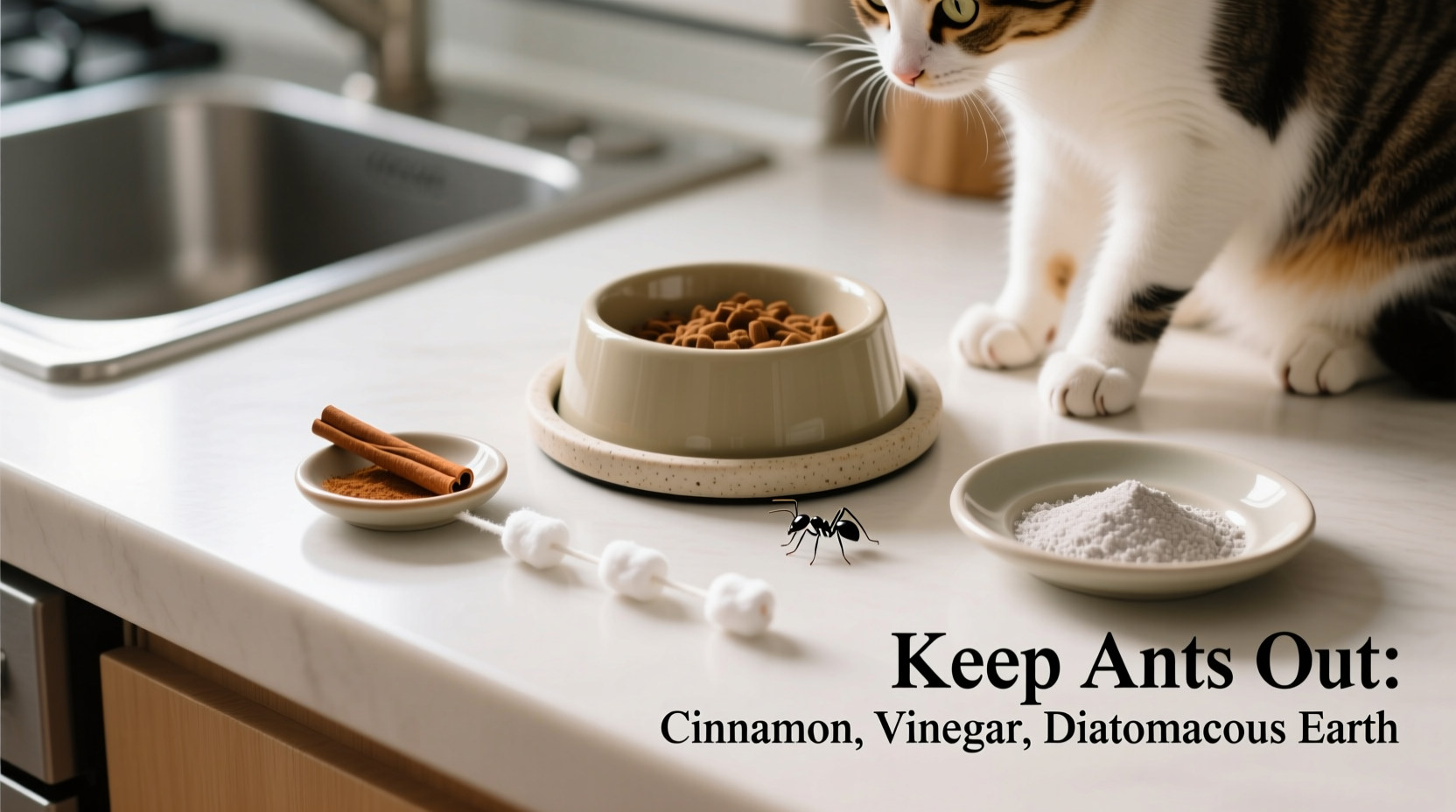
Ants are highly efficient scavengers with exceptional chemical communication systems. Once a single scout discovers a food source—especially one rich in protein or fats like pet food—it lays down a pheromone trail for others to follow. Within minutes, dozens or even hundreds of ants may appear at the site.
Pet food bowls are particularly attractive because:
- High nutrient content: Dry kibble contains oils and animal byproducts; wet food is moist and aromatic—both are ideal for ants.
- Residue buildup: Crumbs on the floor, sticky edges on bowls, or spilled water create lingering scents that attract repeat visits.
- Consistent location: Feeding areas are often fixed, allowing ants to memorize routes and return daily.
- Accessibility: Many homes have entry points near baseboards, windows, or under doors, making kitchen or dining zones easy targets.
Understanding this behavior is key: preventing ants isn’t just about killing them—it’s about disrupting their ability to find and communicate about the food source.
Tip: Wipe down floors and walls around feeding areas weekly with soapy water to erase pheromone trails ants use to navigate.Effective Household Items That Repel Ants
The best natural ant deterrents work by either masking food odors, creating physical barriers, or interfering with ants’ sensory perception. These seven household items are accessible, safe around pets when used correctly, and surprisingly effective.
Vinegar
White vinegar disrupts ant pheromone trails due to its strong acetic acid smell. It also acts as a mild disinfectant, removing residual food particles ants detect. Mix equal parts white vinegar and water in a spray bottle and apply around (not on) the bowl area. Reapply every few days or after cleaning.
Cinnamon
Ground cinnamon has a potent essential oil—cinnamaldehyde—that confuses ants’ olfactory senses. Sprinkle a thin ring around the feeding zone to block access. Avoid letting pets inhale or ingest large amounts, though small incidental contact is harmless.
Chalk
Chalk contains calcium carbonate, which interferes with ants’ ability to follow scent trails. Draw a firm line or circle around the pet bowl base. As ants cross it, they lose track of the pheromone path. Replace after wiping or if smudged.
Baking Soda and Powdered Sugar (Bait Method)
Mix equal parts baking soda and powdered sugar. Place it in a small container nearby—not mixed with pet food. Ants are attracted to the sugar and carry the baking soda back to the colony. Inside the nest, baking soda reacts with their acidic digestive system, eliminating workers over time. This method reduces overall colony presence but should be placed out of pet reach.
Dish Soap and Water Trap
Create a moat-like defense. Place the pet bowl inside a larger shallow dish (like a pie tin). Fill the outer dish with water and add a drop of dish soap. The soap breaks surface tension, so any ant attempting to cross drowns instantly. Ensure the pet bowl remains stable and dry.
Lemon Juice
Lemons contain d-limonene, a compound toxic to ants and disruptive to their scent tracking. Squeeze fresh lemon juice around the perimeter of the feeding area or dip cotton balls and place them strategically. Reapply every 1–2 days as the scent fades.
Talcum or Baby Powder
A light dusting creates a powdery barrier that ants avoid crossing. Like chalk, it masks scent trails. Use sparingly and avoid inhalation by pets or humans. Cornstarch-based baby powders are safer alternatives to talc.
“Natural repellents like vinegar and cinnamon don’t kill ants immediately, but they break the communication cycle that brings entire colonies to your doorstep.” — Dr. Laura Simmons, Urban Entomologist, University of Illinois Extension
Step-by-Step: Creating an Ant-Free Feeding Zone
Eliminating ants from pet food requires consistency and a layered approach. Follow this six-step process to build lasting protection using only household supplies.
- Clear and Clean the Area
Remove all pet bowls, mats, and nearby furniture. Wash the floor with warm, soapy water or a vinegar-water mix. Scrub corners and baseboards where trails form. Dry thoroughly. - Elevate the Bowl (Optional)
Place the food bowl on a stand or upside-down plate to raise it slightly off the ground. This makes it easier to surround with deterrents and harder for ants to reach unnoticed. - Create a Liquid Moat
Set the elevated bowl inside a larger tray filled with water and a drop of dish soap. Ensure no bridges (like napkins or cords) connect the outside to the inner bowl. - Apply a Scent Barrier
Draw a thick line of chalk or sprinkle a ring of cinnamon or baby powder around the outer edge of the tray. Reapply after each refill or spill. - Wipe Bowls Daily
After each feeding, wash the bowl with hot, soapy water. Sticky residues attract ants even if no food is visible. Store bowls upside down between uses to prevent dust accumulation. - Monitor and Refresh Weekly
Check for new trails every few days. Re-spray vinegar solution, redraw chalk lines, and replace bait stations as needed. Consistency prevents reinfestation.
Do’s and Don’ts: A Quick Reference Table
| Do | Don't |
|---|---|
| Use vinegar sprays to clean and deter around feeding zones. | Use essential oils directly near pets—many (like tea tree or citrus) are toxic to cats and dogs. |
| Place bowls in water moats with a drop of dish soap. | Leave wet food out overnight—this dramatically increases ant attraction. |
| Sprinkle cinnamon or chalk in rings around feeding areas. | Overuse powders where pets might inhale or lick them excessively. |
| Store dry food in sealed glass or metal containers to eliminate pantry trails. | Use chemical pesticides near pet feeding areas—they pose health risks. |
| Feed at consistent times and remove bowls afterward. | Rely on a single method—combine tactics for long-term success. |
Real Example: How One Homeowner Stopped a Persistent Infestation
Sarah, a dog owner in Phoenix, Arizona, struggled for weeks with Argentine ants swarming her Labrador’s breakfast bowl every morning. She tried moving the bowl, switching brands, and wiping the floor—but the ants returned daily. After researching natural solutions, she implemented a multi-layered strategy.
She started by washing the kitchen tile with vinegar, erasing old scent trails. Then, she placed a rubber mat under a metal tray filled with water and a drop of dish soap. Her dog’s bowl sat securely in the center. Around the tray’s outer rim, she drew a thick chalk line and sprinkled ground cinnamon.
She also began feeding her dog at 7 a.m. and removing the bowl by 7:30 a.m., storing it in a closed cupboard. Within three days, ant sightings dropped by 90%. By day ten, there were none. Six months later, she maintains the routine with weekly refreshes and reports no recurrence.
Her success wasn’t due to one magic fix—it was the combination of physical barriers, scent disruption, and disciplined feeding habits.
Frequently Asked Questions
Can I use apple cider vinegar instead of white vinegar?
Yes, but white vinegar is more effective. Apple cider vinegar has a sweeter smell that may initially attract ants before repelling them. Stick to distilled white vinegar for reliable results.
Is it safe if my pet licks a bowl near cinnamon or chalk?
In small amounts, both are generally safe. Cinnamon is non-toxic in trace quantities, and chalk is inert. However, avoid letting pets consume large amounts. Keep powders confined to outer barriers, not directly under or on food.
What if ants are coming from inside the wall?
If ants emerge from baseboards or outlets, they likely have a nest indoors. In addition to surface deterrents, seal cracks with caulk and use non-toxic bait stations (placed away from pets) to target the colony. Consider consulting a pest control professional if infestations persist.
Checklist: Keep Ants Out of Pet Food Bowls
- ☐ Clean feeding area weekly with vinegar or soapy water
- ☐ Place pet bowl in a water-filled tray with dish soap
- ☐ Create a barrier using chalk, cinnamon, or baby powder
- ☐ Elevate the bowl slightly to improve moat effectiveness
- ☐ Wash bowls immediately after each use
- ☐ Store dry pet food in airtight containers
- ☐ Feed pets on a schedule and remove uneaten food promptly
- ☐ Inspect for and seal entry points near feeding zones
- ☐ Refresh deterrents every 2–3 days or after spills
- ☐ Monitor for new trails and respond quickly
Conclusion: Simple Habits, Lasting Results
Keeping ants out of pet food bowls doesn’t require expensive gadgets or harsh chemicals. With a few household items and consistent habits, you can create a feeding environment that naturally repels pests while keeping your pet safe and healthy. The key is layering multiple deterrents—physical, olfactory, and behavioral—to disrupt ants’ ability to locate and exploit food sources.
Start today: clean your pet’s feeding area, set up a water moat, and draw a chalk ring. Combine these with scheduled feeding times and proper storage. Small changes lead to big results. Not only will your pet eat in peace, but you’ll also reduce the risk of ants spreading into other parts of your home.
💬 Have a tip that worked for your home? Share your experience in the comments and help fellow pet owners keep their kitchens ant-free—naturally!








