
Bringing a new puppy into a home with an older dog can be both exciting and challenging. While the younger dog brings energy and playfulness, the senior dog may perceive this newcomer as a threat to their territory, attention, or status. Jealousy in dogs is a real emotional response, often expressed through growling, snapping, withdrawal, or even aggression. However, with patience, structure, and proper introduction techniques, most dogs can learn to coexist peacefully—and sometimes even form strong bonds. The key lies not in rushing the process but in managing expectations and creating a balanced environment where both animals feel secure.
Understanding Canine Jealousy and Territorial Behavior
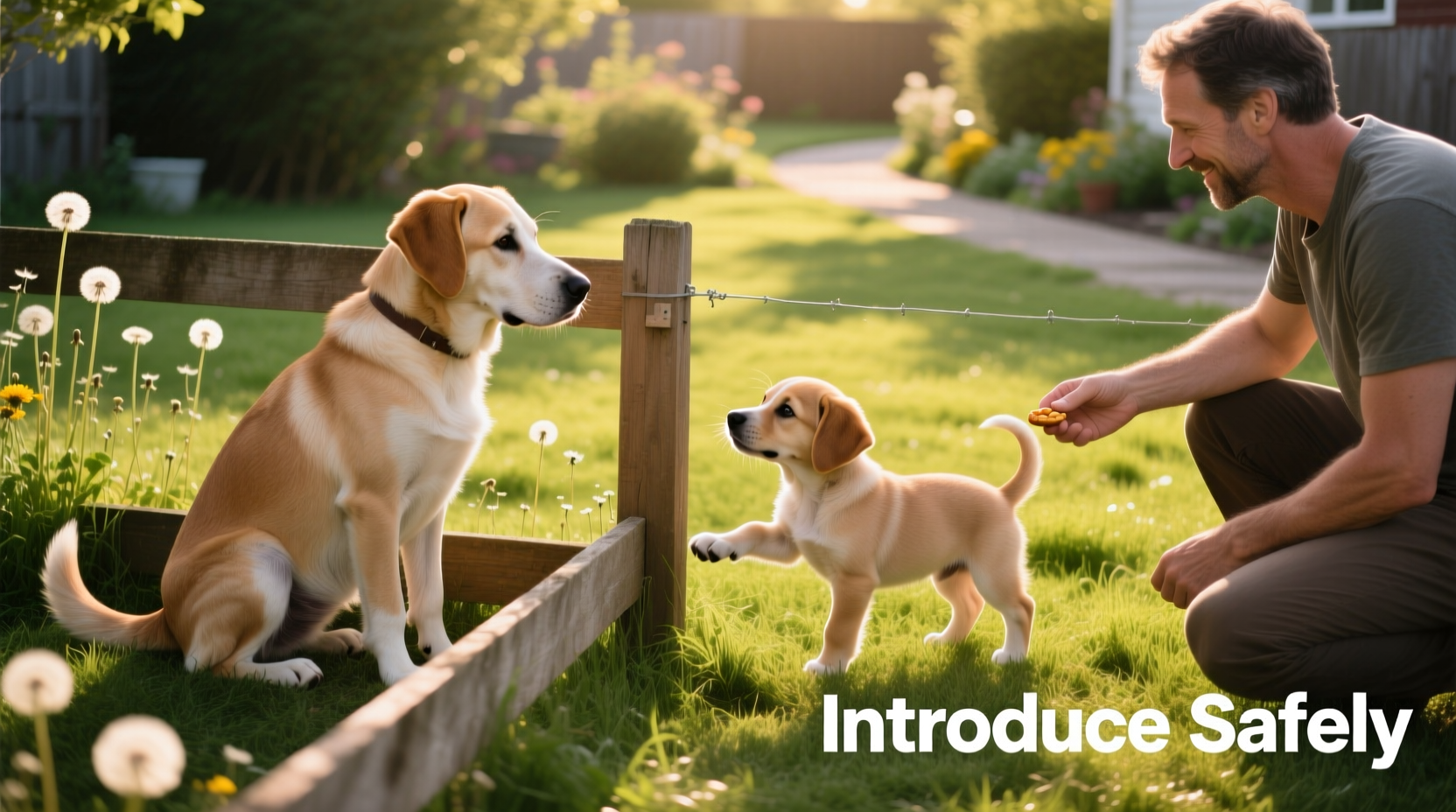
Dogs are social animals with complex emotional lives. When a new puppy enters the household, the older dog may interpret changes in routine, affection, or space as a loss of status. This isn’t mere stubbornness—it’s rooted in instinct. In the wild, pack dynamics determine access to resources like food, resting spots, and social interaction. A sudden shift, such as the arrival of a younger, more energetic animal, can trigger stress responses.
Common signs of jealousy include:
- Pushing between you and the puppy
- Growling or snapping when the puppy approaches
- Increased marking behavior (urinating indoors)
- Refusing to obey commands they previously followed
- Withdrawing from family activities
It's important not to punish these behaviors outright. Instead, recognize them as communication. The older dog is expressing discomfort—not malice. Addressing the root cause, rather than the symptom, leads to long-term harmony.
“Dogs don’t experience jealousy in the human sense, but they do respond strongly to unequal treatment. Fairness matters deeply in multi-dog households.” — Dr. Sarah Thompson, Certified Animal Behaviorist
Step-by-Step Guide: Introducing the Puppy Safely
A successful introduction isn’t a single event—it’s a phased process that unfolds over days or weeks. Rushing it increases the risk of conflict. Follow this timeline to ensure safety and reduce stress for both animals.
- Prepare the Environment (Before Day One)
Create separate spaces for each dog. This includes individual crates, feeding areas, and sleeping zones. The older dog should have a “safe room” they can retreat to without interference. - First Meeting: Neutral Territory (Day 1)
Choose a location neither dog associates with ownership—like a quiet park or sidewalk. Keep both dogs on leashes, allowing them to sniff briefly while maintaining control. Keep the interaction short—under five minutes—and end on a calm note. - Controlled Home Introduction (Day 2–3)
Bring the puppy home while the older dog is elsewhere. Let the senior dog return first and explore the changed environment without pressure. Then, repeat the neutral meeting format inside, using leashes and barriers like baby gates if needed. - Gradual Coexistence (Week 1–2)
Allow brief, supervised interactions. Reward calm behavior with treats and praise. Never leave them unsupervised during this phase, even for a few minutes. - Building Positive Associations (Ongoing)
Pair the puppy’s presence with positive experiences for the older dog—extra walks, favorite toys, or special treats. This helps reframe the puppy as a source of good things, not competition.
Do’s and Don’ts During the Introduction Phase
Mistakes during early integration can set back progress significantly. Use this table as a quick reference to avoid common pitfalls.
| Do’s | Don’ts |
|---|---|
| Do maintain the older dog’s routine as much as possible | Don’t suddenly reduce attention to the older dog |
| Do use baby gates or crates to manage proximity | Don’t force interactions or lock them together |
| Do reward calm, tolerant behavior immediately | Don’t scold the older dog for growling—redirect instead |
| Do supervise all play sessions closely | Don’t allow the puppy to pester or chase relentlessly |
| Do consult a professional if aggression escalates | Don’t assume they’ll “work it out” on their own |
Real-Life Example: Bella and Max’s Journey
Bella, a 7-year-old rescue greyhound, had lived as the only dog in her home for five years. Her owners, the Reynolds family, decided to adopt Max, a 12-week-old Labrador mix. Within hours of Max’s arrival, Bella began growling whenever he approached her bed. She stopped eating when Max was nearby and started urinating near his crate.
Instead of reacting with frustration, the family consulted a certified dog trainer. They implemented a structured plan: Bella received morning walks alone, kept her original feeding schedule, and was given a high-value treat every time Max entered the room. The puppy was taught basic boundaries using a playpen. Over three weeks, Bella’s body language softened. By week six, she tolerated Max napping nearby. By week ten, they were sharing a fenced yard under supervision—with no incidents.
The turning point came when Max accidentally dropped his toy near Bella’s resting spot. Instead of growling, she nudged it toward him with her nose. The family recognized this subtle gesture as acceptance.
Essential Checklist for a Smooth Transition
Use this checklist to stay organized and proactive throughout the introduction process:
- ✅ Prepare separate sleeping and feeding areas before bringing the puppy home
- ✅ Schedule a vet check for both dogs to rule out pain or illness contributing to irritability
- ✅ Plan the first meeting in a neutral outdoor location
- ✅ Use leashes and barriers during early indoor interactions
- ✅ Maintain the older dog’s routine (walks, meals, playtime) as much as possible
- ✅ Reward calm behavior in both dogs with treats and praise
- ✅ Avoid giving the puppy excessive attention in front of the older dog
- ✅ Monitor body language closely—look for stiff posture, raised hackles, or lip curling
- ✅ Gradually increase interaction time only when both dogs remain relaxed
- ✅ Seek help from a certified dog behaviorist if aggression persists beyond two weeks
Frequently Asked Questions
How long does it take for an older dog to accept a puppy?
There’s no fixed timeline. Some dogs adjust within a week; others take several months. Factors like temperament, past socialization, age, and health influence the pace. The critical factor is consistency in management and positive reinforcement. Most dogs show improvement within 3–4 weeks if protocols are followed.
Is it normal for my older dog to snap at the puppy?
While not ideal, mild correction like a warning growl or snap is a natural canine communication method. Puppies often test boundaries, and older dogs may respond firmly to set limits. However, any bite that breaks skin or repeated aggressive episodes require immediate intervention. Separate the dogs and consult a professional to assess triggers and modify behavior.
Should I discipline the older dog for being jealous?
No. Punishment worsens anxiety and damages trust. Instead, redirect unwanted behavior and reinforce calmness. For example, if your older dog pushes between you and the puppy, calmly ask them to sit and reward compliance. Focus on teaching what *to* do, not what *not* to do.
Creating Long-Term Harmony
Acceptance doesn’t happen overnight. True harmony develops when both dogs associate each other with positive outcomes. Continue reinforcing good behavior even after the initial adjustment period. As the puppy matures, their energy levels will stabilize, making cohabitation easier. At the same time, be attentive to the older dog’s changing needs—arthritis, hearing loss, or cognitive decline can affect tolerance.
One powerful strategy is joint enrichment: activities both dogs can enjoy together, like scent games, short group walks, or training sessions with shared rewards. These build cooperative associations and strengthen the household pack dynamic.
“When dogs learn that good things happen when they’re near each other, rivalry fades. It’s not about dominance—it’s about predictability and fairness.” — Lena Ruiz, Professional Dog Trainer & Author of *Peaceful Pack Living*
Conclusion: Patience, Structure, and Love
Introducing a puppy to an older jealous dog is one of the most delicate transitions in pet ownership. It demands empathy, planning, and unwavering consistency. There will be setbacks—moments of tension, sleepless nights, and doubt. But with the right approach, most dogs adapt. The goal isn’t just coexistence, but a balanced home where both animals feel valued and safe.
Start today by evaluating your current setup. Are routines stable? Are resources separated? Are you rewarding the behaviors you want to see? Small, deliberate actions compound into lasting change. If you're struggling, don’t hesitate to reach out to a qualified behavior professional—this isn’t a failure, but a commitment to both dogs’ well-being.
💬 Have you introduced a puppy to an older dog? Share your story or tip in the comments below—your experience could help another pet parent navigate this journey.








