Bringing a new puppy into a home with an older dog is both exciting and delicate. While some dogs welcome newcomers with open paws, others may react with confusion, anxiety, or even aggression. Without careful planning, the introduction can lead to stress, conflict, or long-term behavioral issues. The key lies in managing the process with patience, structure, and respect for both animals’ emotional needs. This guide provides a comprehensive approach to ensuring a smooth, safe integration that fosters harmony rather than hostility.
Understanding Canine Social Dynamics
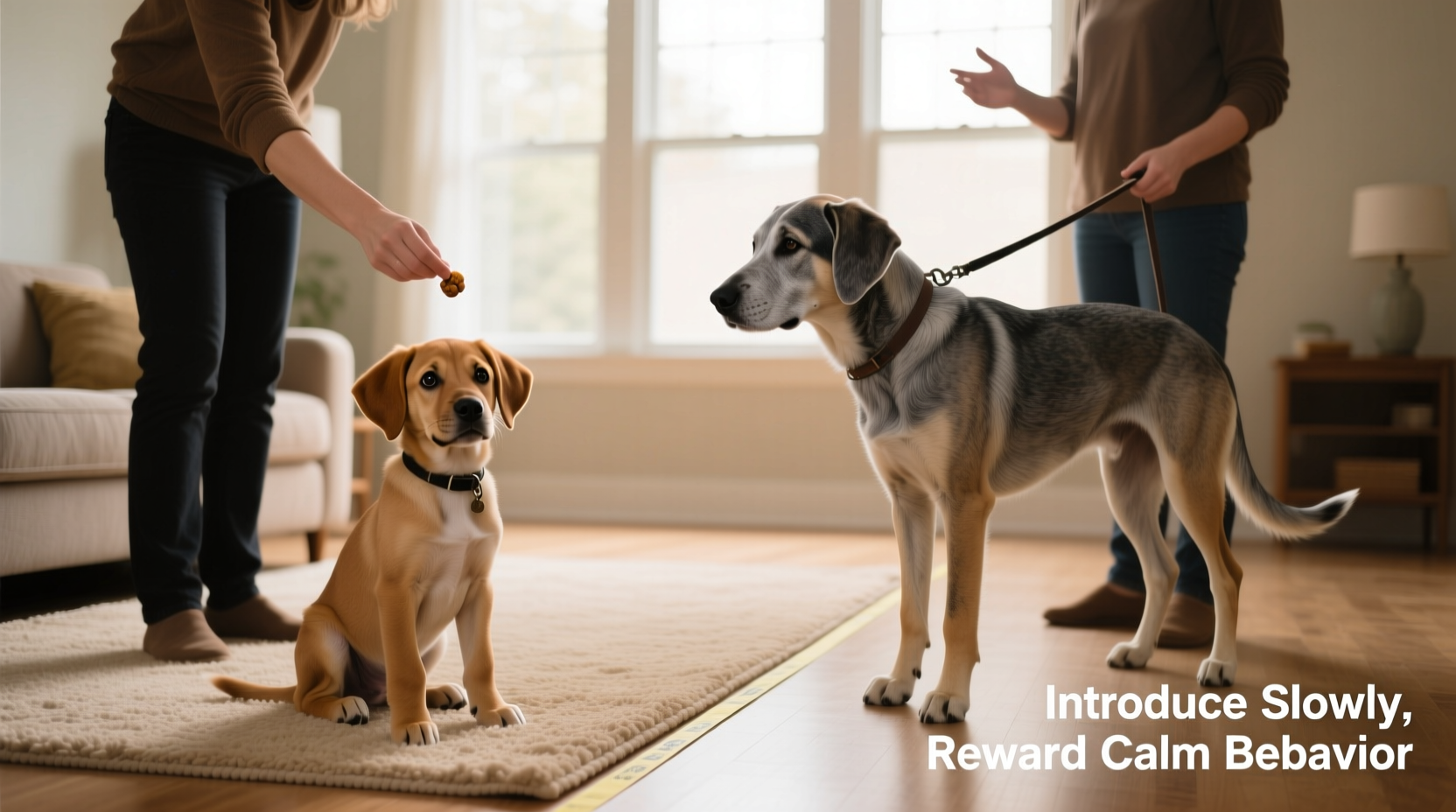
Dogs are social animals, but their tolerance for change varies greatly. An older dog, especially one accustomed to being the sole pet, may perceive a puppy as an intruder. Puppies, on the other hand, often lack social awareness—they bark, lunge, and pounce without understanding boundaries. These mismatched behaviors can trigger defensive reactions from the senior dog.
Age, temperament, past experiences, and health all influence how an older dog responds. A once-playful dog now suffering from arthritis may have little patience for a boisterous pup. Similarly, a dog with a history of resource guarding or fear-based reactivity is more likely to show aggression if not introduced properly.
The goal isn’t just to prevent fights—it’s to build mutual respect. Dogs don’t automatically bond because they live under the same roof. Trust must be earned through controlled, positive interactions.
“Dogs communicate through body language, not words. Misreading signals during introductions is one of the most common causes of conflict.” — Dr. Karen Becker, Veterinary Behaviorist
Step-by-Step Guide to a Safe Introduction
A successful introduction unfolds over days or weeks, not minutes. Rushing the process increases the risk of negative associations. Follow this structured timeline to minimize tension and promote acceptance.
- Prepare the Environment (Day 1–3): Set up separate spaces for each dog. The older dog should have a quiet retreat—bed, crate, or room—where the puppy cannot enter. Stock both areas with toys, water, and familiar bedding. This gives the older dog control over interaction and reduces territorial stress.
- Scent Swapping (Day 2–4): Exchange scents before face-to-face meetings. Rub a clean cloth on the puppy’s body and place it near the older dog’s resting area. Do the same with the older dog’s scent around the puppy’s space. Scent familiarity reduces the shock of first contact.
- First Meeting – Neutral Ground (Day 5): Choose a neutral location like a park or sidewalk—somewhere neither dog claims as territory. Both dogs should be on leash, handled by separate people. Keep leashes loose to avoid transmitting tension. Allow them to sniff briefly, then redirect with treats or commands if either shows stiffness, growling, or staring.
- Controlled Home Entry (Day 6): Bring the older dog into the home first. Then, have another person bring the puppy in on a leash. Keep both dogs calm with treats and praise. Limit interaction to 5–10 minutes. Watch closely for signs of discomfort: lip licking, whale eye (showing whites), raised hackles, or stiff posture.
- Gradual Increase in Contact (Days 7–14): Slowly extend supervised time together. Always supervise when they’re in the same room. Use baby gates or exercise pens to allow visual contact without physical access. Reward calm behavior with treats, but never force interaction.
- Establish Routines (Ongoing): Feed, walk, and train the dogs separately at first. This prevents competition and reinforces individual value. Over time, you can begin parallel walks and shared play sessions—if both dogs remain relaxed.
Do’s and Don’ts During the Introduction Phase
Mistakes during early interactions can create lasting problems. The following table outlines critical behaviors to adopt and avoid.
| Do’s | Don’ts |
|---|---|
| Use high-value treats to reward calm behavior | Force the dogs to interact |
| Keep initial meetings short and positive | Allow the puppy to chase or pester the older dog |
| Redirect attention with toys or commands if tension rises | Punish either dog during encounters |
| Maintain consistent routines for feeding and walks | Let the puppy steal toys or food from the older dog |
| Give the older dog priority access to resources (e.g., bed, attention) | Ignore warning signs like growling or snapping |
Remember, growling is a form of communication—not necessarily a prelude to attack. If an older dog growls, it means they’re setting a boundary. Removing the puppy immediately teaches both dogs that growling leads to space, which can reduce escalation. Punishing growling, however, silences the warning and may result in unprovoked bites.
Real-Life Example: Introducing Luna to Max
Max, a 9-year-old Shiba Inu, had lived alone with his owner Sarah for seven years. When she adopted Luna, a 12-week-old Labrador mix, she expected instant friendship. Instead, Max growled every time Luna approached.
Sarah followed a structured plan. She began by swapping blankets between the dogs and walking them on opposite sides of the street. After a week, she arranged a neutral meeting at a quiet park. Max remained tense, so she ended the session early and rewarded him for looking away from Luna.
At home, she used a baby gate to separate the living room. She fed Max first, then Luna, always praising Max for calm behavior. She avoided letting Luna jump on Max, redirecting her with a toy instead. Within three weeks, Max began tolerating Luna’s presence. By week six, they were napping in the same room—separate beds, but peaceful.
The turning point came when Luna backed off after Max growled softly. Sarah praised Max and gave him a treat. This reinforced that calm communication worked. Over time, Max’s body language softened, and occasional sniffing turned into brief play bows.
Sarah’s success came not from forcing affection, but from respecting boundaries and rewarding incremental progress.
Essential Checklist for a Smooth Transition
Before bringing your puppy home, ensure you’re prepared. Use this checklist to set the stage for a peaceful coexistence.
- ✅ Create separate sleeping and eating areas
- ✅ Gather supplies: extra collars, leashes, crates, and age-appropriate toys
- ✅ Schedule a vet check for both dogs to rule out pain or illness affecting behavior
- ✅ Plan neutral-site first meetings
- ✅ Train basic commands (sit, stay, leave it) for both dogs
- ✅ Establish a daily routine that includes individual attention
- ✅ Identify signs of stress and know when to intervene
- ✅ Consult a certified dog trainer or behaviorist if aggression persists
When Aggression Occurs: Responding Effectively
Even with precautions, minor conflicts may arise. A snap, lunge, or brief scuffle doesn’t mean failure—but how you respond matters.
If a confrontation happens:
- Stay calm. Yelling raises stress levels.
- Separate the dogs quietly using barriers or leashes—never grab them by the collar mid-fight.
- Reassess the pace. You may need to return to earlier steps, like neutral meetings or scent swapping.
- Identify triggers: Was it over food? A toy? A sudden movement?
- Consult a professional. A certified canine behaviorist can assess body language and design a tailored rehabilitation plan.
True aggression—deep growling, biting, or sustained attacks—requires immediate intervention. Do not wait for “them to work it out.” Dogs do not resolve deep-seated conflicts on their own. Left unchecked, aggression can escalate and become habitual.
“Introductions aren’t about forcing friendship. They’re about creating safety, predictability, and choice for both dogs.” — Victoria Stilwell, Animal Behavior Expert
Frequently Asked Questions
How long does it take for an older dog to accept a puppy?
There’s no fixed timeline. Some dogs adjust within days; others take months. Factors include temperament, age, health, and how carefully the introduction is managed. Most dogs reach a stable coexistence within 4–8 weeks if the process is gradual and positive.
Should I punish my older dog for growling at the puppy?
No. Growling is a warning signal that prevents bites. Punishing it teaches the dog to skip the warning and go straight to aggression. Instead, remove the puppy and reward the older dog for communicating clearly. This builds trust and reduces tension.
Can two dogs ever live together peacefully if the first meeting went badly?
Yes. A poor first meeting isn’t irreversible. Go back to neutral ground introductions and rebuild slowly. Many dogs eventually adapt, especially when given time, space, and consistent management. Professional training support significantly improves outcomes.
Conclusion: Building a Harmonious Household
Introducing a new puppy to an older dog is not a one-time event but a process of building trust, setting boundaries, and fostering mutual respect. Success isn’t measured by immediate cuddles, but by the absence of conflict and the presence of calm coexistence. Every dog deserves to feel safe in their home, regardless of age or energy level.
By preparing thoroughly, moving at a pace that respects both animals, and responding wisely to challenges, you lay the foundation for a lifelong bond—or at least a peaceful truce. Patience, consistency, and empathy are your most powerful tools.
💬 Have you successfully introduced a puppy to an older dog? Share your story or tips in the comments—your experience could help another pet owner navigate this challenging but rewarding journey.








