
Bringing a new kitten into a home with an older cat can be both exciting and nerve-wracking. While kittens often seem eager to explore and play, older cats may react with suspicion, fear, or even aggression. Without careful planning, the introduction can lead to lasting tension—or worse, lifelong hostility between pets. But it doesn’t have to be that way. With patience, structure, and science-backed techniques, most cats can learn to coexist, and sometimes even bond. This guide walks through proven strategies used by animal behaviorists and experienced pet owners to ensure a smooth, stress-free integration.
Understanding Feline Behavior: Why Introductions Go Wrong
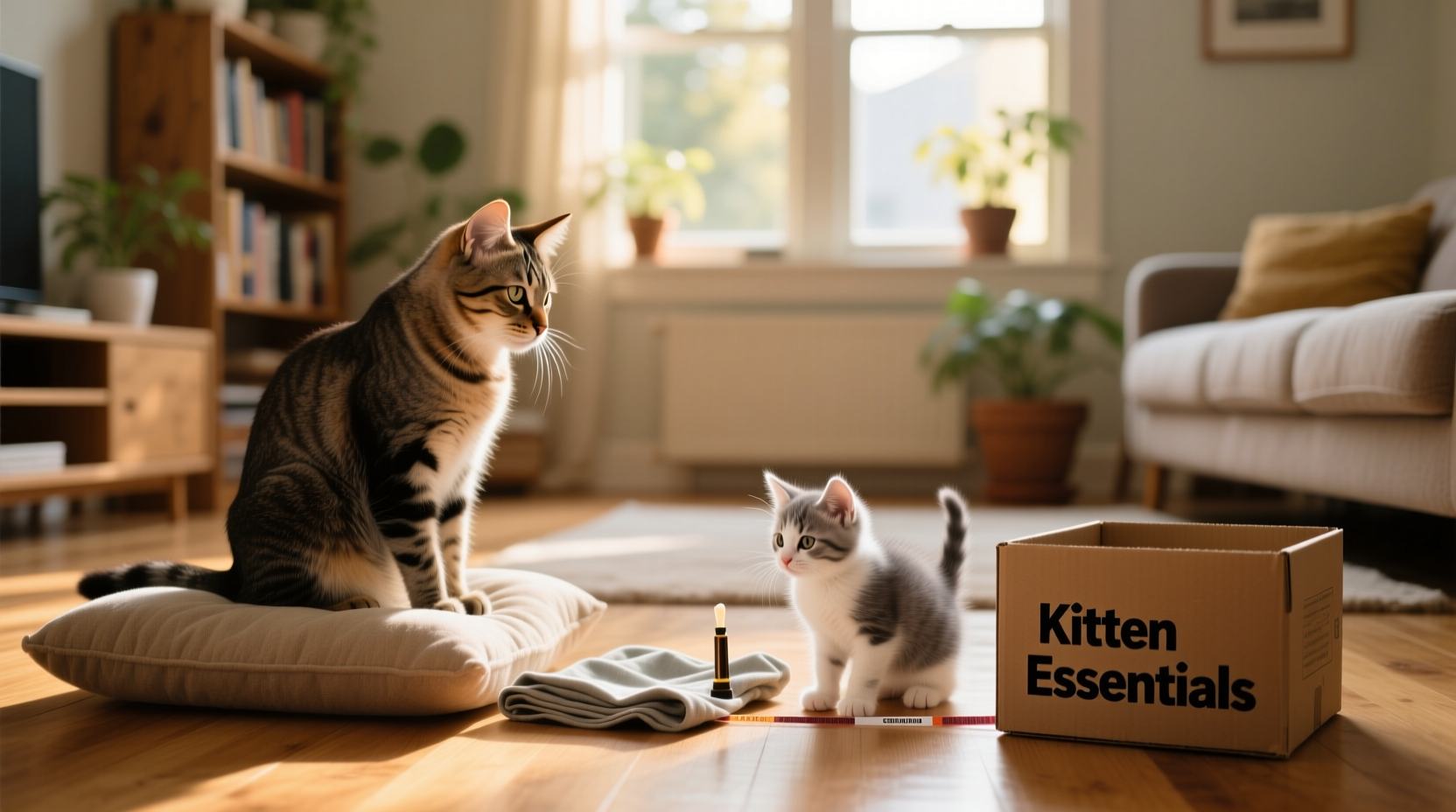
Cats are territorial animals by nature. Unlike dogs, they don’t instinctively seek companionship from unfamiliar felines. An older cat views its environment as its domain, and any intrusion—especially one involving scent, noise, and movement—can trigger defensive behaviors. A sudden appearance of a playful, energetic kitten can feel like a direct threat.
Stress manifests in various ways: hiding, excessive grooming, litter box avoidance, vocalization, or outright aggression. These reactions aren't \"meanness\"—they're expressions of anxiety. The key to a successful introduction is minimizing perceived threats by controlling exposure and building positive associations over time.
“Cats don’t generalize well. They need to learn that this specific newcomer is not a danger—and that takes time, consistency, and controlled interactions.” — Dr. Sarah Ellis, Feline Behavior Scientist, University of Lincoln
A Step-by-Step Timeline for Safe Introduction
Rushing the process is the most common mistake. A proper introduction should span several days to weeks, depending on your cats’ temperaments. Follow this structured timeline to reduce stress and build familiarity gradually.
- Day 1–3: Scent Swapping and Separate Spaces
Keep the kitten in a separate room with its own food, water, litter box, bed, and toys. Swap bedding between the cats daily so each smells the other. Rub a soft cloth on one cat and place it near the other’s resting area. This builds scent familiarity without visual contact. - Day 4–6: Controlled Visual Exposure
Use a baby gate or cracked door so the cats can see but not touch each other. Feed them on opposite sides of the barrier at the same time. This creates a positive association: “When I see the other cat, good things (food) happen.” Monitor body language closely—flattened ears, hissing, or tail lashing mean you should increase distance or revert to scent-only phase. - Day 7–10: Supervised Face-to-Face Meetings
Allow short, supervised meetings (5–10 minutes) in a neutral space—not the older cat’s favorite spot. Distract with interactive toys (like wand toys) to redirect focus. End sessions before tension arises. If either cat growls or flees, return to previous stage. - Week 2–3: Gradual Increase in Interaction Time
Extend meeting durations slowly. Allow the kitten to explore the house under supervision while the older cat adjusts. Always provide escape routes and elevated spaces (cat trees, shelves) so the older cat can observe safely. - Week 4+: Full Integration (When Ready)
Only allow unsupervised access when both cats nap near each other, groom in proximity, or show curiosity instead of fear. This milestone may take four weeks—or longer. Never force interaction.
Essential Checklist Before Starting
Preparation prevents setbacks. Complete these steps before initiating the introduction process:
- Ensure both cats are healthy and up-to-date on vaccinations.
- Provide separate resources: two litter boxes (plus one extra), feeding stations, water bowls, and sleeping areas.
- Prepare a dedicated quarantine room for the kitten (with carrier, litter, toys, scratching post).
- Stock calming tools: pheromone diffusers, soft towels, and interactive toys.
- Trim both cats’ nails beforehand to minimize injury if swatting occurs.
- Identify safe retreats: high perches, cubbies, or closed-off rooms where either cat can withdraw.
Do’s and Don’ts During the Introduction
| Do’s | Don’ts |
|---|---|
| Feed cats near each other (with barrier) to create positive associations. | Never force face-to-face interaction or lock them in a room together. |
| Use treats and praise when cats remain calm near each other. | Don’t punish hissing or growling—it increases fear and delays progress. |
| Monitor body language closely: relaxed posture = progress; piloerection or crouching = stress. | Don’t let the kitten chase the older cat relentlessly—even if “playing.” |
| Give the older cat extra attention and routine stability during transition. | Don’t neglect the older cat’s needs while focusing on the kitten. |
| End sessions on a positive note, even if brief. | Don’t allow children or guests to crowd or handle cats during early stages. |
Real Example: Bella and Milo’s Successful Integration
Sarah adopted a 10-week-old kitten, Milo, to join her 7-year-old cat, Bella. Bella had lived alone since kittenhood and was shy around strangers. On day one, Sarah set up Milo in the guest bathroom. She swapped their blankets nightly and played calming music near Bella’s bed.
By day five, she placed a baby gate at the doorway. Both cats observed each other while eating dinner. At first, Bella turned away, but after three days of parallel feeding, she began eating while watching Milo.
The first supervised meeting lasted four minutes. Milo darted forward; Bella flattened her ears. Sarah ended the session immediately. Over the next week, she used a feather toy to engage Milo while Bella watched from a shelf. Gradually, Bella started approaching the living room during sessions.
After 18 days, they were napping within five feet of each other. By week six, they groomed near one another. Today, they sleep curled together on the couch. Sarah credits success to patience and refusing to rush the process.
Tip: If your older cat stops using the litter box during introduction, consult your vet first—this could signal medical issues or extreme stress.Expert-Backed Techniques That Work
Veterinary behaviorists emphasize environmental management and classical conditioning. One effective method is **counter-conditioning**: pairing the sight or sound of the new kitten with something highly rewarding, like tuna or catnip.
Dr. Elizabeth Colleran, past president of the American Association of Feline Practitioners, explains: “We want the older cat to think, ‘Oh good, the kitten is here—that means my favorite treat appears!’” This rewires the emotional response from fear to anticipation.
“The fastest way to ruin an introduction is to assume cats will ‘work it out.’ Unsupervised conflicts create lasting fear memories. Management is kindness.” — Dr. Mikel Delgado, Certified Cat Behavior Consultant
Another powerful tool is distraction. Use wand toys to engage the kitten during early meetings, preventing it from chasing the older cat. Redirect the older cat’s attention with treats or puzzle feeders when the kitten enters the room.
Frequently Asked Questions
How long does it typically take for cats to get along?
There’s no fixed timeline. Some cats tolerate each other in a week; others take months to become friendly. Most reach peaceful coexistence within 4–8 weeks if the introduction is managed properly. True friendship—grooming, playing, sleeping together—is less common but possible.
What if my older cat hisses or swats at the kitten?
Some hissing and swatting are normal during early interactions. It’s a warning, not necessarily aggression. As long as there’s no prolonged fighting or injuries, allow the older cat to express boundaries. However, intervene if the kitten persists in pestering. Separate them and restart with shorter, more controlled sessions.
Should I ever leave them alone together early on?
No. Until they consistently interact calmly and show signs of bonding (relaxed body language, mutual grooming, shared space), all interactions must be supervised. One negative encounter can undo weeks of progress.
Final Tips for Long-Term Harmony
Even after successful introduction, maintain routines that support peaceful cohabitation:
- Keep multiple litter boxes in different locations to prevent resource guarding.
- Rotate toys and provide vertical space to reduce competition.
- Continue giving the older cat one-on-one attention to prevent jealousy.
- Watch for subtle signs of stress: decreased appetite, over-grooming, or hiding.
- Consider adopting a second kitten in the future only if the first integration was fully successful.
Conclusion: Patience Builds Peace
Introducing a new kitten to an older cat isn’t about forcing friendship—it’s about creating conditions where tolerance, and eventually trust, can grow. Chaos isn’t inevitable. By respecting feline psychology, moving at your cats’ pace, and applying consistent, humane techniques, you can lay the foundation for a harmonious household.
Every small step—shared scents, calm glances, synchronized meals—adds up. Celebrate quiet moments over dramatic breakthroughs. Your patience today ensures years of peaceful coexistence tomorrow.
💬 Have experience introducing cats? Share your story or tips in the comments—your insight could help another pet owner avoid stress and build a happier home.








