Shin splints are a common yet often misunderstood condition affecting active individuals, especially runners, dancers, and military personnel. While mild discomfort in the lower leg may seem normal after physical activity, persistent pain along the shinbone could signal medial tibial stress syndrome—the clinical term for shin splints. Recognizing the early warning signs and knowing when to intervene can prevent long-term damage and keep you on track with your fitness goals.
Understanding Shin Splints: What They Are and Who’s at Risk
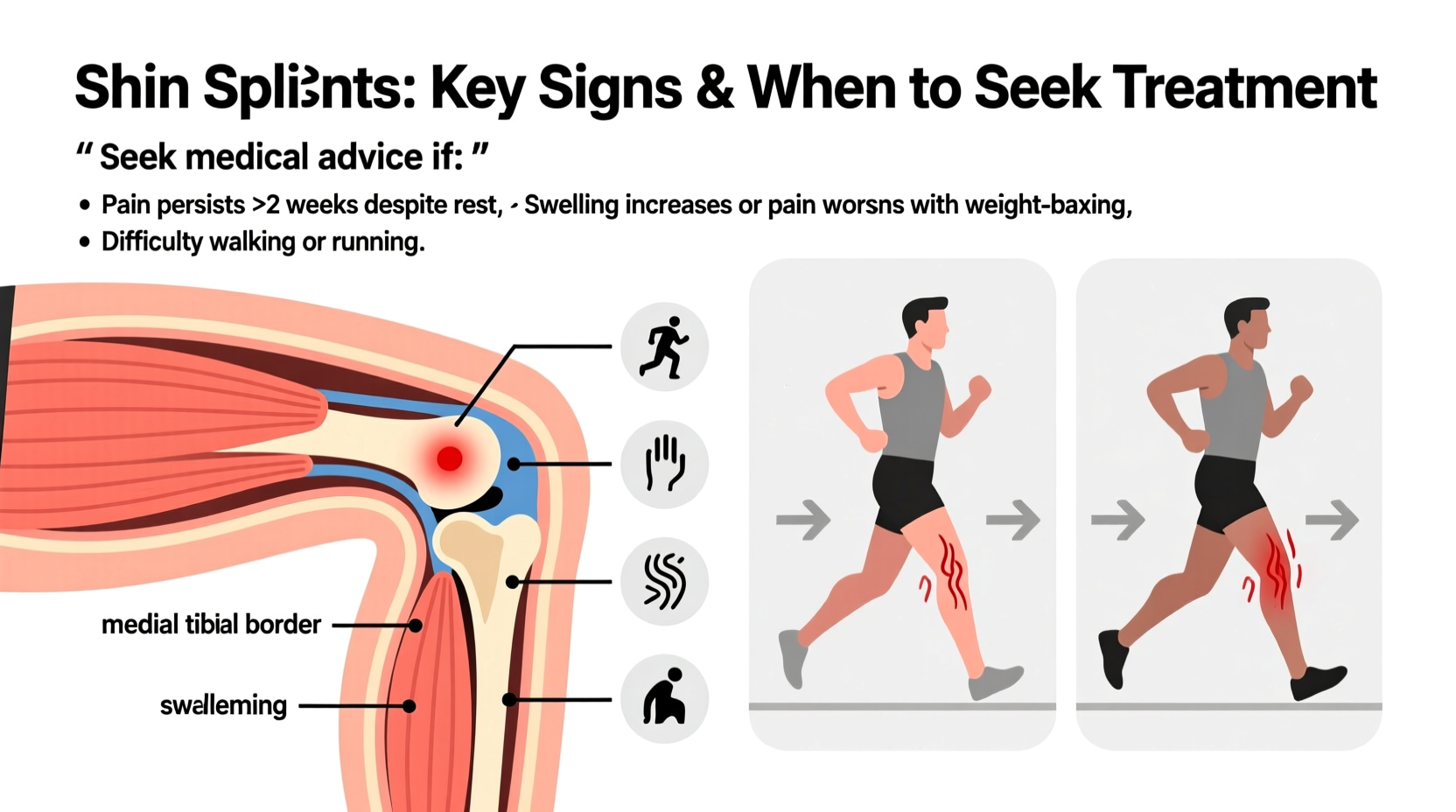
Shin splints occur when excessive stress is placed on the tibia (shinbone) and the connective tissues that attach muscles to the bone. This typically results from repetitive impact activities like running, jumping, or sudden increases in training intensity. The inflammation develops gradually, making it easy to overlook in the early stages.
People most vulnerable to shin splints include:
- Runners who rapidly increase mileage or intensity
- Athletes transitioning from soft to hard surfaces
- Individuals with flat feet or high arches
- Those wearing worn-out or unsupportive footwear
- Beginners starting new high-impact exercise routines
The condition is not just limited to elite athletes—weekend warriors and new gym-goers are equally susceptible if proper progression and recovery practices aren’t followed.
“Many patients come in thinking shin pain is just part of getting fit. But persistent shin discomfort isn’t normal—it’s a warning sign.” — Dr. Lena Patel, Sports Medicine Physician
Key Signs and Symptoms of Shin Splints
Identifying shin splints early can significantly reduce recovery time. Pain associated with shin splints usually follows a predictable pattern. Here are the hallmark symptoms:
- Dull, aching pain along the inner edge of the shinbone – Most commonly felt in the lower third of the leg.
- Pain that worsens during or after exercise – Initially, discomfort may only appear at the start of a workout, but as the condition progresses, it persists throughout and after activity.
- Tenderness to touch – Pressing along the inside of the shin elicits soreness, sometimes with mild swelling.
- Muscle tightness or cramping – Often in the calf or anterior tibialis muscle, especially during or after movement.
- Numbness or weakness in the foot – In some cases, nerve irritation due to muscle swelling may cause tingling or foot drop sensations.
It's important to note that not all shin pain is shin splints. Conditions such as stress fractures, compartment syndrome, or tendonitis can mimic similar symptoms but require different treatments.
Tip: If pain returns each time you resume activity—even after rest—it’s likely more than just muscle soreness and warrants further evaluation.Distinguishing Shin Splints from Other Leg Injuries
Because several conditions share overlapping symptoms, accurate identification is crucial. The table below outlines key differences between shin splints and other common lower leg injuries:
| Injury Type | Pain Location | Pain Pattern | Diagnostic Clue |
|---|---|---|---|
| Shin Splints (Medial Tibial Stress Syndrome) | Inner edge of the shin, over a broad area (2+ inches) | Dull ache during/after activity; improves with rest | Tenderness along a diffuse section of the tibia |
| Stress Fracture | Focal point on the shin, often smaller area | Sharp, localized pain even at rest; worsens with weight-bearing | Pain remains when hopping on one leg; confirmed via imaging |
| Anterior Compartment Syndrome | Front outer part of the lower leg | Crescendo pain during exercise, resolves quickly with rest | Feeling of tightness or fullness; possible numbness |
| Chronic Exertional Compartment Syndrome | Reproducible pain in specific muscle compartments | Pain builds predictably during activity, disappears within minutes of stopping | Measurable pressure increase in compartments post-exercise |
When in doubt, a healthcare provider may order imaging tests—such as X-rays, MRIs, or bone scans—to rule out stress fractures or other structural issues.
When to Seek Medical Treatment
While many cases of shin splints resolve with self-care, certain red flags indicate the need for professional intervention:
- Pain that doesn’t improve after 2–3 weeks of rest – Continuing despite conservative measures suggests a more serious underlying issue.
- Swelling, warmth, or visible inflammation – These may indicate infection or severe tissue damage requiring urgent care.
- Pain at rest or while sleeping – A potential sign of a stress fracture or nerve involvement.
- Limping or altered gait – Avoiding weight on the leg changes biomechanics and risks secondary injuries.
- History of repeated shin pain – Recurrent episodes suggest unresolved biomechanical flaws or training errors.
Early diagnosis prevents progression to chronic injury. A sports medicine specialist can assess gait, footwear, training habits, and muscle imbalances to create a targeted recovery plan.
Step-by-Step Guide to Managing Shin Splints at Home
If symptoms are mild and recent, initial management can be effective with conservative steps. Follow this timeline to promote healing:
- Day 1–3: Rest and Reduce Impact
Stop high-impact activities. Switch to swimming, cycling, or elliptical training to maintain fitness without loading the shins. - Day 1–5: Ice and Elevate
Apply ice packs for 15–20 minutes every 2–3 hours during the first few days to reduce inflammation. - Day 3 onward: Gentle Stretching
Stretch the calves, Achilles tendon, and anterior tibialis. Hold each stretch for 30 seconds, repeat 2–3 times daily. - Week 2: Assess Footwear and Orthotics
Replace shoes older than 300–500 miles. Consider over-the-counter arch supports if flat feet are present. - Week 3–4: Gradual Return to Activity
Resume walking or light jogging only when pain-free. Increase duration by no more than 10% per week.
Mini Case Study: Recovering from Recurring Shin Pain
Sarah, a 27-year-old recreational runner, began training for her first half-marathon. After increasing her weekly mileage from 10 to 20 miles in three weeks, she developed a nagging ache along her left shin. She initially ignored it, believing it was “just part of getting stronger.” By week five, the pain persisted even during walks, and she noticed swelling.
After visiting a sports clinic, Sarah was diagnosed with advanced shin splints complicated by early signs of periostitis (inflammation of the bone lining). Imaging ruled out a stress fracture, but she was advised to stop running for four weeks. Her rehab plan included custom orthotics, daily stretching, and a structured return-to-run program. Six months later, she completed her race pain-free—having learned the importance of gradual progression and listening to her body.
Prevention Checklist: Avoid Future Shin Splints
Use this checklist to minimize your risk of developing shin splints:
- ✅ Increase running or training volume by no more than 10% per week
- ✅ Replace athletic shoes every 300–500 miles
- ✅ Incorporate strength training for calves, hips, and core
- ✅ Warm up properly before workouts and cool down afterward
- ✅ Run on softer surfaces (grass, trails, tracks) when possible
- ✅ Address biomechanical issues with orthotics or gait analysis
- ✅ Cross-train to avoid overuse of lower leg muscles
Frequently Asked Questions
Can shin splints heal on their own?
Yes, mild cases often resolve with rest, ice, and reduced activity. However, returning too soon or ignoring symptoms can lead to chronic pain or stress fractures. Active recovery with stretching and strength work supports faster healing.
How long should I wait before running again?
Only resume running when you can walk pain-free for 10–15 minutes and perform light calf raises without discomfort. Begin with walk-run intervals and progress slowly over 2–3 weeks.
Are shin splints dangerous?
While not immediately dangerous, untreated shin splints can escalate into stress fractures or lead to long-term mobility issues. Persistent pain should never be dismissed as “normal soreness.”
Take Action Before It Gets Worse
Shin splints are more than just an inconvenience—they’re a signal that your body needs attention. Whether you're training for a race or simply staying active, honoring your body’s limits is essential for sustainable progress. Pay attention to pain patterns, prioritize recovery, and don’t hesitate to consult a professional when needed. With the right approach, most people recover fully and return stronger than before.
💬 Have you experienced shin splints? Share your story or tips in the comments—your insight could help someone avoid the same setback.








