Dogs don’t just play—they interact with their world through chewing, tugging, chasing, and exploring. A toy that’s perfect for a gentle retriever might not survive five minutes in the jaws of a power-chewing terrier. Choosing the right dog toy isn’t just about fun; it’s about safety, longevity, and mental engagement. The key lies in matching the toy’s durability to your dog’s unique playstyle. Understanding what drives your pup’s behavior—and which materials and designs can withstand it—makes all the difference.
Understand Your Dog’s Playstyle First
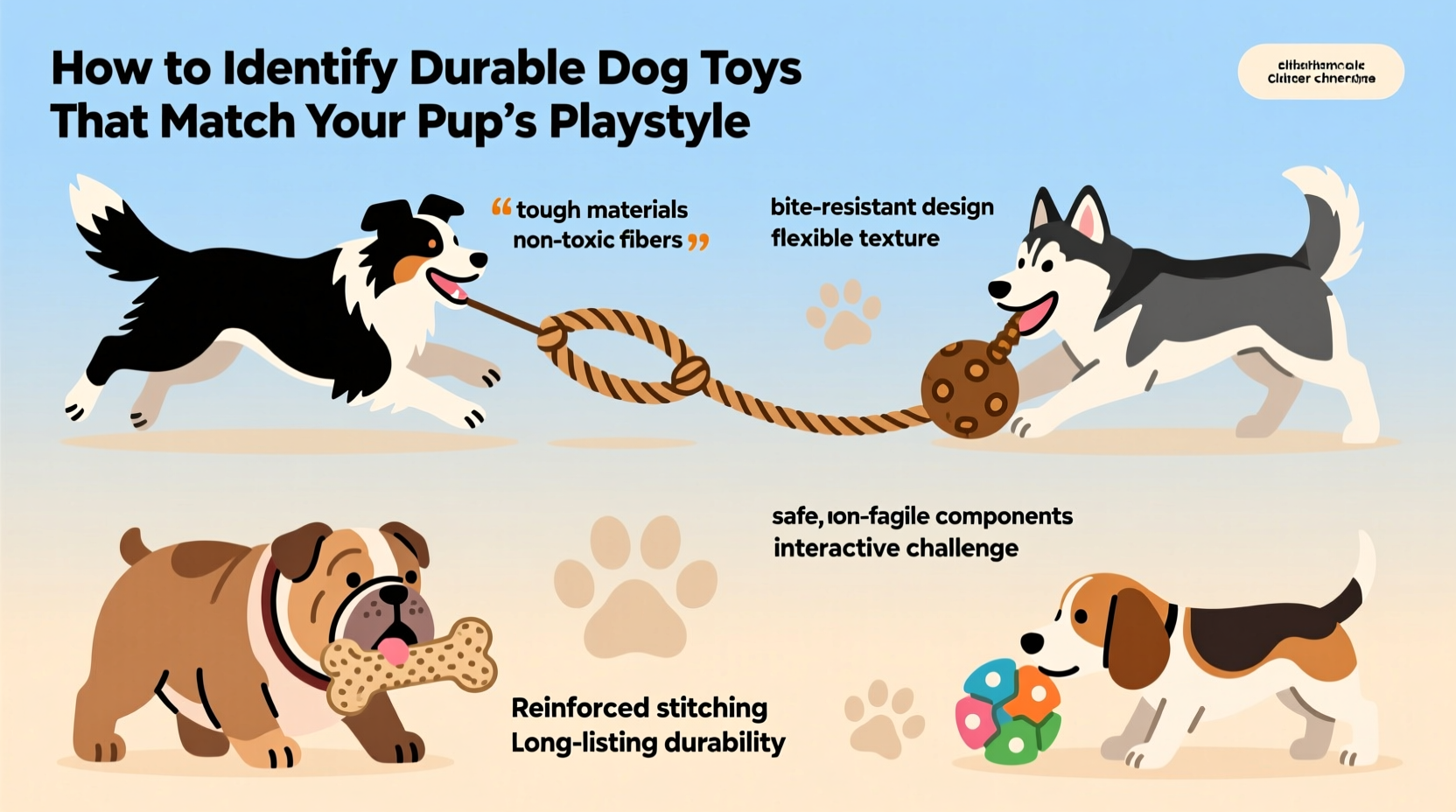
Before evaluating materials or brands, take time to observe how your dog plays. Dogs fall into several broad play categories, each requiring different toy characteristics:
- Chewers: These dogs use their mouths constantly. They may gnaw on furniture, carry toys everywhere, or dismantle plush toys rapidly. Heavy chewers need dense, abrasion-resistant materials.
- Fetchers: High-energy dogs who love to retrieve benefit from bouncy, buoyant toys that endure repeated throws and landings.
- Tuggers: Dogs that enjoy resistance games need strong seams, reinforced stitching, and flexible but tough construction.
- Explorers: Puzzled-driven or scent-motivated dogs thrive with interactive toys that dispense treats or require problem-solving.
Misalignment between playstyle and toy type leads to quick destruction, choking hazards, or disinterest. For example, giving a puzzle toy to an aggressive chewer often results in broken plastic pieces within minutes.
Tip: Spend 10–15 minutes observing your dog during free play. Note whether they shake, chew, toss, or ignore certain textures. This insight guides smarter toy choices.Material Matters: What Works for Each Playstyle
Not all “durable” labels are equal. Some materials resist punctures but crack under pressure; others float but degrade in sunlight. Here’s a breakdown of common toy materials and their ideal use cases:
| Material | Best For | Risks |
|---|---|---|
| Rubber (e.g., natural latex, TPE) | Chewers, tuggers, teething puppies | Poor-quality rubber may contain phthalates; avoid brittle types |
| Nylon polymers (e.g., nylon bone alternatives) | Power chewers | Can fracture teeth if too rigid; supervise use |
| Fleece & braided rope (cotton/poly blend) | Tuggers, light chewers | Fraying over time; remove loose strands to prevent ingestion |
| Plush with reinforced lining | Gentle players, comfort seekers | Not for strong chewers; squeakers pose hazard if exposed |
| Polyester webbing (in tug toys) | Durable outdoor play | May mildew if left wet; rinse after use |
High-density rubber, such as that used by trusted brands like Kong or West Paw, offers flexibility and resilience. It absorbs impact without splintering—a critical feature for enthusiastic chewers. Avoid recycled rubber blends unless vetted by independent safety standards.
“Matching toy material to a dog’s bite force and play habits reduces injury risk and extends toy life significantly.” — Dr. Lena Torres, Veterinary Behaviorist
Step-by-Step Guide to Selecting Long-Lasting Dog Toys
Follow this practical sequence when shopping for new toys to ensure you’re investing in quality and compatibility:
- Assess your dog’s past toy failures. Did plush toys get ripped apart? Were rubber balls cracked? Identify patterns.
- Determine primary play behavior. Is your dog more likely to carry, destroy, chase, or solve?
- Check manufacturer claims critically. Look for terms like “high-strength,” “non-toxic,” or “tested for aggressive chewers”—but verify with reviews.
- Inspect construction details. Seams should be double-stitched, edges smooth, and no small parts easily detachable.
- Test under supervision. Introduce the toy during a calm moment and monitor interaction for at least 15 minutes.
- Evaluate wear weekly. Rotate toys and discard any showing cracks, sharp edges, or stuffing exposure.
Red Flags: Signs of a Low-Durability Toy
Even expensive toys can fail. Watch for these warning signs before handing a toy over:
- Thin walls or hollow sections in rubber toys
- Glitter coatings or painted surfaces (potential toxin risks)
- Loose eyes, noses, or squeakers in plush toys
- Lack of certification (look for ASTM F963 or CPSC compliance)
- Overly flexible materials that tear easily under finger pressure
A simple pinch test helps: squeeze the toy firmly. If it tears, dents permanently, or emits a chemical smell, it’s not suitable for serious play.
Real Example: Max the Border Collie Mix
Max, a 45-pound herding mix, destroyed three rope toys and two plush dinosaurs within two weeks. His owner assumed he just needed “tougher” toys and bought a hard nylon bone. Within days, Max fractured a premolar chewing on it. A trainer assessed his behavior and noted that while Max liked to chew, his real drive was mental stimulation—he’d dissect toys looking for hidden elements.
The solution? A series of treat-dispensing rubber toys made from food-grade thermoplastic elastomer (TPE). These were durable enough to resist tearing but soft enough to be safe. Max stayed engaged for weeks, and the toys showed only minor tooth marks after six months of supervised use. The fix wasn’t just durability—it was alignment with his true play motivation.
Checklist: Durable Dog Toy Buying Guide
Use this checklist before every purchase:- ✅ Matches my dog’s primary playstyle (chewer, tugger, etc.)
- ✅ Made from non-toxic, high-density material
- ✅ No small, swallowable parts or loose components
- ✅ Reinforced seams or solid one-piece construction
- ✅ Independent safety certifications listed
- ✅ Positive long-term user reviews mentioning durability
- ✅ Appropriate size—too small risks choking, too large discourages use
Frequently Asked Questions
How do I know if a rubber toy is safe for heavy chewing?
Look for toys specifically labeled for “aggressive chewers” made from high-density rubber. Brands like Kong, GoughNuts, and West Paw undergo rigorous testing. Avoid toys that indent easily under firm thumb pressure or have a strong chemical odor.
Are there eco-friendly durable dog toys?
Yes. Several brands now use recyclable TPE, natural rubber, or hemp-reinforced fabrics. Check for B Corp certification or sustainability statements. Some companies offer take-back programs for worn toys.
Should I rotate my dog’s toys?
Absolutely. Rotating toys every 7–10 days maintains novelty and allows you to inspect each for wear. It also prevents obsessive fixation and extends overall toy lifespan.
Final Thoughts: Durability Meets Purpose
Selecting durable dog toys isn’t just about finding something indestructible—it’s about understanding your dog’s instincts and directing that energy safely. The most resilient toy is one that survives both physical stress and behavioral scrutiny. When material strength aligns with mental satisfaction, you don’t just extend the toy’s life—you enrich your dog’s daily experience.
💬 Have a toy that survived your pup’s toughest tests? Share your go-to brand or strategy in the comments—your insight could help another dog parent avoid a costly mistake.








