Every pet owner wants the best for their dog, from nutritious food to comfortable bedding. But one often overlooked detail can have long-term health consequences: the material of your dog’s feeding bowl. Bisphenol A (BPA) is a chemical commonly found in certain plastics that has been linked to hormonal disruptions, developmental issues, and chronic diseases in both humans and animals. As dogs eat and drink directly from their bowls multiple times a day, prolonged exposure to BPA through scratched or heated plastic bowls can pose real risks.
Choosing a truly BPA-free dog bowl isn’t always as simple as checking a label. Some manufacturers use misleading terms, while others assume “plastic-free” automatically means safe. This guide breaks down exactly how to identify BPA-free dog bowls, what materials are safest, and how to verify claims with confidence—so you can feed your dog without worry.
Understanding BPA and Why It Matters for Dogs
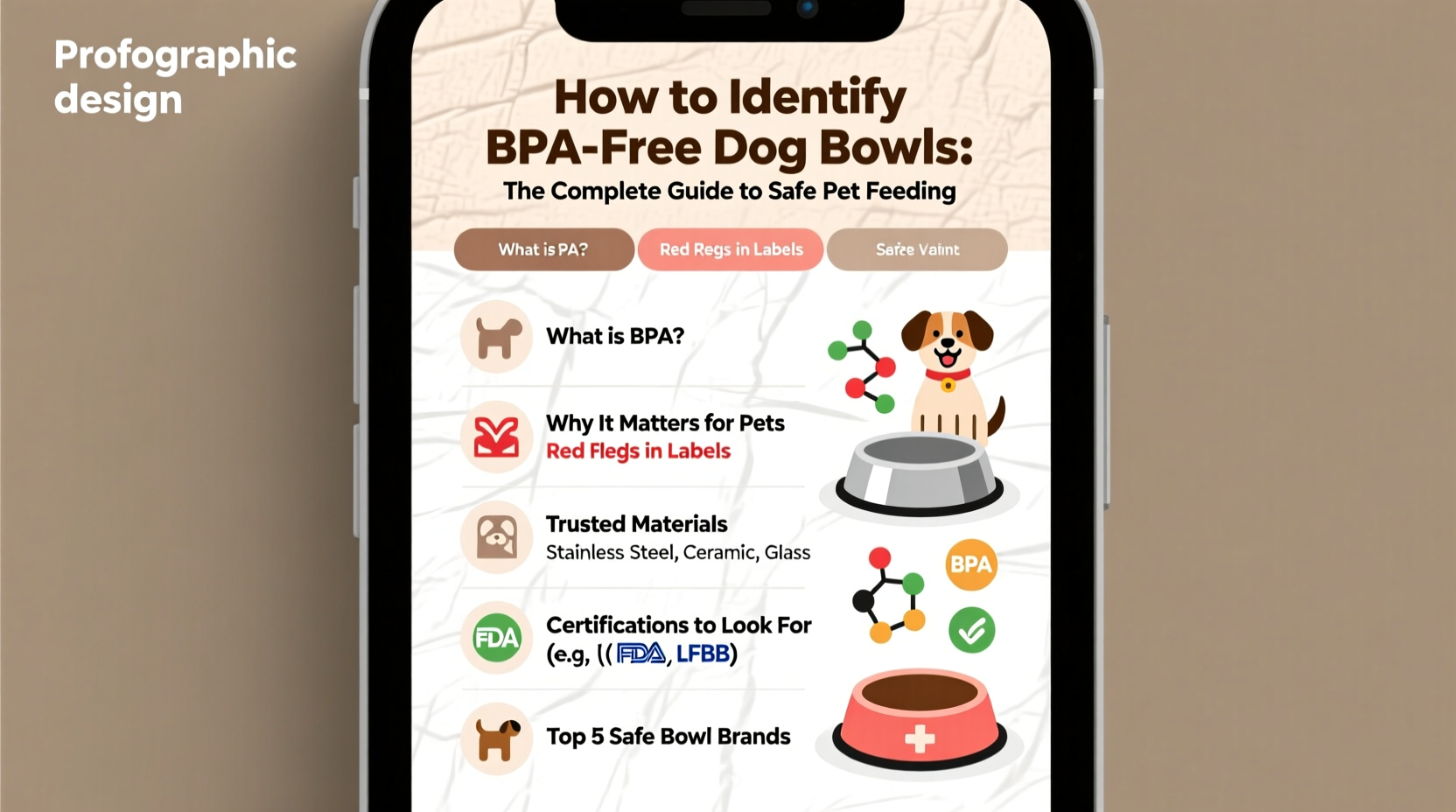
Bisphenol A (BPA) is an industrial chemical used since the 1960s to make hard, clear plastics and epoxy resins. It’s commonly found in food containers, water bottles, and canned goods linings. When ingested, BPA can mimic estrogen in the body, disrupting normal hormone function. While much research has focused on human health, studies show that pets—especially dogs—are also vulnerable.
Dogs may be at higher risk due to their close contact with household items and their tendency to chew or scratch their bowls. Over time, micro-scratches in plastic bowls can leach BPA into food and water, especially when exposed to heat or detergents. The American Veterinary Medical Association (AVMA) notes that endocrine-disrupting chemicals like BPA may contribute to reproductive disorders, obesity, and behavioral changes in animals.
“Pets share our environment and are exposed to many of the same chemicals we are. Reducing BPA exposure starts with everyday items like feeding bowls.” — Dr. Laura Goodman, DVM, Environmental Veterinarian
Materials That Are Naturally BPA-Free (and Which to Avoid)
The safest way to ensure a BPA-free dog bowl is to choose materials that don’t require BPA in manufacturing. Not all non-plastic bowls are created equal, and some “eco-friendly” alternatives still carry risks if improperly made.
| Material | BPA-Free? | Pros | Cons |
|---|---|---|---|
| Stainless Steel | Yes | Durable, easy to clean, resistant to bacteria | Can be noisy; may dent over time |
| Ceramic | Usually yes | Heavy, stable, non-porous when glazed properly | Can chip or break; lead in low-quality glazes |
| Glass | Yes | Inert, no chemical leaching, easy to sanitize | Fragile; heavy; risk of breaking |
| Silicone | Typically yes | Flexible, lightweight, collapsible for travel | Less durable; can retain odors |
| Plastic (BPA-Free Labeled) | Sometimes | Affordable, lightweight, available in colors | Scratches easily; may contain other bisphenols (BPS, BPF) |
How to Verify a Bowl Is Truly BPA-Free: A Step-by-Step Guide
Labels can be deceptive. Terms like “eco-friendly,” “non-toxic,” or “food-safe” don’t guarantee the absence of BPA. Follow these steps to verify a bowl’s safety before purchase.
- Check for explicit “BPA-Free” labeling – Look for this phrase clearly printed on packaging or product descriptions. Avoid vague claims like “safe materials” without specifics.
- Review the material composition – If it’s plastic, confirm the type (e.g., polypropylene, Tritan). These are generally BPA-free but should still be handled carefully.
- Look for third-party certifications – Reputable brands often display FDA compliance, LFGB (German food-grade standard), or SGS test reports.
- Research the brand – Visit the manufacturer’s website. Transparent companies provide detailed information about sourcing, testing, and materials.
- Avoid painted or decorated plastic bowls – Coatings may hide lower-quality bases. In ceramic bowls, ensure paint is lead-free and fired at high temperatures.
- Contact customer support – If details are unclear, email the company directly. Ask: “Is this bowl tested for BPA and other bisphenols? Can you provide lab results?”
Real Example: Choosing the Right Bowl for a Poodle Mix
Sarah, a dog owner in Portland, noticed her 3-year-old poodle mix was developing skin irritations and seemed lethargic. After ruling out diet and allergies, she reviewed her pet’s daily items. She discovered his favorite blue plastic bowl had deep scratches from chewing. Though labeled “BPA-free,” further research revealed it was made with polycarbonate—a material historically associated with BPA unless specifically reformulated.
She switched to a stainless steel bowl with a rubber base to prevent sliding. Within weeks, her dog’s energy improved, and the vet noted clearer skin during his next check-up. While not conclusive, Sarah credits the change as part of a broader effort to reduce environmental toxins in her home.
Common Misconceptions About BPA-Free Bowls
- Misconception: “If it’s not labeled BPA, it’s safe.”
Truth: Many products contain BPS or BPF—chemical cousins of BPA that may carry similar health risks. - Misconception: “All ceramic bowls are safe.”
Truth: Low-cost ceramics, especially imported ones, may use lead-based glazes that leach into food. - Misconception: “Dishwasher-safe means toxin-free.”
Truth: High heat and detergents can accelerate chemical leaching in substandard plastics—even if initially BPA-free.
Essential Checklist for Buying a Safe Dog Bowl
Before purchasing any dog bowl, run through this checklist to ensure safety and durability:
- ✅ Made from stainless steel, glass, or certified ceramic
- ✅ Explicitly labeled “BPA-Free” (not just implied)
- ✅ Free of visible seams, layers, or cloudiness (signs of composite plastic)
- ✅ No strong chemical odor when unpacked
- ✅ Accompanied by transparency from the brand (website, testing info)
- ✅ Suitable for your dog’s size and eating habits (e.g., non-tip base for large breeds)
- ✅ Dishwasher-safe only if material is known to withstand heat without degradation
Frequently Asked Questions
Can I test a plastic bowl for BPA at home?
No reliable home tests exist for BPA detection. Lab testing using chromatography is required. Your best defense is choosing trusted materials and verified brands.
Are silicone bowls safe for dogs?
High-quality, food-grade silicone is generally safe and BPA-free. Ensure the product is 100% platinum-cured silicone and avoid cheap, off-gassing versions that smell like vinegar or rubber.
Do stainless steel bowls rust or react with food?
Grade 304 or 316 stainless steel is highly resistant to corrosion and does not react with food or water. Avoid bowls with mixed metals or poor welds, which can degrade over time.
Final Thoughts: Prioritizing Long-Term Health Over Convenience
Your dog’s feeding bowl is more than a dish—it’s part of their daily environment. While plastic options may seem convenient or budget-friendly, they often come with hidden risks that accumulate over time. Stainless steel, glass, and high-fired ceramic remain the gold standards for safety, durability, and ease of cleaning.
Identifying a truly BPA-free dog bowl requires attention to detail, skepticism of marketing language, and a willingness to prioritize health over aesthetics. By understanding materials, reading labels critically, and choosing reputable brands, you take a proactive step toward safeguarding your pet’s well-being.
💬 Have you switched to a BPA-free dog bowl? Share your experience or brand recommendations in the comments—your insight could help another pet parent make a safer choice today.








