
Dogs rely heavily on their senses, and hearing plays a vital role in their daily lives. Unfortunately, ear infections are among the most common health issues seen in canines—especially in breeds with floppy ears or those that swim frequently. Left untreated, these infections can lead to chronic pain, hearing loss, or even more serious complications. Recognizing the signs early and knowing how to respond can make all the difference in your dog’s comfort and long-term well-being.
Understanding Canine Ear Anatomy and Infection Types
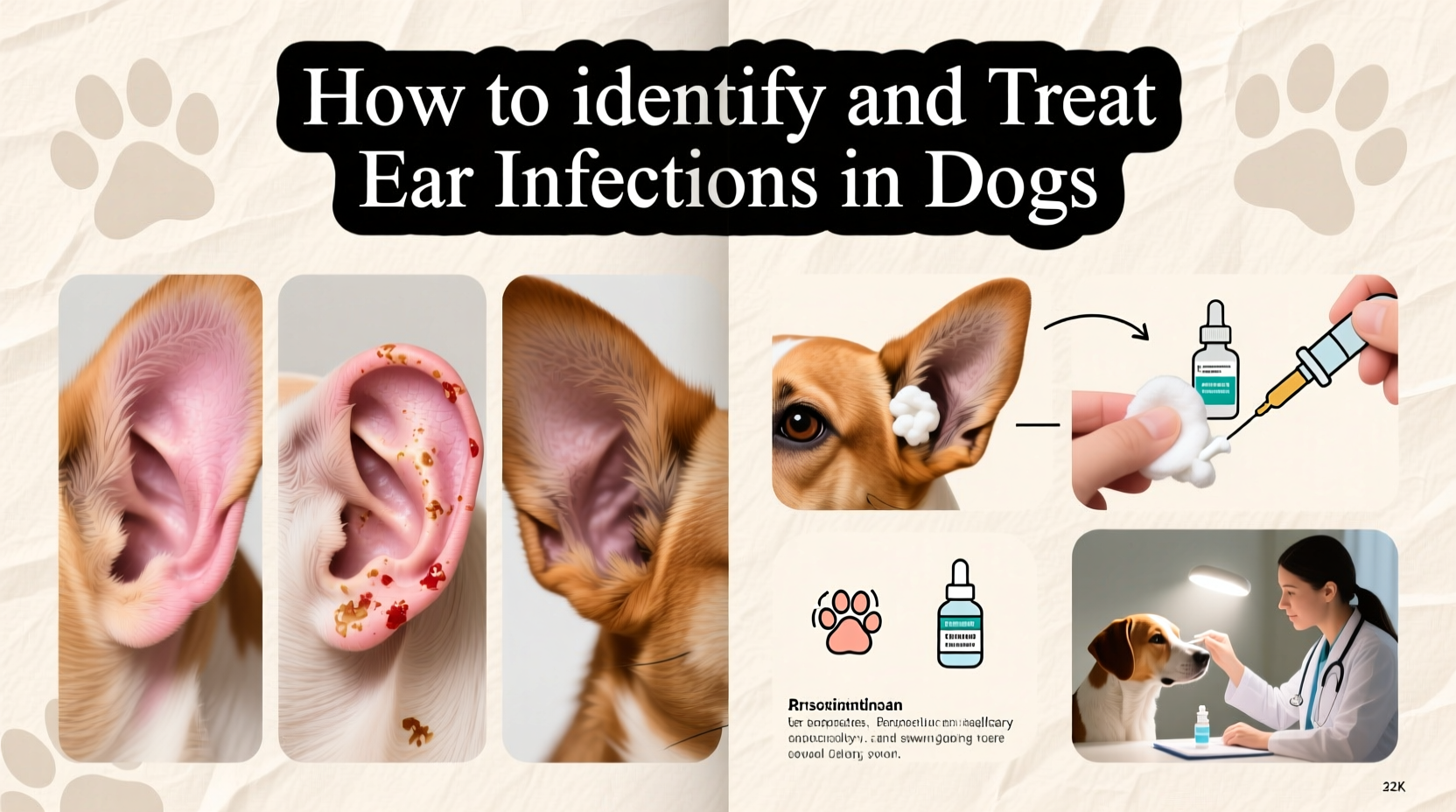
A dog’s ear canal is shaped differently than a human’s—it runs vertically before turning horizontally into the inner ear. This L-shaped structure makes it easier for moisture, debris, and pathogens to become trapped, increasing the risk of infection. There are three main types of ear infections in dogs:
- Otitis externa: Infection of the outer ear canal (most common).
- Otitis media: Middle ear infection, often progressing from untreated outer ear infections.
- Otitis interna: Inner ear involvement, which can affect balance and hearing and may lead to neurological symptoms.
Most cases begin as otitis externa but can escalate if not properly managed. Common culprits include bacteria (like *Pseudomonas* or *Staphylococcus*), yeast (*Malassezia*), ear mites, allergies, excessive moisture, foreign bodies, or hormonal imbalances.
Tip: Dogs with hairy ear canals, like Poodles or Bichon Frises, benefit from regular plucking to improve airflow and reduce infection risk.Recognizing the Signs of an Ear Infection
Dogs cannot verbally express discomfort, so it’s up to owners to watch for behavioral and physical clues. Early detection leads to faster treatment and prevents complications.
Common symptoms include:
- Frequent head shaking or tilting
- Scratching at one or both ears
- Redness, swelling, or warmth in the ear flap
- Unpleasant odor emanating from the ear
- Discharge (yellow, brown, black, or pus-like)
- Pain when touching the head or ears
- Loss of balance or disorientation (in severe cases)
- Hearing loss or unresponsiveness to sounds
“Ear infections are painful. If your dog flinches when you touch their head or avoids being groomed near the ears, take it seriously.” — Dr. Laura Simmons, DVM, Veterinary Dermatologist
Some dogs, especially those with chronic allergies, may develop recurring infections. Breeds such as Cocker Spaniels, Labrador Retrievers, and Bulldogs are particularly prone due to ear anatomy and skin sensitivity.
Step-by-Step Guide to Diagnosis and Treatment
If you suspect an ear infection, prompt veterinary evaluation is essential. Here’s what typically happens during diagnosis and treatment:
- Veterinary Examination: Your vet will use an otoscope to inspect the ear canal and eardrum. They’ll check for foreign objects, mites, or damage.
- Cytology Test: A swab of ear discharge is examined under a microscope to identify whether bacteria, yeast, or parasites are present.
- Culture (if needed): For chronic or resistant infections, a culture helps determine the exact pathogen and the most effective antibiotic.
- Treatment Plan: Based on findings, your vet will prescribe medication—typically ear drops containing antibiotics, antifungals, and anti-inflammatory agents.
- Follow-Up: Recheck appointments ensure the infection has cleared completely, especially important in recurrent cases.
Never attempt to treat an ear infection with over-the-counter remedies without professional guidance. Some medications can damage the eardrum if it's ruptured, and incorrect treatments may worsen the condition.
Administering Ear Medication at Home
Proper technique ensures effectiveness:
- Hold your dog securely, preferably with help if they’re anxious.
- Lift the ear flap straight up to expose the canal.
- Apply the prescribed number of drops directly into the ear canal.
- Massage the base of the ear gently for 20–30 seconds to distribute the medication.
- Allow your dog to shake their head—this helps loosen debris.
- Wipe away excess with a cotton ball (never use Q-tips deep in the canal).
Prevention Checklist for Pet Owners
Preventing ear infections is far easier than treating them. Follow this actionable checklist to keep your dog’s ears healthy:
- ✔ Clean ears monthly with a vet-approved ear cleaner
- ✔ Dry ears thoroughly after swimming or bathing
- ✔ Trim excess hair around and inside ear canals
- ✔ Manage underlying allergies with your vet’s guidance
- ✔ Avoid inserting cotton swabs or sharp objects into the ear
- ✔ Monitor for early signs, especially in high-risk breeds
- ✔ Schedule routine ear checks during wellness visits
Do’s and Don’ts of Canine Ear Care
| Do’s | Don’ts |
|---|---|
| Use veterinarian-recommended ear cleaners | Use alcohol, vinegar, or hydrogen peroxide without vet approval |
| Dry ears with a soft towel after water exposure | Allow moisture to linger in the ear canal |
| Inspect ears weekly for redness or odor | Ignore persistent scratching or head shaking |
| Seek veterinary care at first sign of infection | Delay treatment hoping it will resolve on its own |
| Follow full course of prescribed medication | Stop treatment once symptoms improve |
Real-Life Example: Bella the Beagle
Bella, a 4-year-old Beagle, started shaking her head excessively after a weekend at a lake. Her owner noticed a dark, waxy discharge and a foul smell. Though initially thinking it was just water trapped in her ears, Bella became increasingly irritable and avoided having her head touched.
A vet visit revealed a severe yeast and bacterial infection caused by prolonged moisture exposure. Cytology confirmed *Malassezia* overgrowth. Bella was prescribed a medicated ear flush and a 14-day course of antimicrobial drops. Her owner diligently administered treatment and used a drying solution after future swims. Within three weeks, Bella was back to normal—with no recurrence in the following year thanks to preventive care.
Frequently Asked Questions
Can I clean my dog’s ears at home?
Yes, but only with a vet-approved ear cleaner and gentle technique. Over-cleaning can disrupt the ear’s natural pH and cause irritation. Limit cleaning to once a month unless otherwise directed.
Are some dogs more prone to ear infections?
Absolutely. Dogs with floppy ears (Cocker Spaniels, Basset Hounds), hairy ear canals (Poodles, Shih Tzus), or allergy conditions are at higher risk. Swimming dogs also face increased exposure to moisture-related infections.
How long does it take for a dog’s ear infection to heal?
With proper treatment, most uncomplicated infections improve within 5–7 days, but full resolution typically takes 10–14 days. Chronic or deep infections may require several weeks of therapy and follow-up care.
Conclusion: Protect Your Dog’s Hearing and Comfort
Ear infections in dogs are common but entirely manageable with vigilance and proper care. By understanding the signs, acting quickly, and maintaining a consistent prevention routine, you can protect your dog from unnecessary pain and complications. Remember, early intervention is key—don’t wait for symptoms to worsen. Your dog depends on you to notice when something’s wrong.
💬 Have experience with dog ear infections? Share your story or tips in the comments—your insight could help another pet owner avoid a painful situation.








