
Rib injuries are among the most painful and commonly misunderstood musculoskeletal issues. Whether caused by a fall, sports collision, or sudden coughing fit, rib trauma can significantly disrupt daily life. But not all rib pain is the same. Understanding the difference between a broken (fractured) rib and a bruised (contused) rib is crucial for proper treatment and recovery. Misdiagnosis or improper care can lead to complications like pneumonia, prolonged pain, or reduced lung function. This guide breaks down symptoms, diagnosis methods, treatment strategies, and recovery timelines to help you navigate rib injuries safely and effectively.
Understanding Rib Injuries: Fracture vs Contusion
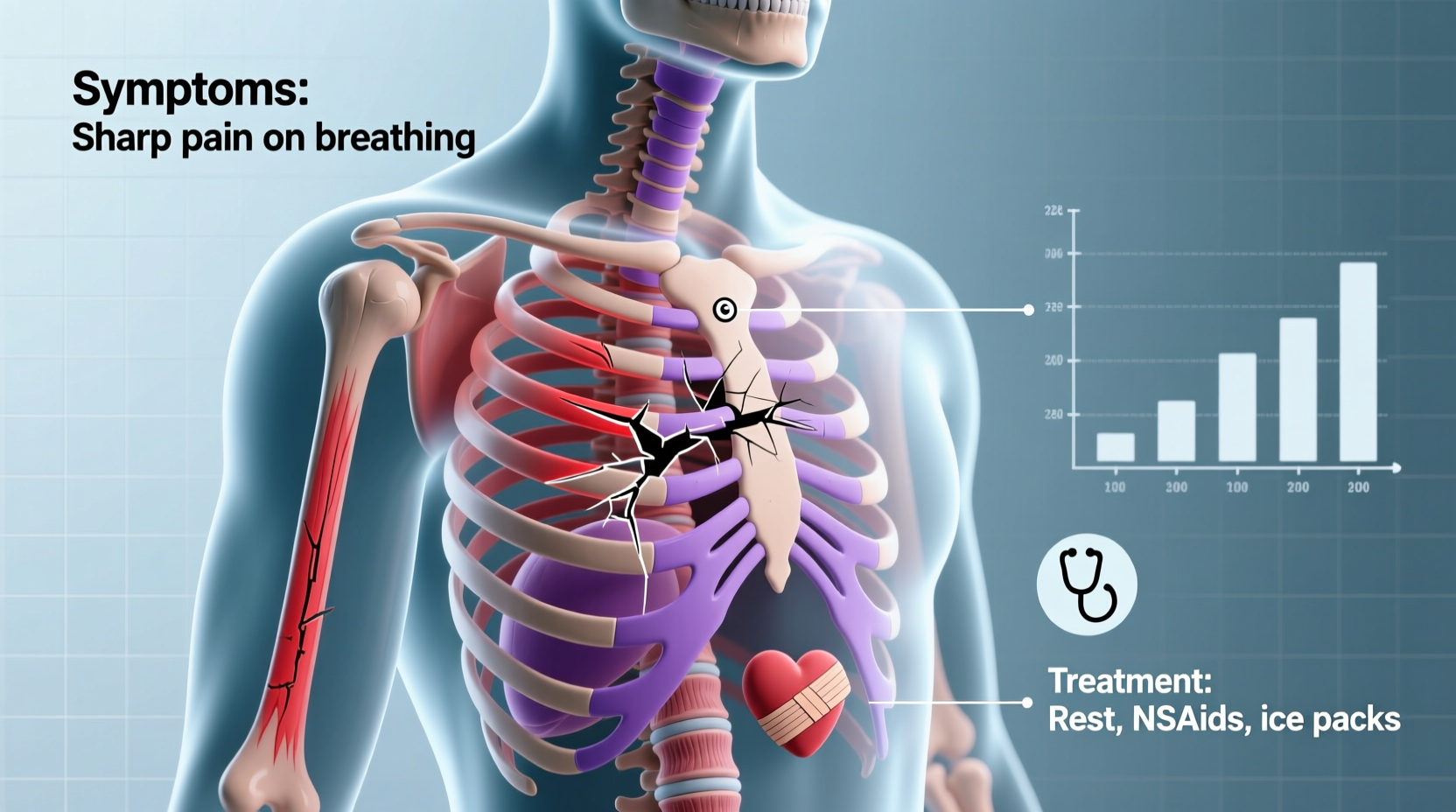
The human ribcage consists of 12 pairs of ribs protecting vital organs such as the heart and lungs. When force is applied to the chest—whether from blunt impact, compression, or repetitive strain—the ribs or surrounding tissues can be damaged. A rib fracture occurs when one or more ribs crack or break completely. A rib contusion, on the other hand, involves injury to the soft tissue or bone surface without a structural break.
While both conditions cause significant discomfort, they differ in severity, healing time, and risk of complications. Fractures often require longer recovery and carry higher risks, especially if multiple ribs are involved or if sharp bone fragments threaten internal organs. Bruised ribs, though painful, typically heal with rest and conservative care.
Tip: Never assume minor chest pain after trauma is “just a bruise.” Always seek medical evaluation to rule out fractures or internal damage.Key Symptoms: How to Tell the Difference
Distinguishing between a broken and bruised rib isn’t always straightforward, but certain signs point toward one condition over the other.
| Symptom | Bruised Rib | Broken Rib |
|---|---|---|
| Pain intensity | Moderate to severe, worsens with movement | Severe, sharp, often constant |
| Swelling or bruising | Common at impact site | May appear, but not always visible |
| Tenderness | Localized to one area | Sharp pain at exact fracture point |
| Crepitus (grating sensation) | Never present | May feel grinding when breathing or moving |
| Deformity | None | Possible visible indentation or abnormal contour |
| Breathing difficulty | Mild, due to pain | More pronounced; may avoid deep breaths |
A hallmark sign of a rib fracture is crepitus—the feeling or sound of bones grinding against each other. While this symptom is rare, its presence strongly suggests a break. Additionally, people with fractured ribs often adopt a shallow breathing pattern to minimize pain, increasing the risk of atelectasis (lung collapse) or pneumonia.
“Patients with rib fractures are three times more likely to develop respiratory complications than those with contusions alone.” — Dr. Lena Patel, Trauma Specialist, Johns Hopkins Medicine
Diagnosis and Medical Evaluation
Self-diagnosis is risky. Only imaging tests can definitively confirm whether a rib is broken or bruised. X-rays are the first-line diagnostic tool, but they don’t always detect hairline fractures. In such cases, CT scans or MRI imaging may be necessary for accurate assessment.
Your doctor will also perform a physical exam, pressing gently along the ribcage to pinpoint the source of pain. They’ll assess your breathing, oxygen levels, and lung sounds to check for complications like pneumothorax (collapsed lung), which requires immediate intervention.
It’s important to note that children and older adults may present differently. Children’s ribs are more flexible, making fractures less common but still possible. Older adults, especially those with osteoporosis, are more prone to fractures even from minor trauma.
Step-by-Step: What to Do After Chest Trauma
- Stop activity immediately. Avoid any movements that worsen pain.
- Apply ice. Use a cold pack wrapped in cloth for 15–20 minutes every hour during the first 24–48 hours to reduce swelling.
- Stabilize breathing. Practice slow, controlled breaths to prevent lung complications.
- Seek medical attention. Visit an urgent care clinic or ER, especially if you have difficulty breathing, dizziness, or worsening pain.
- Follow up with imaging. Confirm diagnosis with X-ray or advanced scan as advised.
Treatment Strategies for Recovery
There is no casting or surgical fixation for most rib fractures—they heal naturally over time. The focus of treatment is pain control, prevention of complications, and maintaining lung health.
- Pain management: Over-the-counter NSAIDs like ibuprofen help reduce inflammation and pain. For severe cases, doctors may prescribe short-term opioids or use nerve blocks.
- Breathing exercises: Incentive spirometry—a device that encourages deep breathing—helps keep lungs expanded and reduces pneumonia risk.
- Activity modification: Avoid heavy lifting, twisting, or strenuous exercise until cleared by a physician.
- Nutrition support: Adequate protein, vitamin D, and calcium intake support bone healing.
Recovery Timeline Comparison
| Injury Type | Healing Time | Return to Activity | Notes |
|---|---|---|---|
| Bruised rib | 2–4 weeks | Light activity after 1 week | Pain usually resolves gradually |
| Single rib fracture | 6–8 weeks | Gradual return after 4–6 weeks | Higher risk of complications |
| Multiple fractures | 8–12 weeks | Medical clearance required | May need pulmonary monitoring |
Real-World Example: Recovering from a Sports Injury
Mark, a 34-year-old recreational rugby player, was tackled during a weekend game. He felt a sharp pain in his left chest and assumed it was a muscle strain. Over the next 48 hours, pain worsened with every breath, and he developed a mild fever. Concerned, he visited an urgent care clinic. An X-ray revealed a non-displaced fracture of the fifth rib. Mark was given a prescription for pain relief, instructed on breathing exercises, and advised to avoid contact sports for eight weeks. By following his care plan—including daily incentive spirometry and gradual mobility—he returned to light training in six weeks without complications.
His case underscores the importance of early diagnosis and proactive lung care. Without intervention, his shallow breathing could have led to a serious infection.
Do’s and Don’ts During Recovery
| Do | Don't |
|---|---|
| Use prescribed pain medication as directed | Take excessive opioids without supervision |
| Perform gentle breathing exercises daily | Suppress coughs—even if painful |
| Rest and avoid strenuous activity | Wrap the chest tightly (can restrict breathing) |
| Eat nutrient-rich foods to support healing | Smoke or vape (impairs bone and lung recovery) |
| Attend follow-up appointments | Ignore signs of infection or shortness of breath |
Frequently Asked Questions
Can you breathe normally with a broken rib?
It’s difficult but essential to maintain normal breathing patterns. Shallow breathing increases the risk of pneumonia. Using pain relief and practicing incentive spirometry can help manage discomfort while supporting lung health.
How do I know if my rib injury is getting worse?
Seek immediate medical help if you experience increasing shortness of breath, high fever, coughing up blood, chest tightness, or bluish lips or nails. These may indicate complications like a collapsed lung or infection.
Is surgery ever needed for broken ribs?
In most cases, no. However, recent advances have made surgical fixation an option for severe cases—such as multiple displaced fractures or flail chest (where a segment of the ribcage moves independently). Surgery is reserved for patients at high risk of respiratory failure.
Final Steps Toward Healing
Recovering from a rib injury demands patience and diligence. Whether you’re dealing with a bruise or a fracture, proper care prevents setbacks and supports long-term well-being. Focus on pain control, lung function, and gradual return to activity. Listen to your body, follow medical advice, and never rush the healing process.
💬 Have experience with rib injuries? Share your story or tips in the comments—your insight could help someone recover safer and smarter.








