Tattoos are more than body art—they’re personal expressions etched into the skin. But when aftercare goes wrong, what begins as a meaningful design can turn into a painful health concern. Infection is one of the most common complications during the healing process, especially when hygiene practices are overlooked. Recognizing early signs and taking prompt action can prevent long-term damage, scarring, or systemic illness. Understanding the difference between normal healing and infection is crucial for anyone who has recently been inked—or plans to be.
Understanding Tattoo Healing vs. Infection
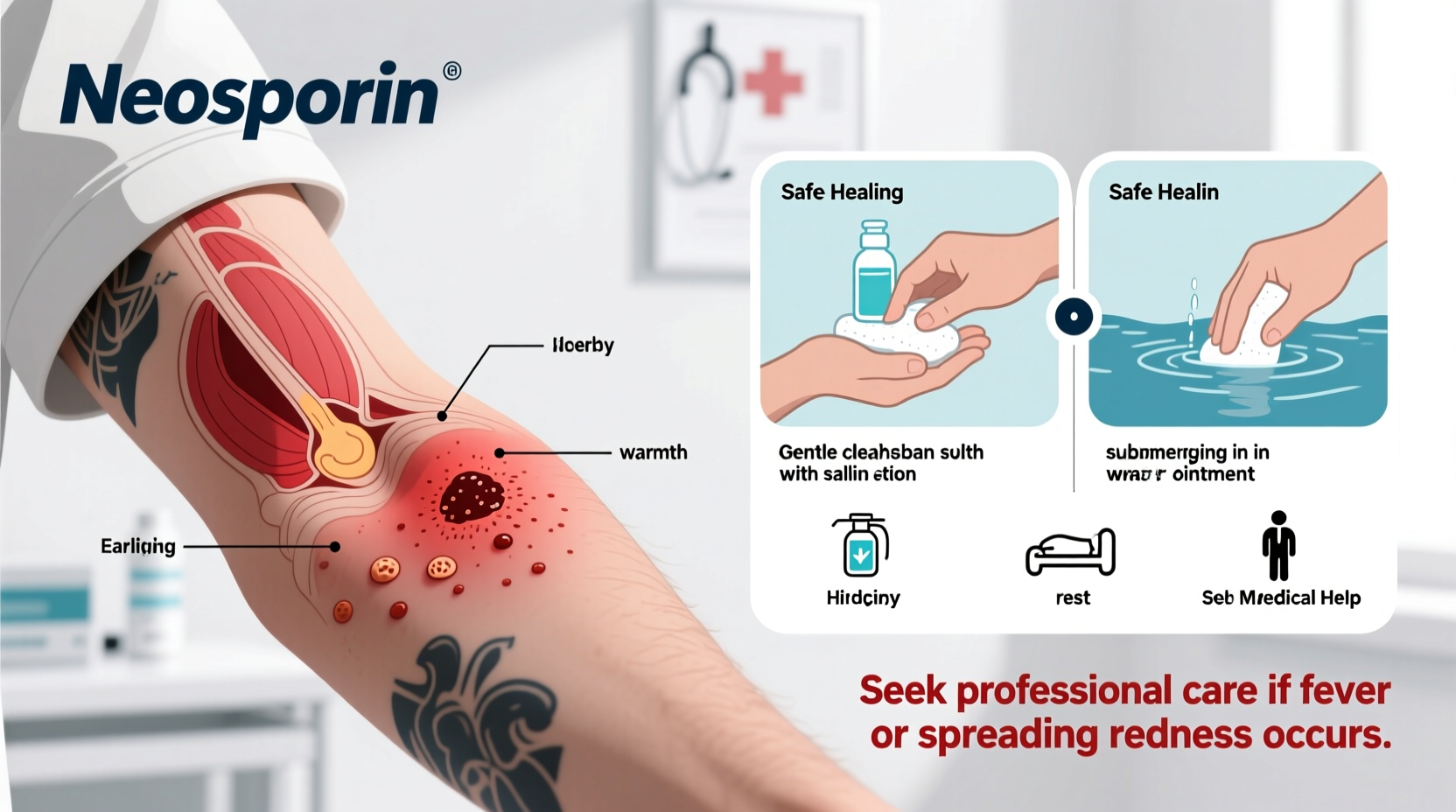
Every tattoo creates a controlled wound in the skin. The body responds with inflammation: redness, swelling, warmth, and mild oozing are expected in the first few days. This phase typically lasts 3–7 days before the skin begins to flake and peel like a sunburn. However, when symptoms intensify or persist beyond the first week, infection may be developing.
Infections occur when bacteria—most commonly *Staphylococcus aureus*—enter the open wound. This can happen due to unsterile equipment during the tattoo session, contaminated aftercare products, or poor personal hygiene afterward. Unlike irritation or allergic reactions, infections involve progressive worsening and often require medical treatment.
Tip: If redness spreads outward from the tattoo site or pus develops, seek medical evaluation immediately.Signs of an Infected Tattoo
Not all discomfort means infection. It’s important to distinguish between typical healing symptoms and warning signs that demand attention. Below is a comparison to help you assess your condition accurately.
| Normal Healing | Potential Infection |
|---|---|
| Light redness around the tattoo | Expanding redness spreading beyond the tattoo |
| Mild swelling that improves daily | Increasing swelling or tightness in the area |
| Clear or slightly cloudy fluid (plasma) | Thick, yellow, green, or foul-smelling pus |
| Itching during peeling phase | Intense pain, throbbing, or heat radiating from the site |
| Skin flakes lightly around day 5–7 | Crusting, blistering, or deep scabbing |
| No fever or fatigue | Fever, chills, swollen lymph nodes |
If three or more infection indicators are present, particularly pus, spreading redness, or fever, it's time to consult a healthcare provider. Delaying treatment can lead to abscess formation or even sepsis in rare cases.
Step-by-Step Guide to Treating a Suspected Infection
Early intervention greatly reduces the risk of complications. Follow this timeline to address a potential tattoo infection at home while preparing for professional care.
- Day 1 – Recognize & Isolate: Stop using any creams, lotions, or ointments not prescribed by a doctor. Avoid touching the tattoo with unwashed hands. Cover loosely with a clean, non-stick bandage if clothing causes friction.
- Day 1 – Contact a Healthcare Provider: Call your primary care physician or visit an urgent care clinic. Describe your symptoms clearly and mention the tattoo date and artist.
- Day 2 – Begin Medical Treatment: If diagnosed with a bacterial infection, you’ll likely receive a prescription for topical or oral antibiotics. Common options include mupirocin ointment or oral cephalexin.
- Days 3–7 – Monitor Response: Apply medication as directed. Clean the area gently with fragrance-free soap and water twice daily. Pat dry—never rub. Watch for improvement within 48 hours of starting antibiotics.
- After One Week – Reassess: If redness, pain, or discharge continues or worsens, return to your provider. You may need a stronger antibiotic or further testing.
“Tattoo infections are treatable, but timing matters. I’ve seen patients lose detail in their artwork because they waited too long to get help.” — Dr. Lena Torres, Dermatologist and Wound Care Specialist
Common Mistakes That Worsen Infections
Even with good intentions, well-meaning actions can delay healing. Avoid these pitfalls:
- Over-washing: Cleaning more than twice a day strips natural oils and irritates healing skin.
- Using alcohol or hydrogen peroxide: These substances kill beneficial cells and slow tissue repair.
- Applying thick ointments like petroleum jelly: They trap moisture and bacteria, creating a breeding ground.
- Scratching or picking scabs: This introduces new pathogens and increases scarring risk.
- Ignoring systemic symptoms: Fever or swollen glands mean the infection may have spread internally.
Real Example: A Preventable Complication
Jamal, a 28-year-old graphic designer, got a sleeve tattoo over a weekend. By day four, his forearm felt warm and tender. He assumed it was normal healing, so he applied coconut oil—a “natural” remedy he found online. Within two days, red streaks extended up his arm, and he developed a fever. Rushed to urgent care, he was diagnosed with cellulitis, a serious skin infection requiring intravenous antibiotics. His recovery took over three weeks, and part of the tattoo faded due to tissue damage.
His artist later explained: “We gave him aftercare instructions, but he didn’t follow them. Natural doesn’t always mean safe—especially on open wounds.” Jamal now advocates for proper education and urges others to trust medical guidance over internet trends.
Essential Aftercare Checklist for All New Tattoos
Prevention is the best cure. Whether you already have a tattoo or plan to get one, use this checklist to minimize infection risks:
- ✅ Choose a licensed studio with visible sterilization practices
- ✅ Confirm all needles are single-use and opened in front of you
- ✅ Wash hands before touching the tattoo (even during cleaning)
- ✅ Clean the tattoo 2x daily with lukewarm water and mild, unscented soap
- ✅ Pat dry with a clean paper towel—avoid cloth towels that harbor bacteria
- ✅ Apply a thin layer of recommended ointment or moisturizer
- ✅ Keep the tattoo uncovered unless exposed to dirt or friction
- ✅ Avoid swimming, saunas, and direct sun for at least 2–3 weeks
- ✅ Wear loose, breathable clothing over the area
- ✅ Never pick, scratch, or rush the peeling process
Frequently Asked Questions
Can I treat a tattoo infection without seeing a doctor?
Mild irritation can sometimes be managed with improved hygiene, but true infections involving pus, spreading redness, or fever require medical diagnosis and antibiotics. Self-treatment without professional input risks worsening the condition.
How long does it take for an infected tattoo to heal?
With proper antibiotic treatment, improvement should begin within 48 hours. Full recovery typically takes 7–14 days, depending on severity. More advanced infections may require longer courses of medication or additional interventions.
Will my tattoo look different after an infection?
Potentially. Severe infections can cause scarring, pigment loss, or blurred lines. Early treatment helps preserve both skin integrity and artwork quality. Touch-ups may be needed once fully healed.
Protect Your Art and Your Health
A tattoo is a lifelong investment in self-expression—but its longevity depends on how well you care for it in the first few weeks. Infection isn’t inevitable, but it is a real risk that demands awareness and action. By learning the warning signs, avoiding common mistakes, and seeking timely medical help, you protect not just your skin, but the meaning behind the ink.
Your body is the canvas. Treat it with the respect it deserves.
💬 Have experience with tattoo aftercare or infection? Share your story or advice in the comments to help others heal safely and confidently.








