Turtlenecks are a timeless staple in modern wardrobes—versatile, warm, and effortlessly chic. But not every turtleneck suits every body type. Wearing the wrong cut or fabric can add bulk, shorten your frame, or emphasize areas you'd prefer to downplay. The key to mastering this classic piece lies in understanding how different styles interact with your unique proportions. By aligning neckline height, fabric weight, fit, and silhouette with your body shape, you can elevate your look while feeling confident and comfortable.
Understanding Body Shapes and Turtleneck Compatibility
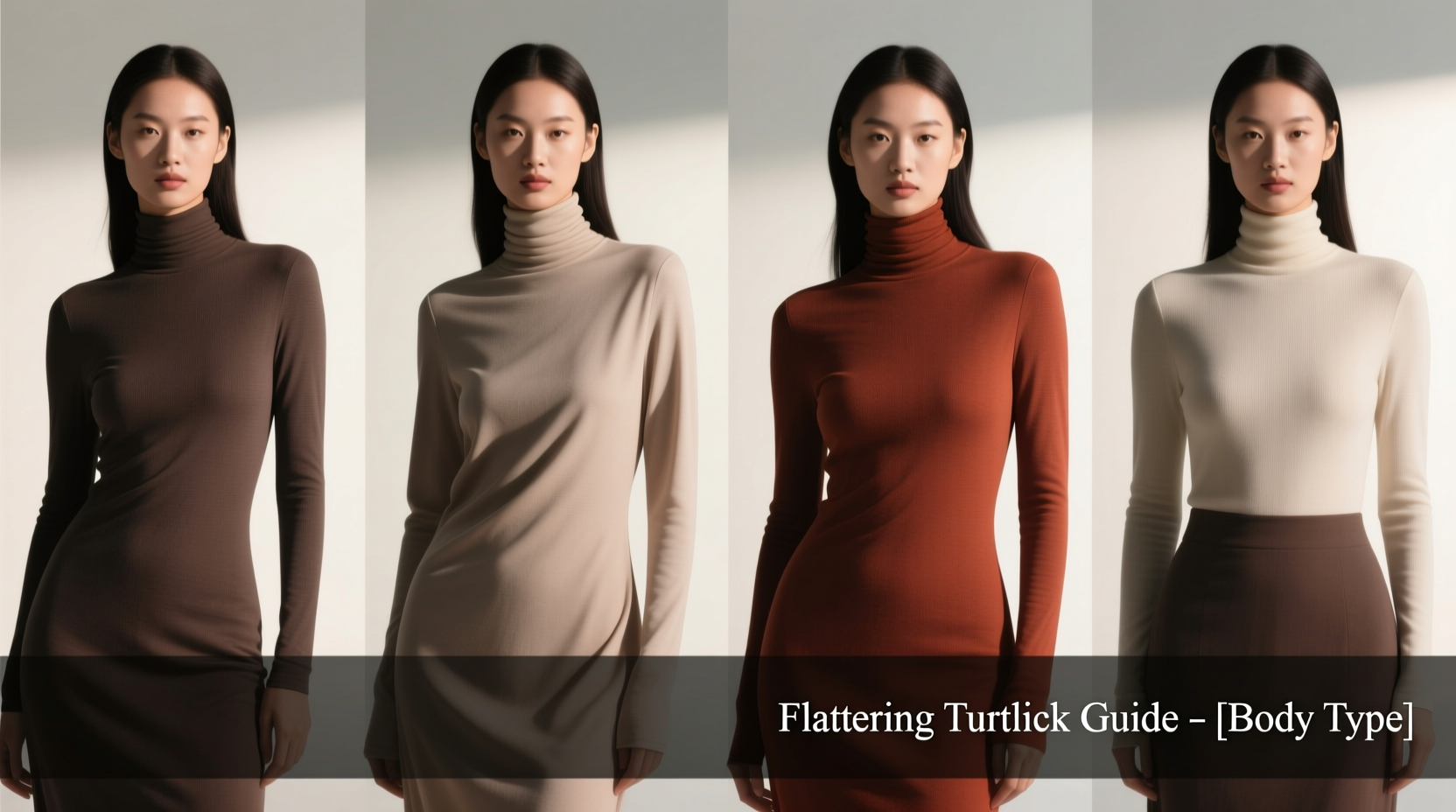
Body types generally fall into five categories: pear, apple, hourglass, rectangle, and inverted triangle. Each has distinct proportions that influence how clothing drapes and draws attention.
For instance, someone with an hourglass figure benefits from structured knits that highlight the waist, while those with a rectangular build may want added volume at the hips or shoulders to create curves. Apple shapes often do well with longer-line turtlenecks that elongate the torso, whereas pears can balance their silhouette with textured or embellished upper halves.
The turtleneck’s high neck and snug fit make it a powerful tool for shaping visual lines. When chosen correctly, it can elongate the neck, streamline the torso, or create balanced proportions. Missteps, however, can lead to a boxy appearance or unwanted emphasis on midsection fullness.
Tip: Always consider vertical lines—such as ribbing or seams—to elongate shorter torsos or petite frames.Finding the Right Fit by Body Type
No single turtleneck works universally. Tailoring your choice to your body shape ensures both comfort and aesthetic harmony.
Pear Shape (Hips wider than shoulders)
If your lower body is fuller, aim to draw attention upward. Opt for turtlenecks in bold colors, patterns, or textured fabrics like cable knits. A slightly looser fit through the torso avoids clinging to the hips, while a slim crew or mock neck keeps the focus on the face and shoulders.
Apple Shape (Broader midsection, narrower limbs)
Choose longer-length turtlenecks that extend past the hip. Asymmetrical hems or open-front layers worn over slim-fit turtlenecks create vertical movement and disguise the waistline. Fabrics with moderate stretch and drape—like merino wool blends—smooth without squeezing.
Hourglass Shape (Balanced bust and hips, defined waist)
This shape thrives in form-fitting styles. A close-knit, bodycon turtleneck in a rich hue enhances natural curves. Avoid overly bulky materials that mask your waist. Instead, go for ribbed knits that follow your contours and pair beautifully under blazers or tailored coats.
Rectangle Shape (Bust, waist, and hips nearly equal)
Create the illusion of curves with strategic volume. Try turtlenecks with ruching, side slits, or peplum details. Off-center zippers or asymmetric necklines break up straight lines. Layering with structured outerwear adds dimension.
Inverted Triangle (Broad shoulders, narrow hips)
Balance strong shoulders with softer lower silhouettes. Select fine-gauge turtlenecks in neutral tones to minimize top-heavy contrast. Avoid high-volume textures around the chest. Pair with wide-leg pants or A-line skirts to harmonize proportions.
“Fit is everything with turtlenecks. A quarter-inch too tight at the neck can distort posture and proportion.” — Lena Torres, Fashion Stylist & Fit Consultant
Key Style Elements That Make a Difference
Beyond body shape, several design features dramatically affect how a turtleneck flatters your form.
Neck Height and Tightness
A true turtleneck wraps once or twice around the neck. For shorter necks, a single roll or mock turtleneck prevents overwhelming the face. Tall or long-necked individuals can carry double rolls with elegance. Ensure the collar isn’t so tight it bunches under the chin or restricts movement.
Fabric Weight and Drape
Heavy knits add volume—ideal for slender builds but potentially overwhelming for petite or curvier figures. Lightweight merino, cashmere, or cotton blends offer sleekness and breathability. Stretch content (5–10% elastane) improves mobility and maintains shape after wear.
Sleeve and Hem Design
Cuffed sleeves create polish; dropped shoulders can soften angular frames. High-low hems or curved fronts help cover hip areas without adding visual weight. Straight hems work best when tucked into high-waisted bottoms.
| Body Shape | Best Neckline | Ideal Fabric | Avoid |
|---|---|---|---|
| Pear | Mock or slim turtleneck | Textured, medium-weight | Baggy torso, dark tops |
| Apple | Long-line, soft roll | Drapey, breathable blend | Short hems, stiff cotton |
| Hourglass | Fitted double roll | Ribbed, stretchy knit | Oversized cuts |
| Rectangle | Peplum or ruched | Medium texture with structure | Skinny smooth knits |
| Inverted Triangle | Single roll, minimalist | Lightweight, matte finish | Bulky shoulders, wide collars |
Real-Life Styling Example: Transforming a Wardrobe Staple
Take Sarah, a 5’4” professional with a pear-shaped figure. She avoided turtlenecks for years, believing they made her torso appear boxy. After a consultation, she tried a fine-gauge burgundy mock turtleneck with a slight front slit. The color drew attention upward, and the soft V-effect elongated her neckline. Paired with high-waisted, wide-leg trousers, the outfit balanced her proportions and boosted her confidence during client meetings.
The change wasn’t drastic—it was precise. The right fabric, color placement, and hem length turned a previously “unflattering” garment into a signature piece. This illustrates how small adjustments yield significant results.
Your Turtleneck Selection Checklist
Before purchasing or styling a turtleneck, run through this checklist to ensure optimal fit and effect:
- ✅ Measure your neck circumference to avoid choking collars
- ✅ Check the shoulder seam alignment—should sit just at the edge of your shoulder
- ✅ Assess fabric stretch and recovery—pull gently to test resilience
- ✅ Try layering it under your favorite blazer or coat to confirm ease of movement
- ✅ Evaluate the length: should cover waistband without excessive bunching
- ✅ Confirm color complements your skin tone and balances your proportions
- ✅ Move around: raise arms, sit down, twist slightly to test comfort
Frequently Asked Questions
Can short women wear turtlenecks without looking shorter?
Yes—choose single-roll or mock versions that don’t extend above the jawline. Pair with high-waisted bottoms to maintain leg-to-torso ratio. Vertical elements like long cardigans or center-front closures enhance length.
Are turtlenecks suitable for larger busts?
Absolutely. Look for styles with princess seams or darts that provide shaping. Medium-stretch fabrics prevent pulling across the chest. Avoid ultra-tight ribbing, which can create horizontal compression lines.
How do I stop my turtleneck from riding up?
Select a length that reaches at least to the top of your hips. Garments with silicone grip inside the hem or built-in stays resist shifting. Alternatively, use fashion tape along the inner waistband of your bottoms to anchor the shirt.
Final Thoughts: Style Meets Intention
Finding the perfect turtleneck isn’t about chasing trends—it’s about intentional selection. When you match cut, fabric, and silhouette to your body’s natural architecture, you transform a simple sweater into a statement of self-assurance. Whether you’re dressing for warmth, professionalism, or elegance, the right turtleneck acts as both armor and artistry.
Start by assessing your current wardrobe: identify what works and where discomfort arises. Then, apply these principles to your next purchase. Over time, you’ll build a collection of turtlenecks that don’t just fit—but flatter.
💬 Which turtleneck style transformed your look? Share your story in the comments and inspire others to dress with confidence.








