A well-chosen dog nest is more than just a cozy spot—it’s a foundation for your puppy’s physical development, emotional security, and long-term health. Too small, and your pup can’t stretch or grow comfortably; too large, and they may feel exposed or insecure. Selecting the right size involves understanding your puppy’s breed, age, sleeping habits, and future growth. With thoughtful planning, you can create a safe, supportive space that evolves as your dog does.
Why Nest Size Matters for Puppies
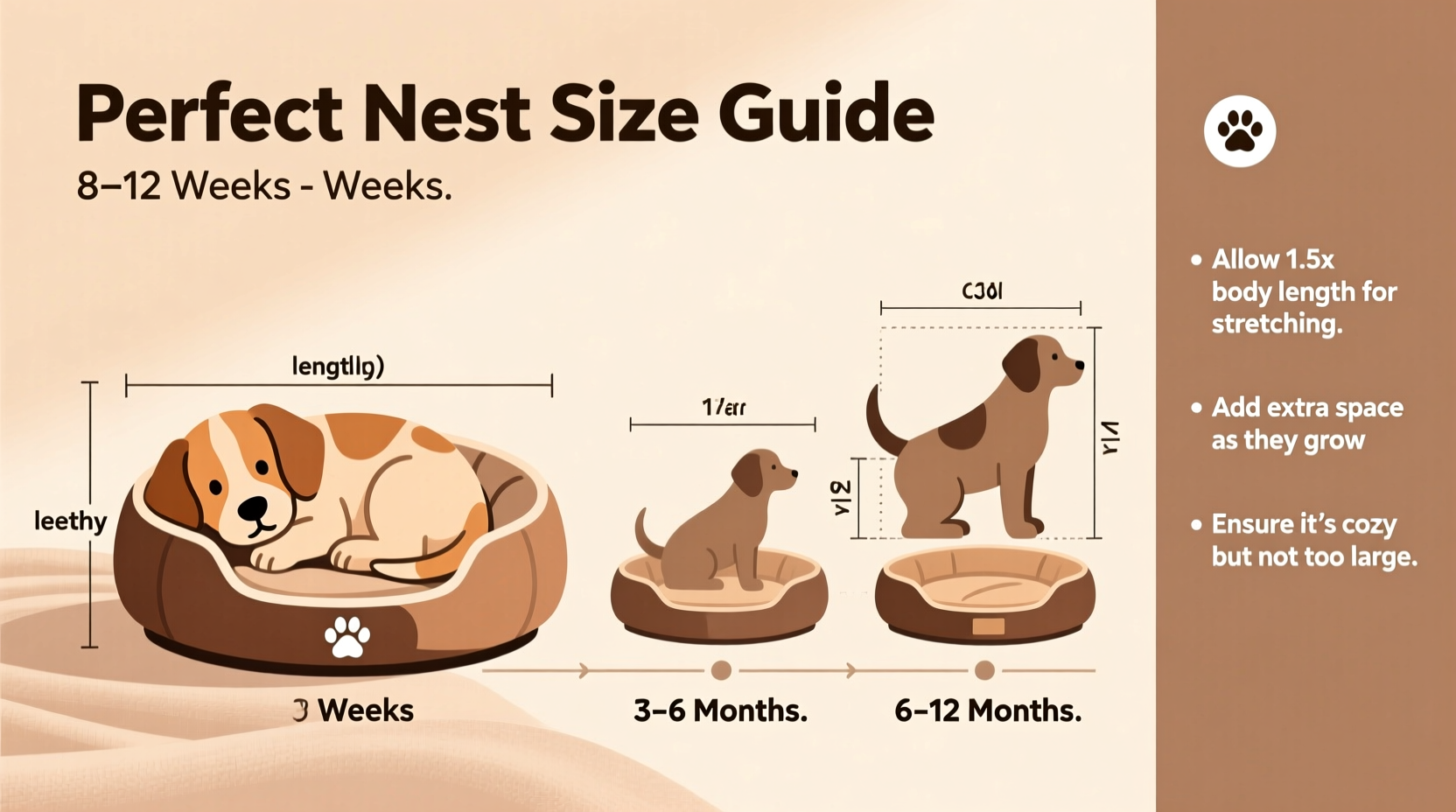
Puppies spend up to 18–20 hours a day sleeping during their first few months. This rest is critical for brain development, immune system strength, and muscle growth. A properly sized nest supports natural posture, prevents joint strain, and mimics the warmth and closeness of a litter environment. When a puppy feels secure in their sleeping area, they’re less likely to develop anxiety or behavioral issues later in life.
Nests that are ill-fitting can lead to problems. A cramped bed forces unnatural curling, which over time may affect spinal alignment—especially in fast-growing large breeds. Conversely, oversized nests lack the snug boundaries that provide psychological comfort, often leaving puppies restless or hesitant to settle.
Tip: Observe your puppy’s natural sleeping position—curled, stretched, or sprawled—to guide your size selection.Step-by-Step Guide to Measuring for the Ideal Nest
Finding the right fit isn’t guesswork. Follow these steps to ensure precision:
- Measure Your Puppy’s Length: From nose to tail base while lying down naturally. Add 6–8 inches for growing room.
- Check Height Clearance: Ensure the nest walls (if any) are low enough for easy access but high enough to retain warmth.
- Account for Growth: Research your breed’s expected adult weight. If your puppy will double in size, plan for expansion.
- Test the Fit: Place a blanket or temporary bed in the intended space and observe where your puppy chooses to lie.
- Adjust Over Time: Reassess every 4–6 weeks during rapid growth phases (typically under 6 months).
For example, a 10-pound Golden Retriever puppy at 8 weeks might measure 18 inches long. Adding 8 inches gives a minimum nest length of 26 inches. By 6 months, that puppy could weigh 40 pounds and need a 36-inch bed.
Breed-Specific Considerations and Growth Timelines
Different breeds grow at different rates. Small breeds like Chihuahuas reach maturity by 10 months, while Great Danes may take up to 18 months. Use this table to estimate appropriate nest sizing based on breed category:
| Breed Size | Average Adult Weight | Recommended Nest Size (Adult) | Growth Completion |
|---|---|---|---|
| Toy (e.g., Pomeranian) | 3–7 lbs | 20–24 inches | 6–10 months |
| Small (e.g., Beagle) | 15–25 lbs | 24–30 inches | 8–12 months |
| Medium (e.g., Border Collie) | 30–50 lbs | 30–36 inches | 12–15 months |
| Large (e.g., Labrador) | 55–80 lbs | 36–42 inches | 12–18 months |
| Giant (e.g., Mastiff) | 100+ lbs | 42–48+ inches | 18–24 months |
When selecting a nest for a mixed-breed puppy, err on the side of slightly larger if parent sizes are unknown. Adjustable or modular beds can bridge the gap during uncertain growth periods.
“Puppies need a den-like environment early on. The right-sized bed provides both physical support and emotional grounding during a vulnerable developmental stage.” — Dr. Lena Reyes, DVM, Canine Development Specialist
Choosing the Right Type of Nest for Your Puppy’s Needs
Not all dog beds are created equal. The structure and material impact both comfort and longevity. Consider these common types:
- Donut/Cuddler Beds: High edges offer head and neck support, ideal for small breeds or dogs who like to curl up.
- Flat Mats: Low-profile and easy to clean, best for warm climates or dogs who prefer to stretch out.
- Orthopedic Memory Foam: Recommended for larger breeds prone to hip dysplasia; supports joints as they grow.
- Crates with Built-in Beds: Provide containment and security; size the crate so the puppy can turn around and lie flat, then add a proportionate nest inside.
- Grow-with-Them Designs: Some brands offer insert systems or removable bolsters to adjust interior space as the puppy grows.
Avoid overly plush or deep-filled beds for young puppies—they can sink too far in, making movement difficult and increasing overheating risk.
Tip: Choose removable, machine-washable covers. Puppies are prone to accidents, and hygiene is crucial for skin and coat health.Real-Life Example: Choosing a Bed for a Growing German Shepherd Puppy
Sophia adopted a German Shepherd puppy at 9 weeks old. At the time, he weighed 12 pounds and measured 20 inches from nose to tail. Knowing the breed typically reaches 70–90 pounds, she consulted a breeder and veterinarian. They advised purchasing a medium-sized orthopedic bed (36 inches) rather than a small one, even though he seemed tiny in it initially.
To help him feel secure, Sophia placed a heated pad on one side and a soft blanket with his littermates’ scent on the other. She also added a rolled towel along one edge to simulate a barrier. Within days, the puppy began using the full space, eventually stretching out fully by 14 weeks. By 6 months, he filled the bed comfortably. Waiting until he was older would have delayed proper spinal support during a critical growth window.
Common Mistakes to Avoid
Even well-meaning owners make errors when selecting puppy nests. Here’s what not to do:
- Buying Only for Current Size: A bed that fits today may be obsolete in six weeks.
- Ignoring Material Safety: Avoid beds with toxic foams or non-breathable fabrics that trap heat.
- Placing the Nest in High-Traffic Areas: Puppies need quiet, low-distraction zones to rest deeply.
- Skipping Non-Slip Bottoms: Sliding beds can scare puppies and lead to avoidance.
- Using Adult Dog Recommendations Too Early: Puppies have different postural and thermal needs than adults.
Checklist: How to Confirm You’ve Chosen the Right Nest
Before finalizing your purchase or setup, go through this checklist:
- ✅ Puppy can lie flat and stretch all four legs without hanging off the edge.
- ✅ They can easily walk into and out of the nest without tripping.
- ✅ The bed allows for natural posture—no hunched back or strained neck.
- ✅ It fits within your designated puppy zone (crate, playpen, or bedroom corner).
- ✅ The material is durable, washable, and free of choking hazards (loose threads, buttons).
- ✅ You’ve planned for at least one size upgrade before adulthood.
FAQ
Can a puppy be too big for their nest even if they still fit?
Yes. If your puppy avoids lying down fully, consistently curls tightly, or shows signs of discomfort when settling, the nest may already be too restrictive—even if they technically fit. Growth spurts can happen rapidly.
Should I get a bigger bed so my puppy can ‘grow into it’?
Moderately larger is fine, but avoid excessively large beds. Puppies seek snug spaces for security. If the bed feels like a cavern, they may choose to sleep elsewhere. Use towels or inserts to temporarily reduce space if needed.
How often should I replace my puppy’s nest?
Inspect monthly for wear, sagging foam, or hygiene issues. Most puppies need a new bed every 6–12 months during growth. Signs include flattened cushioning, chewed edges, or persistent odors after washing.
Final Thoughts
Selecting the perfect dog nest is an investment in your puppy’s well-being. It’s not merely about comfort—it’s about supporting healthy development, reducing stress, and laying the groundwork for lifelong confidence. By measuring thoughtfully, planning for growth, and choosing quality materials, you create a sanctuary where your puppy can rest, recharge, and thrive.
💬 Have questions about your puppy’s sleeping setup? Share your experience or ask for advice in the comments below—we’re here to help every step of the way.








