
A cat collar is more than just an accessory—it’s a vital piece of pet gear that can ensure your cat’s safety, identification, and even protection from pests. But choosing the right collar size isn’t as simple as grabbing the nearest adjustable one off the shelf. An ill-fitting collar can cause discomfort, skin irritation, or worse—choking hazards if it snags on furniture or branches. Getting the fit just right requires precision, awareness of your cat’s behavior, and knowledge of modern safety features.
Whether you're introducing a collar to a kitten for the first time or replacing an old one for an adult cat, understanding proper sizing and fit is essential. This guide breaks down the process step by step, incorporating expert insights, real-world scenarios, and practical tools to help you make the best decision for your feline companion.
Why Proper Collar Fit Matters
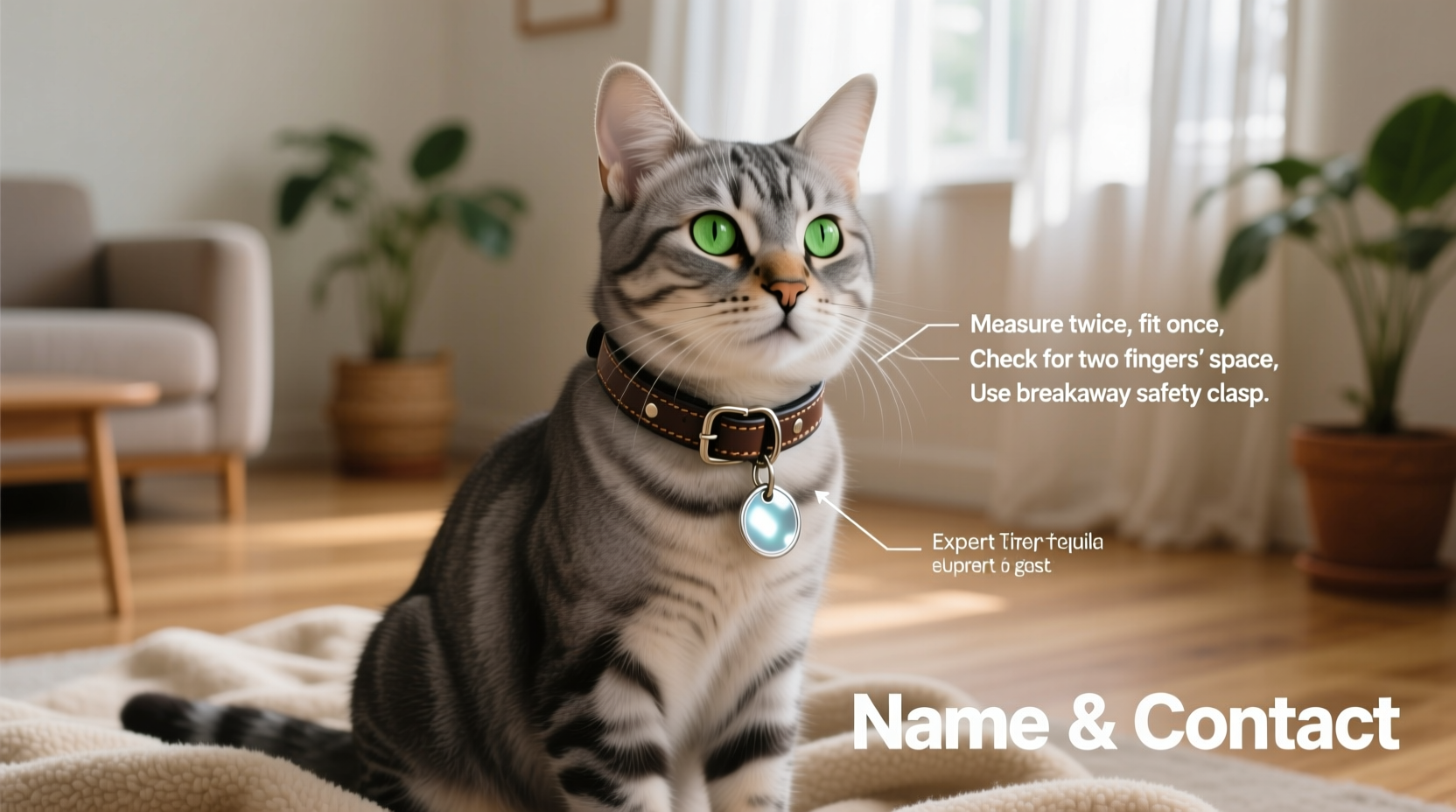
Cats are naturally agile and curious animals. They squeeze under furniture, leap onto high shelves, and explore tight spaces. A poorly fitted collar can become a dangerous liability in these situations. Too tight, and it restricts movement or causes sores; too loose, and it risks catching on objects or slipping off entirely.
Beyond physical safety, a well-fitted collar supports identification. According to the American Veterinary Medical Association (AVMA), microchipped cats with ID tags are returned home 38% more often than those without visible identification. A collar that stays securely—but safely—on your cat increases the chances of a swift reunion if they ever wander too far.
Tip: Always opt for breakaway collars if your cat spends any time unsupervised indoors or outdoors. These release under pressure to prevent strangulation.Step-by-Step Guide to Measuring Your Cat’s Neck
Finding the correct collar size starts with accurate measurement. Follow this five-step process for reliable results:
- Use a soft measuring tape – Rigid rulers won’t work. Use a cloth tape measure or a piece of string that you can later hold against a ruler.
- Measure snugly around the neck – Place the tape just behind the ears and below the jawline, where a collar would naturally sit. It should be close to the skin but not pressing into it.
- Add two fingers’ width – Once you have the base measurement, add room for growth and comfort. The standard rule is to allow enough space to fit two adult fingers between the tape and your cat’s neck.
- Recheck after grooming – Long-haired breeds like Maine Coons may appear larger due to fur volume. Measure after brushing to avoid overestimating neck size.
- Reassess regularly – Kittens grow quickly. Re-measure every 4–6 weeks until adulthood. Adult cats should be checked annually or whenever weight changes occur.
For example, if your cat’s neck measures 8 inches, and you add space for two fingers (about 1–1.5 inches), your ideal collar range becomes 9–9.5 inches. Choose an adjustable collar that fits within this span.
Choosing the Right Type and Size: A Comparison
Not all collars are created equal. Different materials, closures, and designs affect both fit and safety. Below is a comparison of common collar types based on safety, adjustability, and suitability.
| Type | Adjustable Range | Safety Features | Best For |
|---|---|---|---|
| Nylon Breakaway | 7–11 inches | Quick-release buckle, elastic panel | Indoor kittens and adults |
| Leather with Safety Snap | 8–12 inches | Breakaway clasp, durable material | Outdoor-access cats |
| Reflective Elastic | Fixed or limited stretch | Stretches up to 2 inches under force | Nighttime visibility seekers |
| Personalized ID Collars | Depends on base model | Must include breakaway feature | Cats needing permanent ID |
Always verify that any personalized or decorative collar includes a safety release mechanism. Fashion should never compromise function when it comes to pet safety.
Real Example: When a Loose Collar Led to Trouble
Sarah from Portland adopted a playful tabby named Milo. Excited to outfit him, she bought a stylish red collar with his name engraved. She didn’t measure properly, assuming “one size fits all” would suffice. Within days, Milo got stuck in a backyard fence—the oversized collar slipped over his head and caught on a metal spike.
Luckily, Sarah found him within hours, unharmed but stressed. Her veterinarian advised immediate replacement with a correctly sized breakaway collar. After measuring precisely and selecting a 9-inch nylon option, she tested the fit using the two-finger rule. Since then, Milo wears his collar safely during supervised outdoor time, and Sarah now checks the fit monthly.
This incident highlights how easily things can go wrong—even with good intentions. Accurate sizing and safety-conscious design aren’t optional; they’re essential.
“Collars should be snug enough to stay on during normal activity, but designed to come free under sudden tension. That balance saves lives.” — Dr. Lena Torres, DVM, Feline Behavior Specialist
Checklist: Ensuring a Safe and Comfortable Fit
Before putting a collar on your cat, run through this checklist to confirm everything is in order:
- ✅ Measured neck accurately using soft tape or string
- ✅ Added space for two fingers beneath the collar
- ✅ Selected a breakaway or quick-release style
- ✅ Adjusted the collar while your cat is calm and still
- ✅ Checked for rubbing or hair loss after 24 hours
- ✅ Attached ID tag (optional but recommended)
- ✅ Observed behavior—no excessive scratching or pawing at the neck
- ✅ Scheduled monthly fit checks, especially for kittens
If your cat resists wearing the collar initially, give them time to adjust. Start with short indoor sessions and offer treats to create positive associations.
Frequently Asked Questions
How tight should a cat collar be?
A cat collar should be snug but not restrictive. You should be able to fit two adult fingers comfortably between the collar and your cat’s neck. Any tighter risks discomfort; any looser increases the risk of entanglement.
Can I use a dog collar for my cat?
No. Dog collars are typically thicker, heavier, and lack breakaway mechanisms. They are not designed for a cat’s anatomy or escape behaviors and pose serious safety risks.
Should kittens wear collars?
Yes, but only if they are lightweight, properly sized, and feature breakaway clasps. Begin with soft nylon collars adjusted frequently as the kitten grows. Never leave a kitten unattended in a collar until you’ve confirmed a safe, comfortable fit.
Final Thoughts: Prioritize Safety Without Sacrificing Style
Finding the perfect cat collar size isn’t about fashion or convenience—it’s about responsibility. A well-fitted, thoughtfully chosen collar protects your cat from getting lost, injured, or distressed. By measuring accurately, selecting safety-first designs, and monitoring fit over time, you provide peace of mind for yourself and security for your pet.
Don’t wait until an accident happens to evaluate your cat’s collar. Take ten minutes today to measure, assess, and upgrade if needed. Your cat depends on you for their wellbeing, down to the smallest detail.
💬 Have a collar success story or fitting tip? Share your experience in the comments—your insight could help another cat owner make a safer choice.








