
Feeding two dogs may seem simple—just double the food, right? In reality, managing meals for multiple dogs requires thoughtful planning, nutritional awareness, and behavioral consideration. When done well, it supports their health, prevents conflict, and saves time and money. When overlooked, it can lead to imbalances, competition, or even household tension. This guide breaks down the real-world strategies for feeding two dogs efficiently while ensuring both receive balanced nutrition and positive mealtime experiences.
Understand Your Dogs’ Individual Needs
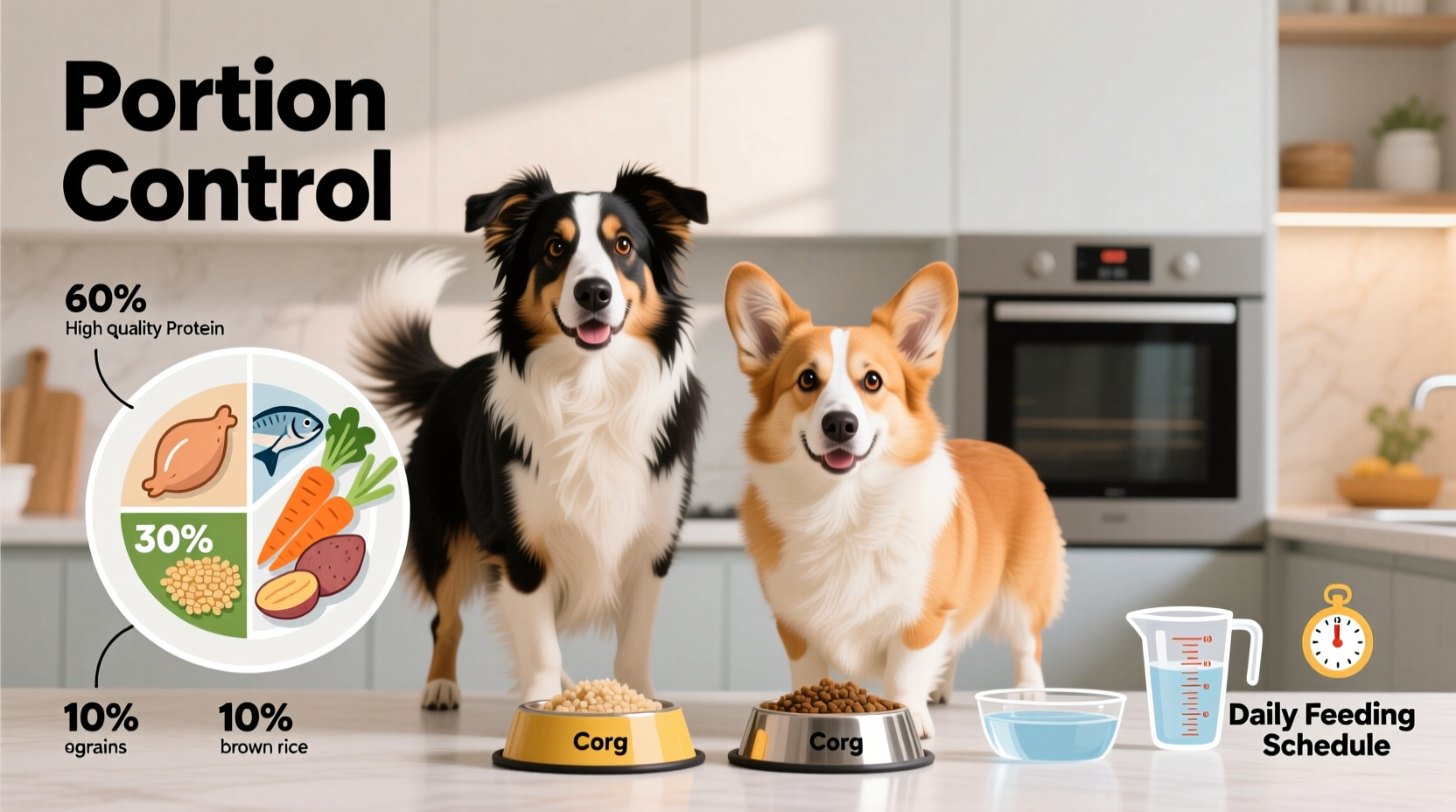
Dogs vary widely in age, size, breed, activity level, and medical history—all of which influence their dietary requirements. One dog might need a high-protein, low-fat diet due to weight concerns, while the other could require joint-support supplements because of arthritis. Assuming both dogs can eat the same food leads to long-term health issues.
A senior Labrador mix with limited mobility needs fewer calories than a young Border Collie who hikes daily. Similarly, a small terrier metabolizes food differently than a large-breed dog prone to bloat. Recognizing these differences is the first step toward efficient, effective feeding.
“Every dog is an individual. Feeding them the same way ignores their unique metabolic and physiological needs.” — Dr. Linda Chen, Veterinary NutritionistTip: Schedule a vet consultation to assess each dog’s ideal caloric intake, nutrient balance, and any special dietary restrictions.
Create a Structured Feeding Routine
Consistency reduces stress and improves digestion. Dogs thrive on predictability. A fixed feeding schedule helps regulate their metabolism, bathroom habits, and behavior.
Most adult dogs do best with two meals per day—morning and evening. Puppies, seniors, or dogs with medical conditions may benefit from three smaller meals. Stick to the same times daily, even on weekends.
Step-by-Step Daily Feeding Timeline
- 7:00 AM: Morning walk and water refill.
- 7:30 AM: Serve breakfast using designated bowls in separate zones.
- 12:00 PM: Check water levels; offer light snack if medically advised.
- 5:30 PM: Evening exercise.
- 6:30 PM: Serve dinner under supervision.
- 8:00 PM: Remove uneaten food after 20 minutes to prevent overeating or scavenging.
This routine minimizes begging, supports training, and makes monitoring appetite easier—especially important if one dog starts eating less, signaling potential illness.
Prevent Food Competition and Guarding
Resource guarding—where a dog becomes aggressive around food—is common in multi-dog homes. Even mild tension during mealtimes can escalate. To avoid conflict:
- Feed dogs in separate rooms or behind baby gates.
- Use timed feeders or crates if space is limited.
- Avoid hand-feeding near the other dog.
- Never allow one dog to steal from another’s bowl.
Physical separation doesn’t mean isolation—it teaches dogs that mealtime is safe and predictable. Over time, many owners can reintroduce shared spaces once trust and routine are established.
Mini Case Study: The Bickering Beagles
Sarah adopted a second beagle, Milo, six months after her first, Buddy. Initially, she fed them side by side. Within weeks, Buddy began growling when Milo approached his bowl. After consulting a trainer, Sarah started feeding them in separate kitchen corners with visual barriers. She also introduced “leave it” commands during meals. Within a month, both dogs ate calmly, and Buddy stopped guarding. The change wasn’t about dominance—it was about reducing anxiety through structure.
Tip: Use non-slip mats under bowls to prevent sliding, which can trigger insecurity in anxious eaters.Optimize Meal Preparation and Storage
Efficiency comes from smart systems. If you’re measuring kibble twice daily or storing open bags improperly, you’re wasting time and risking spoilage.
Dos and Don’ts of Dog Food Storage
| Do | Don’t |
|---|---|
| Store kibble in airtight containers to preserve freshness | Leave food in original bag exposed to air and moisture |
| Label containers with dog’s name and food type | Mix different diets in the same container |
| Keep food in a cool, dark pantry away from heat sources | Store near stoves, radiators, or windows with direct sunlight |
| Wash bowls weekly with hot, soapy water | Let residue build up, which attracts bacteria |
For households preparing fresh or homemade meals, batch-cook protein and vegetables weekly. Portion into labeled containers and refrigerate (up to 4 days) or freeze. Thaw as needed. This approach maintains control over ingredients while saving daily prep time.
Ensure Nutritional Balance Without Overspending
Balanced meals don’t have to be expensive. The key is reading labels, avoiding filler-heavy foods, and supplementing wisely.
Look for named protein sources (e.g., “chicken,” not “meat meal”) listed first on ingredient panels. Avoid artificial preservatives like BHA/BHT. If one dog has allergies, consider limited-ingredient diets rather than costly prescription brands unless directed by a vet.
Supplements such as fish oil or probiotics can be added directly to meals based on individual needs—no need to give them to both dogs unless necessary.
Checklist: Efficient & Balanced Feeding Plan
- ✅ Assess each dog’s calorie and nutrient needs with a vet
- ✅ Choose appropriate food types (dry, wet, raw, or homemade)
- ✅ Store food properly in sealed, labeled containers
- ✅ Set consistent feeding times (usually 2x/day)
- ✅ Feed in separate areas to prevent conflict
- ✅ Monitor weight and adjust portions every 3 months
- ✅ Rotate treats based on training goals and health needs
- ✅ Schedule annual dental and nutritional checkups
Tracking changes in weight, coat quality, energy, and stool consistency helps catch imbalances early. A simple journal or app note works well.
Frequently Asked Questions
Can I mix two different dog foods in the same bowl?
No. Mixing different formulations dilutes targeted nutrition and may cause digestive upset. Each dog should receive their specific diet separately.
What if one dog eats much faster than the other?
Fast eaters are at risk for choking and bloat. Use slow-feed bowls or place a clean tennis ball in the center of the bowl to force slower consumption. Always supervise meals until pacing evens out.
Is free-feeding okay for two dogs?
Generally not recommended. Free-feeding (leaving food out all day) makes portion control difficult, encourages overeating, and increases competition. Scheduled meals are healthier and more manageable.
Final Thoughts: Efficiency Meets Care
Feeding two dogs efficiently isn’t about cutting corners—it’s about creating a system that honors each dog’s health while simplifying your daily routine. With clear routines, proper separation, and tailored nutrition, mealtime becomes a calm, reliable part of your day instead of a chaotic chore.
The most successful multi-dog households aren’t those with identical routines for both pets, but those that respect individuality while maintaining order. When dogs feel secure and nourished, they’re not just healthier—they’re happier companions.
🚀 Start today: Evaluate your current feeding setup, make one improvement this week—like separating bowls or scheduling consistent times—and observe the difference. Share your experience or questions below to connect with fellow pet owners building better routines.








