For many riders—especially those involved in equestrian sports, trail riding, or therapeutic programs—horse head masks are essential tools. Whether used for fly protection, sun shielding, or medical recovery, a poorly fitted mask can lead to discomfort, skin irritation, behavioral issues, and even performance decline. Achieving the right balance between function and comfort is critical. A well-fitted mask supports your horse’s natural movement, protects sensitive areas, and reduces stress during wear. This guide delivers actionable strategies to optimize fit and comfort, ensuring both horse and rider benefit from a seamless experience.
Understanding the Purpose of Horse Head Masks
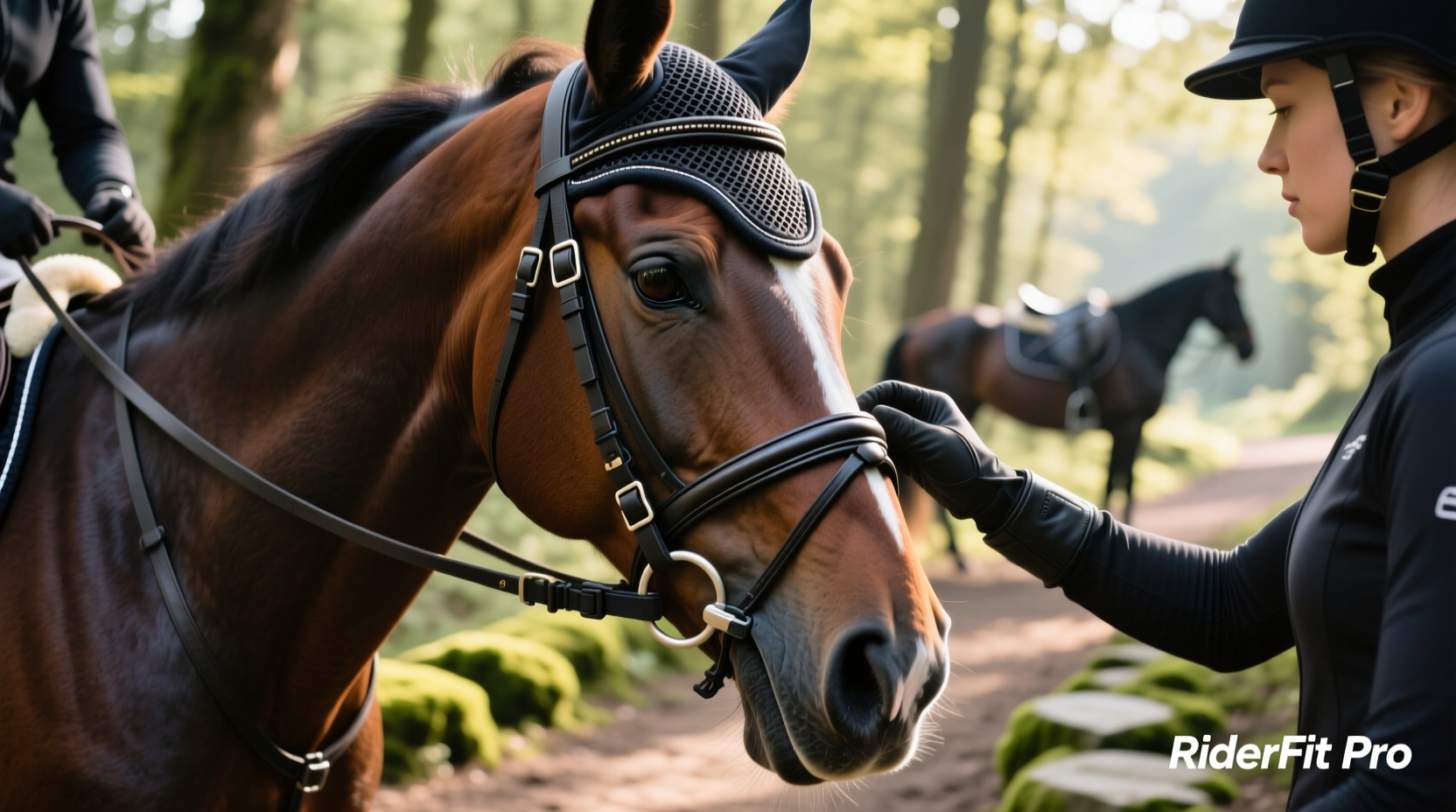
Horse head masks serve multiple roles depending on design and material. Common types include fly masks, UV-blocking masks, healing hoods, and sensory-reducing covers used during transport or veterinary procedures. Each type must be evaluated not only for its protective qualities but also for how it interacts with the horse’s anatomy. The facial structure of horses varies significantly by breed—Arabians have concave profiles, while draft breeds feature broad muzzles and large jowls. A one-size-fits-all approach rarely works.
Improperly designed or adjusted masks can press against the eyes, rub the ears, restrict chewing, or interfere with bit placement. Long-term use of ill-fitting gear may result in pressure sores behind the poll, chafing along the cheekbones, or even corneal damage if airflow is compromised around the eyes.
“Fit isn’t just about size—it’s about respecting the biomechanics of the horse’s head. Even minor misalignment can cause chronic discomfort.” — Dr. Laura Simmons, Equine Veterinary Specialist
Step-by-Step Guide to Proper Mask Fitting
Ensuring a correct fit requires attention to detail and an understanding of your horse’s unique conformation. Follow this sequence to evaluate and adjust any head mask effectively:
- Measure Key Dimensions: Use a soft tape measure to record the distance from the top of the poll to the nose tip, ear width at base, and circumference just below the eyes. Compare these to manufacturer sizing charts.
- Inspect Facial Landmarks: Identify high points such as cheekbones, eye orbits, and jaw angles that could create pressure zones under fabric tension.
- Try the Mask On-Ground First: Place the mask gently over the horse’s head without fastening fully. Check that the eye openings align precisely with the pupils and that no part pulls toward the ears or mouth.
- Adjust Straps Gradually: Most masks feature adjustable straps at the crown, chin, and sometimes behind the jaw. Tighten incrementally until snug but not restrictive—two fingers should fit comfortably under any strap.
- Observe During Movement: Walk the horse in hand for five minutes. Watch for head shaking, ear flicking, or attempts to rub the face—signs of discomfort.
- Recheck After 30 Minutes: Remove the mask and inspect skin for redness, moisture buildup, or hair displacement indicating friction.
Material Selection and Ventilation Strategies
The fabric composition plays a major role in comfort. Lightweight mesh panels improve breathability, especially around the eyes and muzzle, reducing fogging and sweat accumulation. However, overly thin materials may lack durability or UV protection. Look for multi-layered designs that combine fine mesh with reinforced stitching at stress points.
Consider seasonal needs: summer-specific masks often feature extended nose coverage and anti-insect coatings, while winter recovery hoods prioritize warmth and moisture-wicking properties. Avoid rubber-edged masks unless specifically recommended for medical use, as they tend to trap heat and restrict airflow.
| Feature | Recommended For Comfort | Avoid If… |
|---|---|---|
| Metal Eye Rims | No – can pinch or reflect sunlight into eyes | Horses with sensitive eyelids or light-reactive conditions |
| Elastic Ear Openings | Yes – allows natural ear movement | Tension causes folding or pinching |
| Ventilated Nose Panels | Highly recommended – improves airflow | Missing in hot climates or prolonged use |
| Chin Velcro Closures | Use cautiously – prone to rubbing | Horse shows signs of lower jaw irritation |
Real Example: Adjusting a Fly Mask for a Gaited Show Horse
Samantha Reed, a trainer based in Lexington, KY, noticed her Tennessee Walker, Duke, began tossing his head mid-walk during morning training. Initially assuming it was behavioral, she reviewed tack and discovered the new fly mask was slightly too narrow across the forehead. The elastic band behind the ears created constant low-level pressure, causing subtle distress amplified by motion. She switched to a wide-poll design with padded crown support and added a silicone grip strip inside the browband to prevent slippage. Within two days, the head-tossing ceased, and Duke’s focus improved noticeably in sessions. “It wasn’t defiance,” Samantha said. “It was discomfort we didn’t see because it wasn’t dramatic.”
Checklist: Ensuring Ongoing Comfort and Fit
- ✔️ Measure your horse’s head every season; swelling or weight changes affect fit
- ✔️ Inspect seams and straps weekly for fraying or stretching
- ✔️ Clean masks regularly with mild detergent to prevent bacterial buildup
- ✔️ Rotate between two masks to reduce continuous pressure on the same areas
- ✔️ Monitor behavior closely after introducing a new model or adjustment
- ✔️ Replace masks showing signs of deformation or loss of elasticity
Frequently Asked Questions
How tight should a horse head mask be?
A properly fitted mask should stay securely in place without shifting, yet allow two fingers to slide comfortably under any strap. There should be no visible indentations on the skin after removal, and the horse should show no resistance when being masked.
Can a poorly fitting mask affect my horse’s performance?
Yes. Discomfort from pressure points, restricted vision, or impaired hearing can lead to distraction, head-shaking, reluctance to move forward, or even spooking. In competitive settings, this can directly impact scores or safety.
How often should I replace a horse head mask?
Depending on usage, most masks last 3–6 months with daily wear. Signs it’s time to replace include stretched elastic, torn mesh, faded UV protection (check labeling), or persistent slipping despite adjustments.
Final Thoughts and Call to Action
Comfort and fit are not secondary considerations—they are foundational to ethical horsemanship. A horse that wears a head mask without irritation performs better, remains calmer, and builds greater trust with its handler. By applying thoughtful measurement, choosing appropriate materials, and monitoring responses over time, you elevate both welfare and partnership. Don’t wait for problems to arise. Reassess your current gear today using the steps outlined here. Small adjustments can yield significant improvements in your horse’s daily life.
💬 Have you made a recent change that improved your horse’s mask comfort? Share your experience in the comments—your insight might help another rider solve a persistent issue!








