Receiving a traffic citation or municipal violation can be stressful, but what’s more concerning is not knowing whether you’ve resolved it. An unresolved ticket—no matter how minor—can lead to escalating fines, driver’s license suspension, or even a warrant for your arrest. The good news: verifying whether you have an outstanding ticket is simpler than most people think. With the right tools and a few minutes of effort, you can stay ahead of penalties and protect your record.
Why Checking for Outstanding Tickets Matters
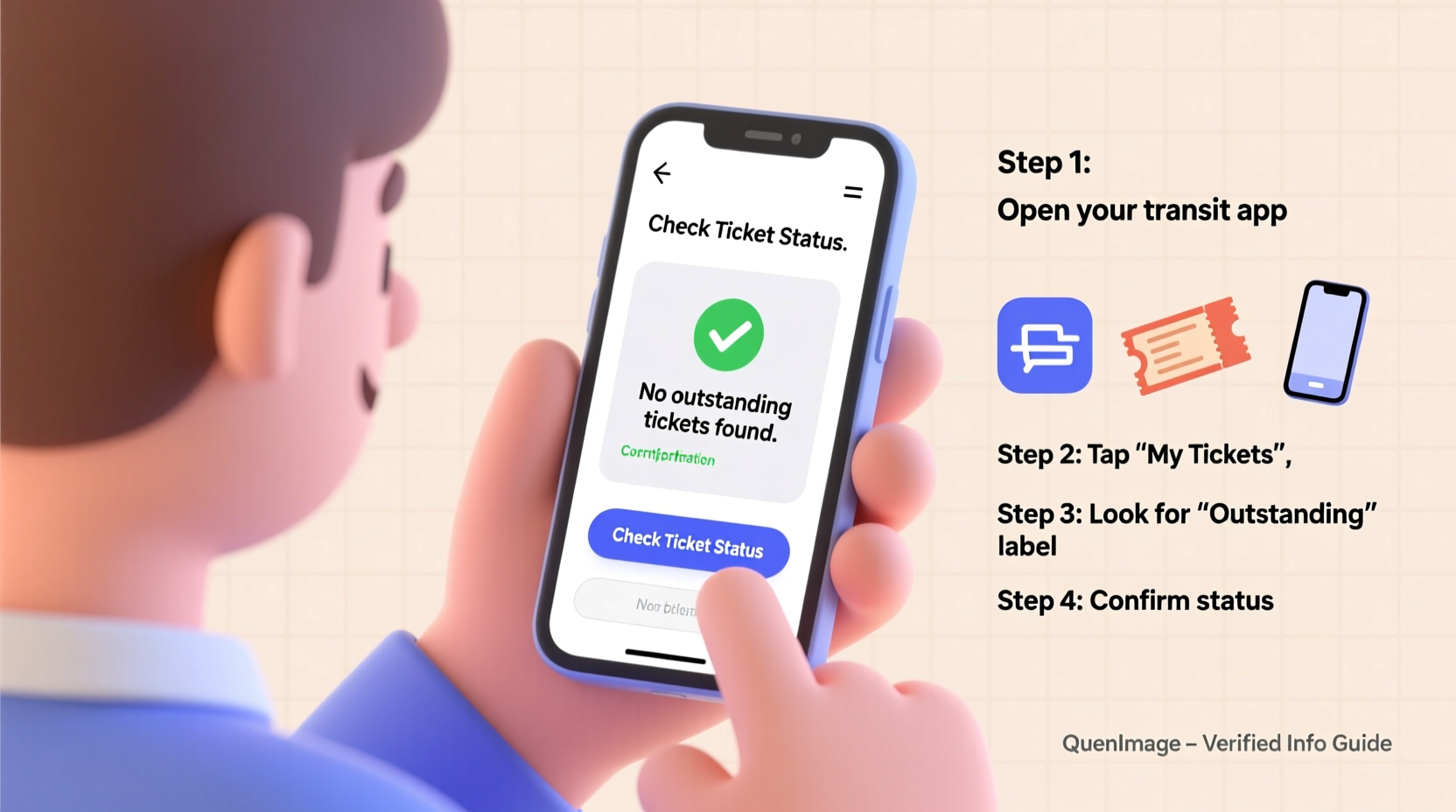
Many people assume that ignoring a small parking ticket or speeding citation will make it disappear. In reality, unpaid tickets accumulate interest, trigger administrative fees, and may result in serious consequences over time. For example, failing to address a moving violation could impact your insurance rates or disqualify you from employment requiring a clean driving record.
Municipalities across the U.S. and other countries maintain digital records of citations, making it easier than ever to access information online. Whether it’s a traffic infraction, parking fine, court summons, or code violation, early detection allows you to respond appropriately—whether that means paying the fine, contesting the charge, or requesting a payment plan.
Tip: Even if you believe you paid a ticket, always confirm its status through official channels—payment processing errors do happen.Step-by-Step Guide to Verify Your Ticket Status
Follow this structured process to determine whether you have any unresolved citations. This method works for most U.S. jurisdictions and can be adapted internationally with local equivalents.
- Gather Key Information: Before starting, collect your driver’s license number, vehicle registration plate number, date of birth, and any citation number you may have received. Having these details on hand speeds up searches.
- Identify the Issuing Jurisdiction: Determine where the ticket was issued—city, county, state, or federal authority. This helps narrow down which website or agency to contact.
- Visit the Official Government Website: Use only official domains ending in .gov (U.S.) or equivalent national domains (e.g., .gc.ca for Canada). Avoid third-party sites that charge convenience fees or may be fraudulent.
- Navigate to the Violations or Court Services Portal: Most departments of motor vehicles (DMV), municipal courts, or police departments offer online lookup tools under sections like “Outstanding Warrants,” “Traffic Citations,” or “Pay a Ticket.”
- Enter Required Details: Input your personal or vehicle information as prompted. Some systems allow lookup by license plate; others require your driver’s license number.
- Review Results: If a record appears, note the ticket type, due date, current balance, and next steps. Mark down any deadlines for response or payment.
- Document Everything: Take screenshots or print confirmation pages. Keep a log of dates checked and actions taken in case of disputes later.
Where to Check Based on Ticket Type
Different violations are managed by different agencies. Knowing where to look saves time and reduces confusion.
| Ticket Type | Responsible Agency | Recommended Lookup Method |
|---|---|---|
| Traffic Violation (Speeding, Running Red Light) | State DMV or Traffic Court | State DMV portal or county court website |
| Parking Ticket | City/Town Municipal Office | City’s parking enforcement website |
| Criminal Misdemeanor (DUI, Reckless Driving) | County or District Court | Court clerk’s public records search |
| HOA or Campus Violation | Private Entity (Not Public Record) | Contact HOA manager or university parking office directly |
| Federal Infraction (National Park, FAA) | Federal Agency | Agency-specific portal (e.g., NPS Fines, FAA Enforcement) |
Real Example: Maria’s Near Suspension Experience
Maria, a schoolteacher in Austin, Texas, renewed her vehicle registration online and was shocked when the system flagged an “outstanding hold” due to an unpaid speeding ticket from two years prior. She recalled receiving a notice but thought she had paid it via mail. After logging into the Travis County Justice of the Peace portal, she discovered the check had never cleared due to incorrect account information.
The original $150 fine had ballooned to $437 with late fees and a bench warrant fee. By acting quickly, Maria avoided license suspension, set up a payment plan, and had the warrant withdrawn within 48 hours. Her experience underscores how a simple annual check can prevent major disruptions.
“Most people don’t realize that one forgotten ticket can snowball into a crisis. We see drivers come in panic mode every week because their license was suspended over a $75 parking ticket they didn’t know existed.” — Officer Daniel Ruiz, Municipal Court Liaison, City of Seattle
Common Mistakes to Avoid When Checking for Tickets
- Using Non-Official Websites: Third-party sites often charge extra fees and may not provide accurate data. Always start with .gov sources.
- Assuming No Mail Means No Ticket: Notices can get lost in the mail or sent to outdated addresses. Proactive checking is essential.
- Waiting Until Renewal Time: Don’t wait until you renew your license or registration—by then, penalties may already apply.
- Ignoring Out-of-State Tickets: Many states participate in reciprocity agreements. An unpaid ticket in Georgia can affect your driving privileges in Ohio.
Checklist: How to Confirm and Resolve an Outstanding Ticket
Use this actionable checklist to ensure you cover all bases:
- ✅ Gather your driver’s license number and vehicle plate number
- ✅ Identify where the ticket might have been issued
- ✅ Visit the official government or court website (.gov preferred)
- ✅ Search using your personal or vehicle information
- ✅ Review all listed citations and their statuses
- ✅ Print or save confirmation of no outstanding tickets—or document existing ones
- ✅ If a ticket exists, decide: pay, dispute, or request a hearing
- ✅ Follow up after payment for written confirmation
Frequently Asked Questions
Can I go to jail for an unpaid traffic ticket?
Yes, in some cases. If a court issues a bench warrant due to failure to appear or repeated non-payment, law enforcement may arrest you. This is more common with moving violations than parking tickets, but policies vary by jurisdiction.
Will an outstanding ticket show up on a background check?
It depends. Criminal traffic offenses (like DUI) typically appear on background checks. Civil infractions (parking, speeding) usually don’t—but unpaid fines leading to warrants or suspended licenses may be visible in certain screenings, especially for jobs requiring driving.
What if I find a ticket issued in error?
You have the right to dispute it. Submit evidence such as photos, GPS data, or witness statements through the agency’s appeal process. Many jurisdictions allow online dispute forms, especially for red-light camera or parking tickets.
Stay Informed, Stay Compliant
Verifying your ticket status isn’t just about avoiding fines—it’s about maintaining control over your legal and financial well-being. A quick 10-minute check every six months can save you hundreds in fees, prevent unnecessary stress, and keep your driving privileges intact. Laws and enforcement practices vary, so staying informed through official channels is crucial.
Take action today. Visit your state’s DMV site or local court portal and run a search. Treat it like a routine part of personal maintenance—just as important as checking your credit report or updating your emergency contacts.
🚀 Don’t wait for a renewal notice or a court summons. Verify your status now and take charge of your responsibilities. Share this guide with friends or family who might benefit from a proactive approach to ticket management.








