
Luxury dog toys have surged in popularity, blending premium design with high-end branding that appeals to pet owners who treat their dogs like family—and fashion statements. From designer chew rings to embroidered plush animals, these products often carry price tags well above $50. But with rising demand comes a flood of counterfeit versions designed to mimic the real thing. These fakes may look convincing at first glance, but they often use subpar materials, lack safety certifications, and offer none of the durability or craftsmanship of authentic items.
Shopping online makes it easier than ever to fall for a scam—especially when listings are polished, reviews appear legitimate, and prices seem “too good to be true.” The good news? With the right knowledge, spotting a fake luxury dog toy doesn’t require expert training. A few careful checks can save your dog from potential hazards and your wallet from waste.
Know the Hallmarks of Authentic Luxury Dog Toys
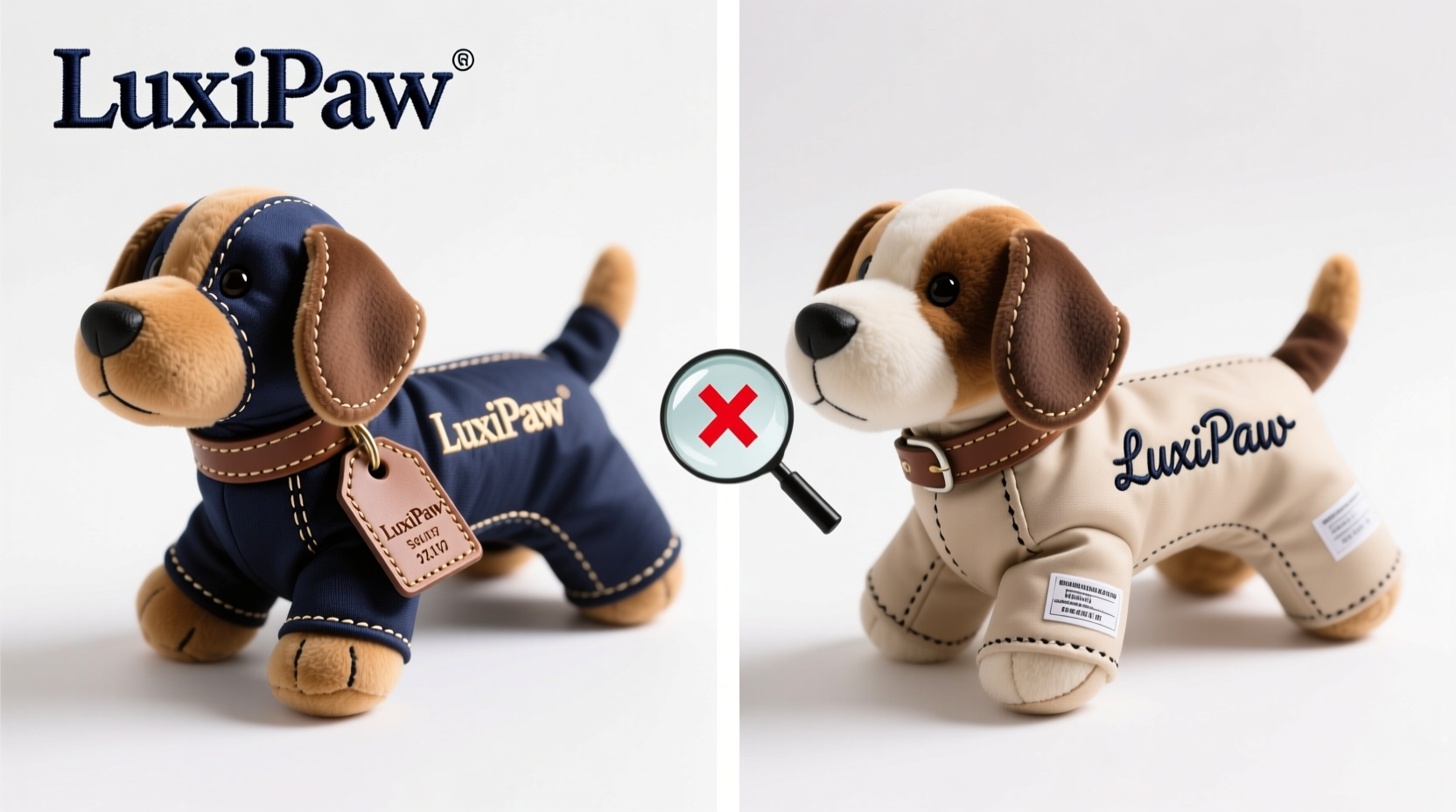
Genuine luxury dog toys aren't just about brand names—they reflect a standard of quality. Reputable brands like P.L.A.Y., West Paw, or designer collaborations such as those between Louis Vuitton and pet specialty lines invest heavily in material integrity, safety testing, and craftsmanship. Counterfeiters rarely replicate these aspects accurately.
Authentic luxury toys typically feature:
- Precise stitching with no loose threads or uneven seams
- High-quality, non-toxic materials (e.g., organic cotton, food-grade rubber)
- Clear, embossed, or woven branding that matches official product photos
- Safety labels or certifications (such as ASTM F963 or CE marking)
- Consistent color palettes and fabric textures across production batches
Fake versions often cut corners: using cheaper dyes that bleed, flimsy stuffing, or plastic components that crack after minimal use. One red flag is inconsistent branding—such as a misspelled logo or slightly off-color emblem. For example, a counterfeit version of a designer squeaky toy might display a distorted monogram pattern where the spacing between letters is irregular.
“Counterfeit pet products are not just about lost revenue for brands—they’re a real animal safety concern. Poorly made toys can shed toxic particles or break into choking hazards.” — Dr. Lena Patel, Veterinary Consumer Safety Advocate
Verify the Seller and Purchase Channel
Where you buy matters as much as what you buy. Even if a product looks authentic, purchasing from an unverified third-party marketplace increases risk significantly.
Stick to these guidelines:
- Buy directly from the brand’s official website whenever possible.
- If using marketplaces like Amazon or Etsy, confirm the seller is authorized. Look for badges like “Ships from and sold by [Brand Name].”
- Avoid unknown international sellers offering deep discounts—especially those based in regions known for counterfeit goods.
- Check the seller’s return policy and customer service responsiveness before purchasing.
Compare Product Details Side-by-Side
One of the most effective ways to catch fakes is direct comparison. Open the listing you're considering alongside the official product page on the brand’s website. Pay close attention to:
| Feature | Authentic Toy | Fake Toy (Common Differences) |
|---|---|---|
| Stitching Quality | Tight, even, double-stitched seams | Loose threads, skipped stitches, single-layer seams |
| Material Feel (described) | “Premium recycled polyester,” “natural rubber” | Vague terms like “special fabric” or “soft material” |
| Logo Placement | Consistently positioned, correct font/spacing | Misaligned, pixelated, or oddly scaled logos |
| Price | $65–$150 depending on design | Below $50 for high-end models |
| Packaging | Branded box or reusable pouch with care card | Bulk-packed in poly bags with no inserts |
Many counterfeit listings reuse official product images but fail to match small details. For instance, a fake version of a luxury rope toy may show the same braided design but use synthetic fibers that don’t meet tensile strength standards, making them prone to fraying during play.
Read Between the Lines: Customer Reviews & Listings
Reviews can be powerful indicators—but only if you know how to read them critically. Fake listings often include staged positive feedback generated through incentives or bots. Watch for:
- Overly generic praise: “Amazing product!” with no specific detail
- Multiple reviews posted on the same day from new accounts
- Photos that look professionally shot rather than user-submitted
- Negative reviews mentioning “not as described,” “smells like plastic,” or “fell apart in two days”
A telling sign emerged last year when dozens of buyers reported receiving counterfeit versions of a popular organic cotton duck toy branded with a luxury label. While the listing showed five-star ratings, deeper inspection revealed over 70% of top reviews were submitted within a 10-day window—all praising identical features using nearly the same phrasing.
Mini Case Study: The $45 \"Designer\" Chew Ring Scam
Jessica M., a dog owner in Portland, bought what appeared to be a limited-edition lavender chew ring from a third-party Amazon seller. The photo matched the official product exactly, and the price—$45—was $30 less than retail. Within a week, her Border Collie began avoiding the toy, and Jessica noticed a chemical odor coming from it. She sent a sample to a local pet safety lab, which confirmed high levels of phthalates, a harmful plasticizer banned in children’s and pet products in the EU and U.S.
After reporting the item, Amazon removed the listing, and the manufacturer confirmed it was counterfeit. The real version used FDA-compliant TPR rubber and had a certification mark near the base—something missing entirely from the fake.
Step-by-Step Guide to Spotting Fakes Before You Click “Buy”
Follow this checklist every time you consider a high-end dog toy purchase:
- Open the official brand website in a separate tab and locate the exact model.
- Compare images side-by-side: zoom in on logos, seams, and packaging.
- Check the seller profile: Is it the brand or an authorized retailer?
- Review product description: Does it list materials, safety standards, and country of origin?
- Scan recent customer photos: Are there visible flaws or inconsistencies?
- Search for complaints: Google “[Brand] + [Product Name] + fake” to find consumer alerts.
- Trust your instincts: If something feels off, walk away.
FAQ
Can fake dog toys actually harm my pet?
Yes. Counterfeit toys often use low-grade plastics, toxic dyes, or poor construction that can lead to choking hazards, intestinal blockages, or chemical exposure. Some have been found to contain lead or phthalates, which are especially dangerous if ingested.
Are knockoffs legal if they don’t use the exact logo?
No. Even if a product avoids using a registered trademark, mimicking the distinctive design, color scheme, or branding style of a luxury item can still violate intellectual property laws. More importantly, these products bypass safety regulations required of legitimate manufacturers.
What should I do if I’ve already bought a fake?
Stop using the toy immediately. Report the listing to the platform (Amazon, eBay, etc.), file a dispute with your payment provider if applicable, and consider sharing your experience in customer forums to warn others.
Conclusion
Identifying fake luxury dog toys isn’t about suspicion—it’s about vigilance. As pet products become fashion accessories, the incentive to counterfeit grows. But armed with knowledge about materials, branding, and trusted sellers, you can protect both your dog’s health and your investment.
The next time you browse for that perfect designer fetch ball or handcrafted plush, take a moment to verify authenticity. It takes less than five minutes and could prevent a dangerous mistake. Your dog depends on you to choose wisely—make sure every toy earns its place in your home.
💬 Have you spotted a fake luxury dog toy recently? Share your story in the comments and help other pet owners stay alert.








