Plush toys are more than just playthings—they’re confidants, comforters, and constant companions in a child’s world. After a playdate, sleepover, or time at daycare, these beloved stuffed animals can pick up germs, saliva, food residue, and even allergens. While disinfection is essential, many parents hesitate, fearing that cleaning will leave their child’s favorite toy stiff, faded, or misshapen. The good news: it’s entirely possible to sanitize plush toys effectively while preserving their fluffiness and charm. With the right techniques, materials, and timing, you can maintain hygiene without sacrificing softness.
Understanding the Risks: Why Disinfection Matters
Children touch everything—and then touch their faces, eat snacks, or hug their plush friends tightly. A 2023 study published in *Pediatric Health and Environment* found that soft toys collected significantly more bacteria than hard-surfaced toys, especially after group interactions. Common pathogens like rhinovirus (common cold), streptococcus, and even respiratory syncytial virus (RSV) can survive on fabric surfaces for up to 48 hours.
While regular washing helps, standard laundering may not fully eliminate microbes, particularly if detergents are mild or water temperatures are low. That’s where targeted disinfection becomes necessary—especially during cold and flu season or after a sick playmate has handled the toy.
“Parents often overlook plush toys as germ reservoirs. Unlike plastic toys, they absorb moisture and organic matter, creating an ideal environment for microbial growth.” — Dr. Lila Chen, Pediatric Infectious Disease Specialist
Know Your Plush: Material Types and Care Labels
Not all plush toys are created equal. The first step in safe disinfection is identifying what your toy is made of. Check the care label—if one exists—for manufacturer instructions. When labels are missing or unclear, use visual and tactile cues to classify the material:
| Material Type | Water-Safe? | Machine Washable? | Best Disinfection Method |
|---|---|---|---|
| Polyester Fiber (Most common) | Yes | Usually | Machine wash + gentle disinfectant |
| Cotton or Organic Fabric | Yes, but prone to shrinkage | Hand wash preferred | Steam + vinegar soak |
| Silk or Delicate Blends | No | No | Dry mist + UV-C wand |
| Toys with Electronic Components | Absolutely not | No | Surface wipe + air purification |
| Antique or Handmade Stuffed Animals | Risky | No | Frozen treatment + spot cleaning |
When in doubt, assume the toy is delicate. It’s better to under-clean than to ruin a sentimental item. Always test any solution on a small, hidden area first—like the back seam or foot—to check for colorfastness and fiber integrity.
Tip: Keep a log of plush toy materials and cleaning history. Label storage bins by “washable” and “delicate” to streamline future cleaning.Step-by-Step Guide: Safe Disinfection Without Damage
The goal is to eliminate germs while minimizing stress on fibers. Follow this six-step process for reliable results across most plush toys:
- Pre-Treatment Inspection: Remove loose debris with a lint roller or soft brush. Check for loose seams, detached eyes, or stuffing leaks. Repair minor damage before washing to prevent worsening.
- Spot Clean Visible Soiling: Use a microfiber cloth dampened with a mix of 1 part white vinegar and 2 parts water. Gently dab stains—never scrub, which can fray fabric.
- Select Disinfection Method: Choose based on material (see table above). For machine-washable toys, proceed to step 4. For non-washables, skip to alternative methods.
- Wash with Care: Place the toy in a mesh laundry bag to reduce agitation. Use cold or lukewarm water (hot water can melt synthetic fibers). Add a capful of oxygen-based bleach (not chlorine) or a baby-safe disinfectant like Puracy Natural Laundry Detergent + Disinfectant. Run a gentle cycle.
- Drying Process: Air-dry flat on a clean towel, reshaping limbs and head gently. Avoid direct sunlight, which fades colors. If using a dryer, choose no heat or air-fluff mode with wool dryer balls to restore fluffiness.
- Final Softness Boost: Once dry, lightly brush the fur with a pet grooming brush or soft-bristle clothes brush. This restores loft and texture, making the toy feel like new.
Alternative Methods for Non-Washable Toys
For heirloom pieces, electronics, or fragile fabrics, avoid submersion. Instead, use one of these proven surface-safe techniques:
- Freezing Method: Seal the toy in a zip-top plastic bag and freeze for 24–48 hours. Freezing kills dust mites and many bacteria by crystallizing cellular fluids. Let thaw slowly at room temperature—do not microwave.
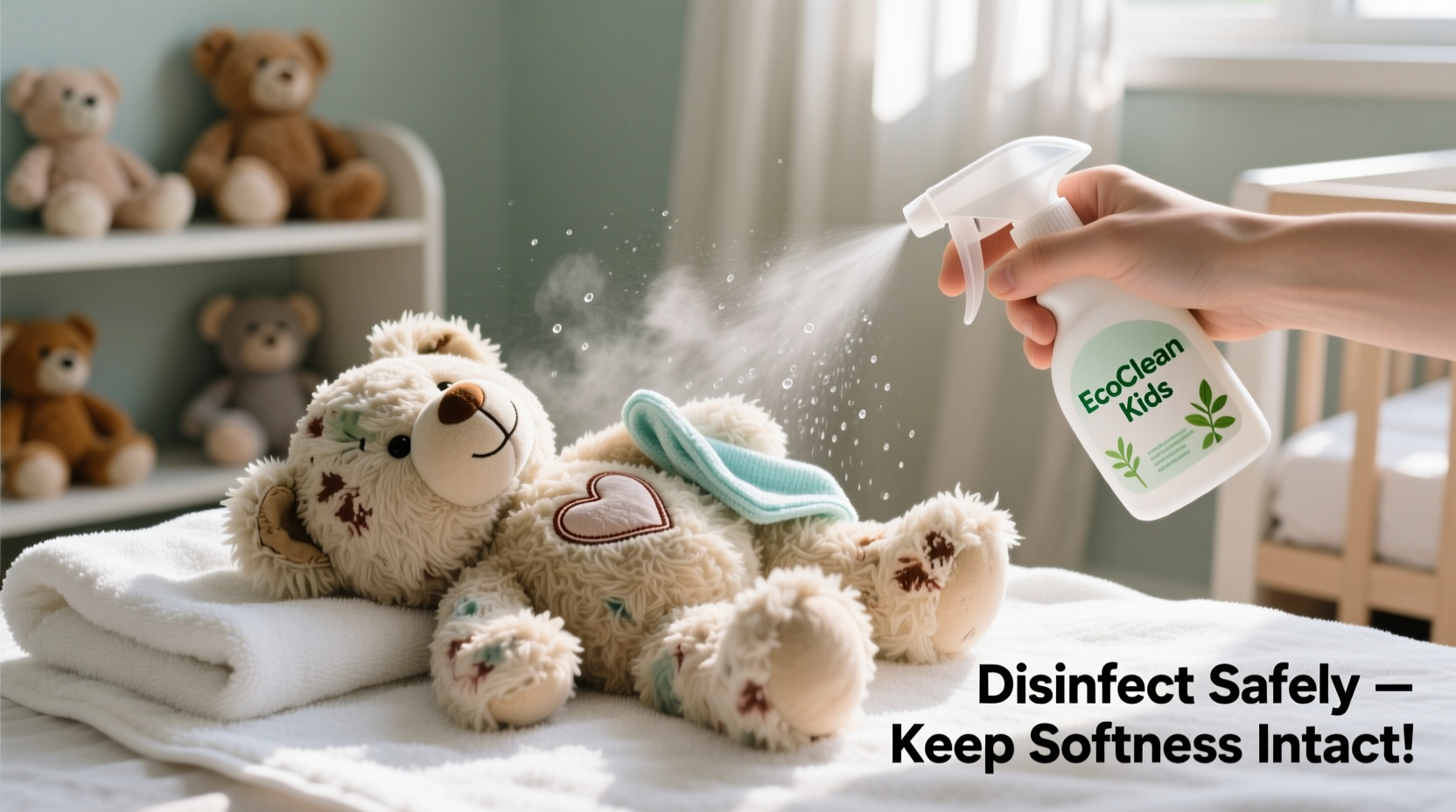
- Steam Sanitization: Use a handheld garment steamer held 2–3 inches from the surface. Steam penetrates fabric without soaking it, killing 99.9% of germs when applied evenly for 30 seconds per side. Ideal for cotton and polyester blends.
- UV-C Light Exposure: Pass a UV-C sanitizing wand slowly over all surfaces for 10–15 seconds per side. Effective against viruses and mold spores. Never shine on skin or eyes, and limit exposure to under 2 minutes total to prevent fiber degradation.
Real Example: Cleaning Lily’s Lamb After a Sick Playdate
Lily, age 4, returned from her friend Noah’s birthday party clutching her favorite lamb, Woolly. Within two days, three children in the group came down with stomach bugs. Concerned about contamination, Lily’s mom, Sarah, wanted to clean Woolly—but the lamb had delicate embroidery and a satin ribbon that could unravel.
Instead of machine washing, Sarah opted for a hybrid method. She vacuumed the surface with a brush attachment to remove dust, then spot-cleaned the mouth area with a vinegar-water solution. Since the toy was mostly polyester, she used a garment steamer on low setting, carefully moving it across each side. After steaming, she placed Woolly in a sealed container with baking soda overnight to neutralize odors. The next morning, she brushed the fleece gently with a pet comb. Woolly emerged fresh, germ-free, and still impossibly soft—Lily didn’t notice a thing.
This case illustrates how combining gentle techniques can yield powerful results without risking damage.
Do’s and Don’ts of Plush Toy Disinfection
“Over-cleaning can be as harmful as under-cleaning. The key is balance—effective sanitation without compromising material longevity.” — Marcus Reed, Textile Preservation Consultant
| Do | Don't |
|---|---|
| Use oxygen-based cleaners instead of chlorine bleach | Soak toys with glued-on eyes or plastic parts |
| Test solutions on inconspicuous areas first | Wring out wet plush toys—this damages stuffing |
| Refresh softness with a light brushing post-dry | Use high heat in dryers or irons |
| Rotate plush toys to reduce frequent washing | Store damp toys—this causes mildew and odor |
| Let toys air out between uses | Use strong chemical disinfectants like Lysol spray directly on fabric |
Checklist: How to Disinfect Plush Toys Safely
Follow this concise checklist every time you clean a plush toy:
- ✅ Inspect for damage and repair if needed
- ✅ Identify material type and check care label
- ✅ Pre-treat stains with vinegar-water or mild soap
- ✅ Choose appropriate method: wash, steam, freeze, or UV
- ✅ Use gentle, fabric-safe disinfectants
- ✅ Dry thoroughly—air drying preferred
- ✅ Restore fluff with brushing or fluffing
- ✅ Store in a clean, dry place away from humidity
FAQ: Common Questions About Cleaning Plush Toys
How often should I disinfect plush toys?
High-contact toys—those hugged daily or taken to group settings—should be disinfected every 2–3 weeks during cold season. In normal conditions, once a month is sufficient. After known illness exposure, clean immediately.
Can I use hydrogen peroxide on plush toys?
In diluted form (1 part 3% hydrogen peroxide to 3 parts water), it can be used for spot disinfection on white or colorfast fabrics. However, it may weaken fibers over time and cause yellowing in some synthetics. Test first and avoid on dark or vintage toys.
What’s the safest way to disinfect a toy with electronic sounds?
Never submerge or steam. Wipe surfaces with a cloth dampened with 70% isopropyl alcohol, then let air dry for at least 30 minutes. For odor removal, place in a sealed container with activated charcoal for 24 hours.
Preserving Softness: Long-Term Care Tips
Disinfection is only one part of plush toy maintenance. To keep them soft and huggable for years:
- Limit washing frequency: Over-washing degrades fibers. Spot clean between deep cleans.
- Use fabric conditioners sparingly: A quarter-cap of baby fabric softener in the rinse cycle can help, but excess leaves residue that attracts dirt.
- Rotate toys: Have a plush toy schedule so not all are in constant use. Resting allows fibers to recover.
- Store properly: Keep in breathable cotton bags or open shelves. Avoid plastic bins that trap moisture.
- Brush regularly: Weekly brushing prevents matting and distributes natural oils in synthetic fibers.
Conclusion: Clean, Cozy, and Confident
Disinfecting plush toys doesn’t have to mean sacrificing their softness or sentimental value. By understanding material types, choosing the right method, and following a careful process, you can ensure your child’s favorite companions stay both hygienic and huggable. Whether you opt for a gentle machine wash, targeted steaming, or non-invasive freezing, the key is consistency and respect for the fabric. These toys offer emotional comfort—your cleaning routine should protect that role, not undermine it.
💬 Have a go-to method for cleaning plush toys? Share your tips in the comments and help other parents keep their kids’ cuddly friends safe and soft!








