Feeding a puppy isn’t just about portion sizes and brand choices—it’s about timing. The transition from puppy food to adult dog food is a critical milestone that affects long-term health, energy levels, joint development, and even behavior. Many pet owners assume all puppies should switch foods around six months, but that’s not always accurate. The ideal window depends on breed, size, metabolism, and developmental milestones. Getting it wrong can lead to nutritional imbalances, stunted growth, or obesity. Understanding when and how to make this shift ensures your puppy grows into a strong, healthy adult dog.
Understanding Puppy Nutrition Needs
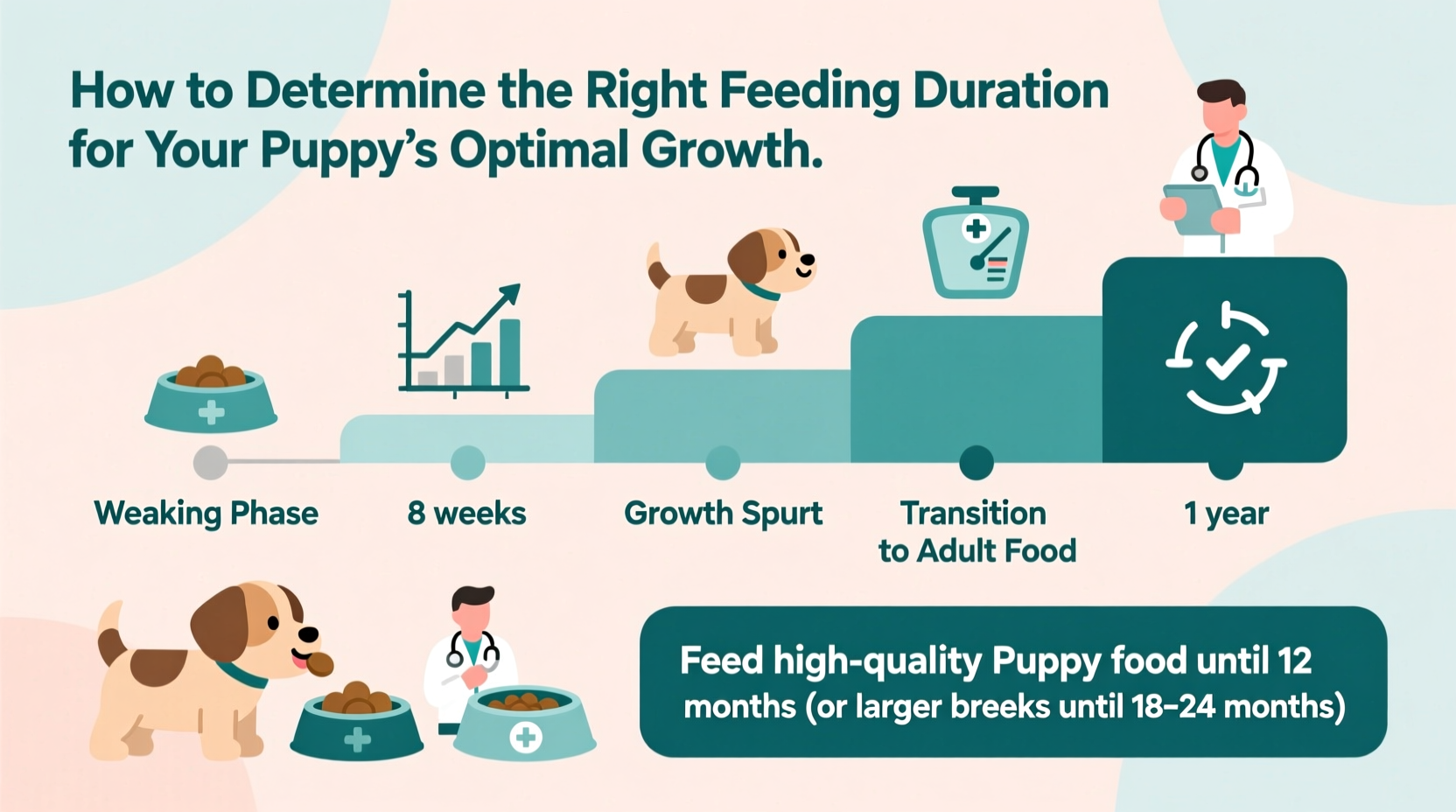
Puppies grow rapidly in their first year—some gaining up to 20 times their birth weight. This explosive development demands more calories, protein, fat, and essential nutrients than adult dogs require. Puppy food is specifically formulated with higher concentrations of:
- DHA (an omega-3 fatty acid) for brain and vision development
- Calcium and phosphorus for bone and teeth formation
- Protein for muscle growth and tissue repair
- Calories to fuel high activity levels and metabolic demands
Unlike adult dogs, who need maintenance-level nutrition, puppies are building their entire physiological foundation. Switching too early deprives them of these critical nutrients during peak growth phases. However, continuing puppy food past its usefulness can cause excessive weight gain and strain on developing joints—especially in large breeds.
Tip: Always check the label—true \"puppy food\" meets AAFCO (Association of American Feed Control Officials) standards for growth, not just labeled as such for marketing.Breed Size Matters: Growth Timelines by Category
One of the biggest misconceptions is that all puppies mature at the same rate. In reality, small breeds develop faster than large ones. A Chihuahua may reach full size by 9–10 months, while a Great Dane might not finish growing until 18–24 months. Feeding timelines must reflect this biological variation.
| Breed Size | Average Adult Weight | When Growth Slows | Recommended Duration on Puppy Food |
|---|---|---|---|
| Small | Under 20 lbs | 6–9 months | 9–12 months |
| Medium | 20–50 lbs | 9–12 months | 12–14 months |
| Large | 50–80 lbs | 12–18 months | 14–18 months |
| Giant | Over 80 lbs | 18–24 months | 18–24 months |
This table highlights why a one-size-fits-all approach fails. Giant breeds benefit from extended access to puppy-specific nutrition due to prolonged skeletal development. Conversely, small breeds risk obesity if kept on calorie-dense puppy food beyond their growth phase.
Step-by-Step Guide to Transitioning from Puppy to Adult Food
The shift should never be abrupt. Sudden dietary changes can trigger gastrointestinal upset, including vomiting and diarrhea. Follow this gradual five-day plan:
- Day 1–2: Mix 75% puppy food with 25% adult food.
- Day 3–4: Use a 50/50 blend of both foods.
- Day 5–6: Shift to 75% adult food and 25% puppy food.
- Day 7: Serve 100% adult dog food.
Monitor your dog closely during this period. Signs of digestive discomfort—loose stools, gas, or refusal to eat—mean you should slow the transition. Some sensitive dogs need up to 10 days to adjust.
“Puppies don’t grow out of nutritional needs overnight. The switch to adult food should mirror their physical maturity, not a calendar date.” — Dr. Laura Chen, DVM, Board-Certified Veterinary Nutritionist
Signs Your Puppy Is Ready to Switch Foods
Chronological age is only part of the equation. Watch for behavioral and physical cues that indicate your puppy has entered adolescence and growth is stabilizing:
- Reduced appetite compared to earlier months
- Consistent body weight over several weeks
- Decreased interest in constant chewing or hyperactivity
- Coat becoming thicker and less fluffy (signaling hormonal shifts)
- Teeth fully erupted and adult dentition established
If your puppy still looks lanky, grows noticeably week-to-week, or seems ravenous after meals, they likely still need the nutrient density of puppy food. On the other hand, if they’re filling out and beginning to resemble their adult proportions, it may be time to consider transitioning.
Mini Case Study: Max the Labrador Retriever
Max, a male Labrador, was switched to adult food at 10 months because his owner assumed he was “big enough.” Within two weeks, Max began showing signs of lethargy and mild joint stiffness. His veterinarian reviewed his diet and noted that Labs—being a large breed—are prone to developmental orthopedic diseases like hip dysplasia when nutrition is mismanaged. Max was returned to a large-breed puppy formula until 15 months, after which he transitioned smoothly. By 18 months, he had developed strong joints, sustained energy, and a healthy weight. His case underscores that premature switching can compromise structural development, even in seemingly robust breeds.
Common Mistakes to Avoid
Even well-meaning owners make errors when managing puppy nutrition. These pitfalls can undermine growth and set the stage for future health issues:
- Switching based on age alone: Ignoring individual development patterns.
- Free-feeding adult food: Leads to overconsumption and obesity.
- Mixing brands without research: Nutrient overlap or deficiencies can occur.
- Ignoring large-breed formulas: Regular puppy food may have too much calcium for big dogs, increasing the risk of skeletal abnormalities.
FAQ
Can I feed my puppy adult dog food if it's high-quality?
No. Even premium adult foods lack the precise nutrient ratios needed for growth. Puppies require 20–30% more protein and significantly more DHA and calcium than adult maintenance diets provide. Using adult food risks developmental delays and weakened immunity.
What if my puppy is a mixed breed? How do I know when to switch?
Estimate based on expected adult size. If one parent is small and the other medium, aim for a transition around 12 months. When uncertain, consult your vet—they can assess growth plates via X-ray or physical exam to determine skeletal maturity.
Should I change food again when my dog reaches senior years?
Yes. Just as puppyhood requires specialized nutrition, so do later life stages. Senior dogs often need fewer calories, more joint support, and adjusted protein levels. Plan for another gradual transition around age 7, depending on breed and health status.
Checklist: Determining When to Transition Your Puppy Off Puppy Food
- ☐ Know your dog’s expected adult size and breed growth pattern
- ☐ Monitor weekly weight gain—slowing growth suggests readiness
- ☐ Assess energy levels and appetite changes
- ☐ Consult your veterinarian at the 12-month wellness exam
- ☐ Choose an appropriate adult food matching your dog’s activity level and size
- ☐ Follow a 7-day gradual transition schedule
- ☐ Watch for digestive or behavioral reactions post-switch
Conclusion
Determining the right duration for feeding puppy food isn’t arbitrary—it’s a science-backed decision rooted in biology, breed, and individual development. Rushing the transition risks undernourishment; delaying it invites obesity and metabolic stress. By aligning dietary changes with your puppy’s actual growth trajectory—not just the calendar—you lay the foundation for lifelong vitality. Take the time to observe, consult your vet, and make informed choices. Your dog’s long-term health depends on it.
💬 Have questions about your puppy’s diet or transition timeline? Share your experience or ask for advice in the comments—let’s help each other raise healthier dogs.








