Cat bibs have evolved from simple protective wear during meals into stylish accessories that express a feline’s individuality. More than just functional items, today’s cat bibs blend utility with personal flair—offering an opportunity to celebrate your cat’s quirks, habits, and charm. Whether your cat is a mischievous explorer, a dignified homebody, or a food-loving glutton, the right bib can enhance both their comfort and your bond. Choosing one isn’t just about fit or fabric—it’s about aligning the accessory with your cat’s true nature.
Understand Your Cat’s Personality Type
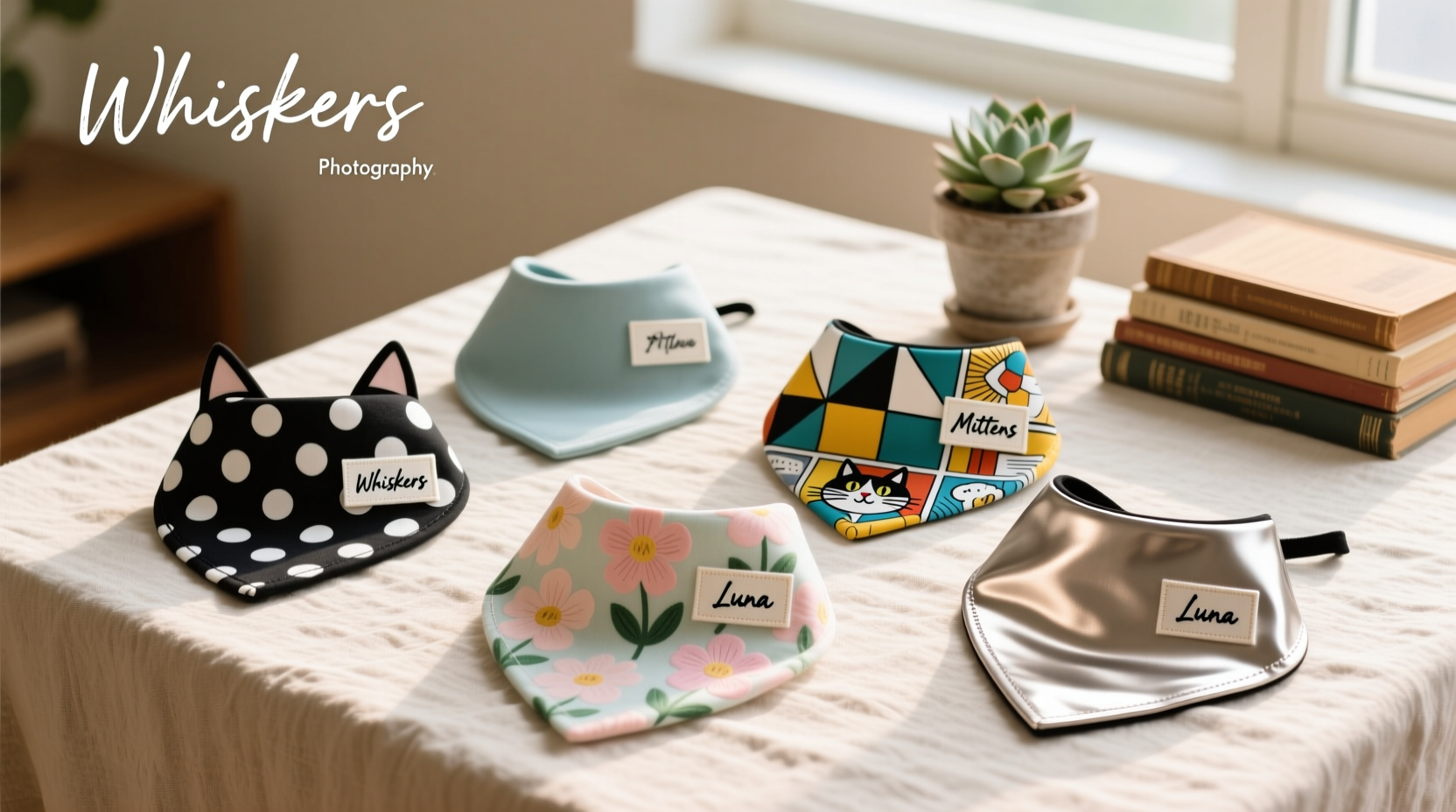
Cats are individuals, each with distinct behaviors and preferences. Recognizing your cat’s personality is the first step in selecting a bib that suits them. Broadly, cats fall into several common archetypes:
- The Explorer: Always on the move, curious, and often getting into messy situations.
- The Gourmet: Loves eating but tends to dribble, smear, or make a mess at every meal.
- The Elegance Lover: Prefers calm environments, dislikes restrictive clothing, and appreciates subtle sophistication.
- The Attention Seeker: Enjoys being the center of attention and responds well to bold designs.
- The Sensitive Soul: Easily stressed by new textures or tight fits, requiring ultra-soft materials.
A bib for an adventurous tabby should prioritize durability and easy cleaning, while a laid-back Persian might thrive in a soft, minimalist design. Matching the bib to these traits ensures it’s not only worn but enjoyed.
Tip: Observe your cat for a few days before choosing—note how they react to touch, noise, and new objects near their neck.Material Matters: Balancing Comfort and Function
The fabric of a cat bib impacts both comfort and maintenance. While aesthetics are important, the material must support your cat’s daily routine and skin sensitivity.
| Material | Best For | Pros | Cons |
|---|---|---|---|
| Cotton | Sensitive cats, everyday wear | Breathable, soft, hypoallergenic | Stains easily, may require frequent washing |
| Polyester Blend | Active cats, messy eaters | Durable, water-resistant, easy to clean | Less breathable, can cause overheating |
| Linen | Stylish, low-activity cats | Natural fiber, elegant drape | Wrinkles easily, less absorbent |
| Nylon | Outdoor or messy play sessions | Lightweight, quick-drying | Can irritate sensitive skin, static-prone |
| Organic Bamboo | Eco-conscious owners, allergy-prone cats | Antibacterial, sustainable, silky texture | Higher cost, limited availability |
For cats with allergies or dermatological sensitivities, organic cotton or bamboo fabrics are ideal. Active cats benefit from wipeable, synthetic blends that resist spills and dirt. Always check for OEKO-TEX or GOTS certification if safety and sustainability are priorities.
Design Elements That Reflect Personality
Just as humans use fashion to communicate identity, a cat bib can reflect your pet’s character through color, pattern, and embellishments.
- Bold Prints (Floral, Geometric): Perfect for outgoing, playful cats who enjoy attention.
- Neutral Tones (Beige, Gray, White): Ideal for reserved, mature, or minimalist-leaning cats.
- Custom Embroidery (Name, Initials): Adds a personal touch, especially meaningful for bonded pets or rescue cats with new beginnings.
- Themed Designs (Holidays, Pop Culture): Fun for seasonal moments or owners who enjoy shared humor with their pets.
“Accessories like bibs aren’t frivolous—they’re extensions of a cat’s environment. When chosen thoughtfully, they contribute to emotional security and enrichment.” — Dr. Lena Patel, Feline Behavior Specialist
A tuxedo-style bib with black-and-white patterning suits a dignified, formal cat, while a vibrant rainbow print might delight a quirky, energetic kitten. Avoid overly bulky trims or dangling elements that could pose choking hazards or snag on furniture.
Step-by-Step Guide to Selecting the Right Bib
Follow this process to ensure you pick a bib that’s safe, comfortable, and expressive:
- Observe your cat’s behavior: Note eating habits, activity level, and reactions to collars or tags.
- Measure neck circumference: Use a soft tape measure; allow space for two fingers between neck and strap.
- Choose appropriate size: Most bibs come in small (7–9\"), medium (9–11\"), and large (11–13\").
- Select material based on lifestyle: Messy eaters need waterproof linings; indoor loungers benefit from soft weaves.
- Pick a design that mirrors personality: Match colors and patterns to your cat’s demeanor.
- Test for comfort: Introduce the bib gradually, starting with 5-minute intervals.
- Monitor for signs of stress: If your cat paws at it excessively or hides, reconsider fit or material.
Mini Case Study: Luna the Expressive Siamese
Luna, a three-year-old Siamese, was known for her vocal nature and love of dramatic entrances. Her owner, Maria, struggled with traditional feeding mats—Luna would kick them aside and track wet food across the floor. After trying several collars with attached wipes, Maria discovered cat bibs.
She selected a navy-blue cotton bib with silver star embroidery—matching Luna’s “diva” persona. The bib had adjustable Velcro straps and a waterproof inner layer. Within days, mealtime mess dropped by 80%. More importantly, Luna didn’t resist wearing it. In fact, she began strutting around post-meal, seemingly proud of her “outfit.”
This case illustrates how combining function with personality expression leads to better acceptance and real-life results.
Frequently Asked Questions
Can all cats wear bibs comfortably?
Most cats can adapt to bibs with proper introduction, but those with anxiety, mobility issues, or respiratory conditions should be evaluated by a vet first. Always opt for lightweight, non-restrictive designs.
How do I clean a cat bib?
Check the care label. Cotton and bamboo bibs can usually be machine-washed on gentle cycle. Polyester and nylon types often require spot-cleaning or hand washing. Air dry to prevent shrinkage or damage.
Should the bib cover the chest or just the neck?
It depends on purpose. Full-chest coverage is better for messy eaters or cats who groom heavily. Smaller bibs work for decorative use or light protection. Ensure freedom of movement regardless of size.
Essential Checklist Before Buying
- ✅ Measure your cat’s neck
- Ensures proper fit without constriction.
- ✅ Prioritize soft, breathable materials
- Especially for long-term wear or sensitive skin.
- ✅ Check closure type
- Velcro is adjustable but noisy; snaps are quieter but less flexible.
- ✅ Confirm washability
- Frequent cleaning is necessary for hygiene.
- ✅ Align design with personality
- A fun print for a playful cat, elegance for a regal one.
- ✅ Inspect for safety
- No loose threads, small detachable parts, or rough edges.
Final Thoughts: Celebrate Who Your Cat Is
Choosing the perfect cat bib goes beyond aesthetics or convenience. It’s an act of understanding—a way to honor your cat’s unique spirit through thoughtful detail. When you select a bib that aligns with their temperament, you’re not just preventing messes; you’re enhancing their sense of self within your shared home.
Start small. Try one style. Watch how your cat responds. Adjust as needed. Over time, you’ll discover combinations of fabric, fit, and flair that feel just right. And when your cat wears that bib with confidence—whether mid-meal or mid-nap—you’ll know you’ve found more than an accessory. You’ve found an expression of love, tailored to their purr-sonality.
💬 What does your cat’s ideal bib look like? Share your stories, photos, or custom ideas in the comments—let’s build a community that celebrates feline individuality, one bib at a time.








