Rhinestone pins have become a beloved accessory among young girls, blending sparkle with self-expression. Whether worn on backpacks, jackets, or school uniforms, these small embellishments offer a playful way to showcase personality and style. But not all rhinestone pins are created equal. From material safety to design longevity, selecting the right set requires thoughtful consideration. This guide walks through the essential factors parents, gift-givers, and fashion-savvy kids should evaluate when choosing a rhinestone pin set that’s both beautiful and safe.
Understanding Rhinestone Pin Materials
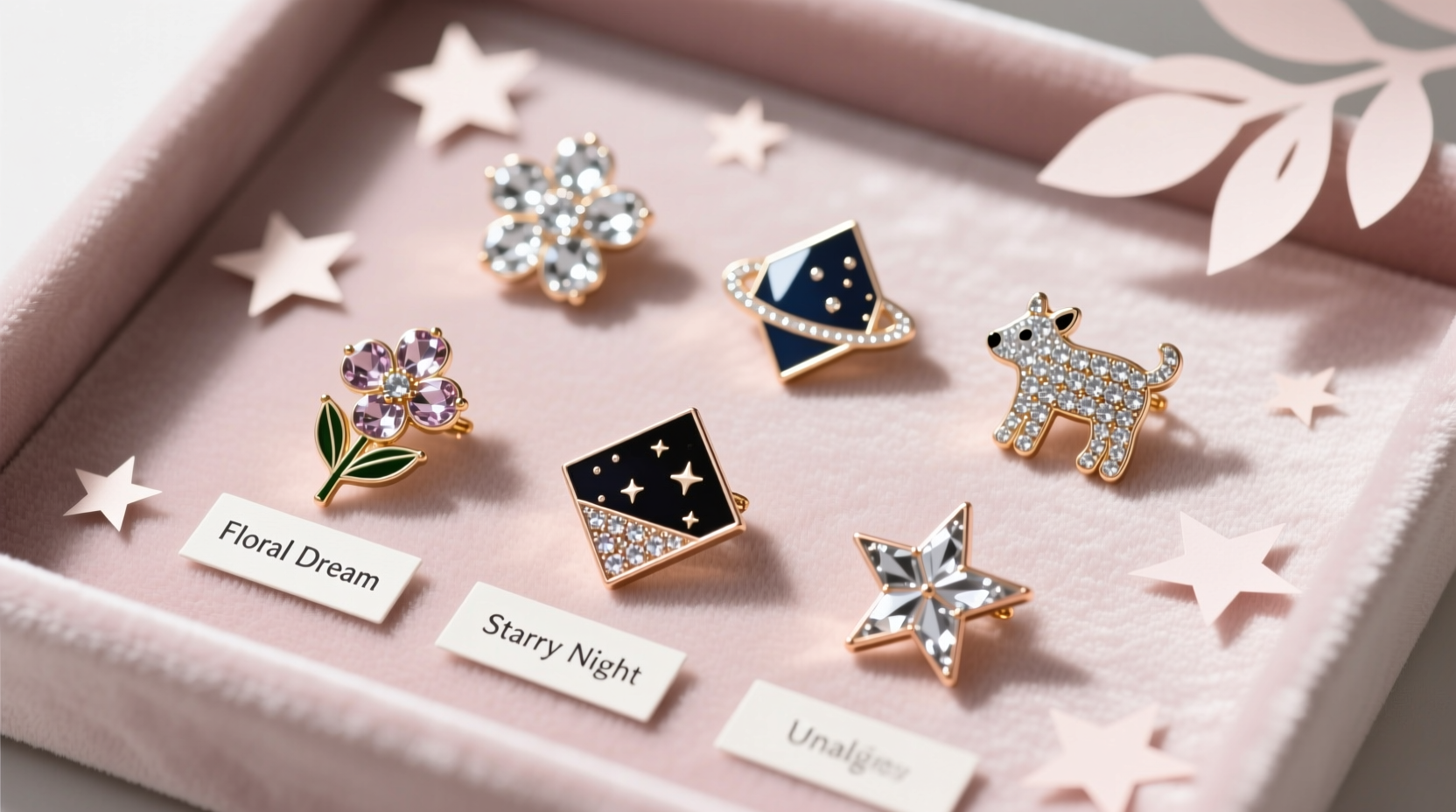
The foundation of any quality rhinestone pin lies in its materials. Most sets use either glass, acrylic, or crystal rhinestones mounted on metal or plastic backings. Glass rhinestones offer superior shine and durability but may be heavier. Acrylic stones are lightweight and affordable, making them ideal for younger children, though they’re more prone to scratching over time. Crystal options, such as those from Swarovski, deliver unmatched brilliance but often come at a higher price point.
The backing is equally important. Look for pins with nickel-free metal clasps or secure butterfly closures to reduce skin irritation. Plastic-based backs are suitable for sensitive skin but must be tested for sturdiness—flimsy attachments can lead to lost pins or accidental swallowing hazards in younger children.
Tip: Always check for hypoallergenic labels when purchasing metal-backed pins, especially for children with sensitive skin.Safety First: Age-Appropriate Design Considerations
For girls under 8, safety should outweigh aesthetics. Small detachable parts pose choking risks, so opt for sets where rhinestones are securely embedded and pins have enclosed fasteners. Avoid sharp edges or long pin stems that could cause injury during play.
According to pediatric safety guidelines, accessories for children under 3 should not contain pieces smaller than 1.25 inches in diameter. While most rhinestone pins target older children (ages 6–12), parental supervision remains crucial, particularly during initial wear.
“Accessories should enhance a child’s confidence without compromising their safety. Secure settings and non-toxic materials are non-negotiable.” — Dr. Lila Nguyen, Pediatric Development Specialist
Design & Theme: Matching Style to Personality
A great rhinestone pin set reflects the wearer’s interests and lifestyle. Popular themes include animals, emojis, celestial motifs, unicorns, and inspirational words like “brave” or “kind.” For school environments, subtle designs with moderate sparkle tend to be more acceptable than large, flashy pieces.
Consider versatility. Sets with neutral-toned pins (silver, rose gold, clear) can be mixed and matched across outfits, while bold colors suit themed events or birthday parties. Multi-piece sets that allow creative combinations—like buildable badges or interchangeable centers—encourage imaginative play and repeated use.
Choosing Based on Occasion
| Occasion | Recommended Style | Material Preference |
|---|---|---|
| School | Small, flat designs with minimal protrusion | Acrylic or glass with plastic backing |
| Birthday Party | Bold, colorful, themed shapes | Crystal or high-shine glass |
| Dance Recital | Elegant, coordinated sets (e.g., stars, hearts) | Crystal or foil-backed glass |
| Casual Wear | Mix-and-match novelty pins | Durable acrylic or coated metal |
Step-by-Step Guide to Selecting the Best Set
Follow this five-step process to ensure you’re making an informed, practical choice:
- Assess the child’s age and maturity level. Younger kids need safer, simpler designs; older girls can handle intricate or delicate pieces.
- Determine the intended use. Is it for daily wear, special events, or collectible display? This influences size, material, and complexity.
- Check material certifications. Look for compliance with CPSIA (Consumer Product Safety Improvement Act) standards, especially for U.S.-based purchases.
- Examine craftsmanship. Inspect product images or samples for even stone alignment, secure adhesion, and smooth backing surfaces.
- Read real customer reviews. Focus on feedback about durability, color accuracy, and whether pins arrived intact.
Real-Life Example: Choosing Pins for a School Project
Emily, a 9-year-old from Portland, was tasked with creating a wearable art piece for her elementary school’s creativity week. Her mother wanted something eye-catching but safe and reusable. After researching options, she chose a modular rhinestone pin set made with BPA-free plastic bases and non-lead glass stones. The set included interchangeable animal shapes and color-changing centers activated by sunlight.
Not only did Emily win “Most Creative Design,” but she continued using the pins on her lunchbox and hat throughout the year. The secure clasps prevented loss, and the absence of toxic materials gave her parents peace of mind. This case illustrates how balancing fun, function, and safety leads to lasting satisfaction.
Do’s and Don’ts of Rhinestone Pin Selection
| Do | Don't |
|---|---|
| Choose sets with rounded edges and covered pin stems | Purchase pins with loose or poorly glued stones |
| Opt for adjustable or soft backings for comfort | Select oversized pins for young children |
| Look for UV-resistant coatings to prevent fading | Ignore customer reviews mentioning broken packaging |
| Encourage kids to store pins in a dedicated case | Allow unsupervised wear if the child tends to mouth objects |
Frequently Asked Questions
Are rhinestone pins safe for children with sensitive skin?
Yes, provided they are labeled hypoallergenic and use nickel-free or plastic backings. Always perform a patch test by letting the child wear one pin for a few hours to monitor for redness or irritation.
How do I clean rhinestone pins without damaging them?
Use a soft, dry cloth to gently wipe away dust. For deeper cleaning, dampen a cotton swab with water and mild soap, carefully clean around the stones, then air dry. Never submerge the pin, as moisture can loosen adhesives.
Can rhinestone pins be repaired if a stone falls out?
Minor damage can often be fixed using jewelry-grade adhesive like E6000. Apply a tiny drop to the base of the stone, press it into place, and let it cure for 24 hours. However, frequent repairs may indicate poor initial quality.
Building a Lasting Collection: Storage and Care Tips
To preserve both appearance and functionality, proper storage is key. Encourage children to keep their pins in a fabric-lined box with individual compartments or a magnetic sheet designed for brooches. This prevents scratching and tangling.
Avoid exposing pins to direct sunlight for extended periods, as UV rays can fade colored stones and weaken adhesives. Also, remove pins before washing clothes or swimming, as chlorine and detergents can dull the finish.
“Children learn responsibility through care routines. Teaching them to organize and maintain their accessories builds lifelong habits.” — Miriam Cole, Child Lifestyle Consultant
Final Thoughts and Call to Action
Choosing the ideal rhinestone pin set for girls isn’t just about sparkle—it’s about combining style with safety, durability, and personal meaning. The best sets inspire joy while standing up to everyday wear. By focusing on material quality, age-appropriate design, and thoughtful usage, you can select pieces that delight and endure.
🚀 Ready to find the perfect set? Start by reviewing your child’s favorite themes and checking reputable brands with strong safety records. Share your top picks or styling ideas in the comments below—we’d love to hear how you’re adding sparkle to everyday moments!








