Grooming is more than just aesthetics—it's a vital part of your dog’s health and comfort. One often overlooked detail in the grooming process is the choice of hair clips used to manage fur during brushing, bathing, or styling. Using the wrong clip size can lead to discomfort, tangles, or even skin irritation. With so many sizes and styles available, selecting the right one may seem overwhelming. This guide breaks down everything you need to know to make an informed decision that keeps your dog calm, safe, and well-groomed.
Understanding Dog Hair Clip Types and Sizes
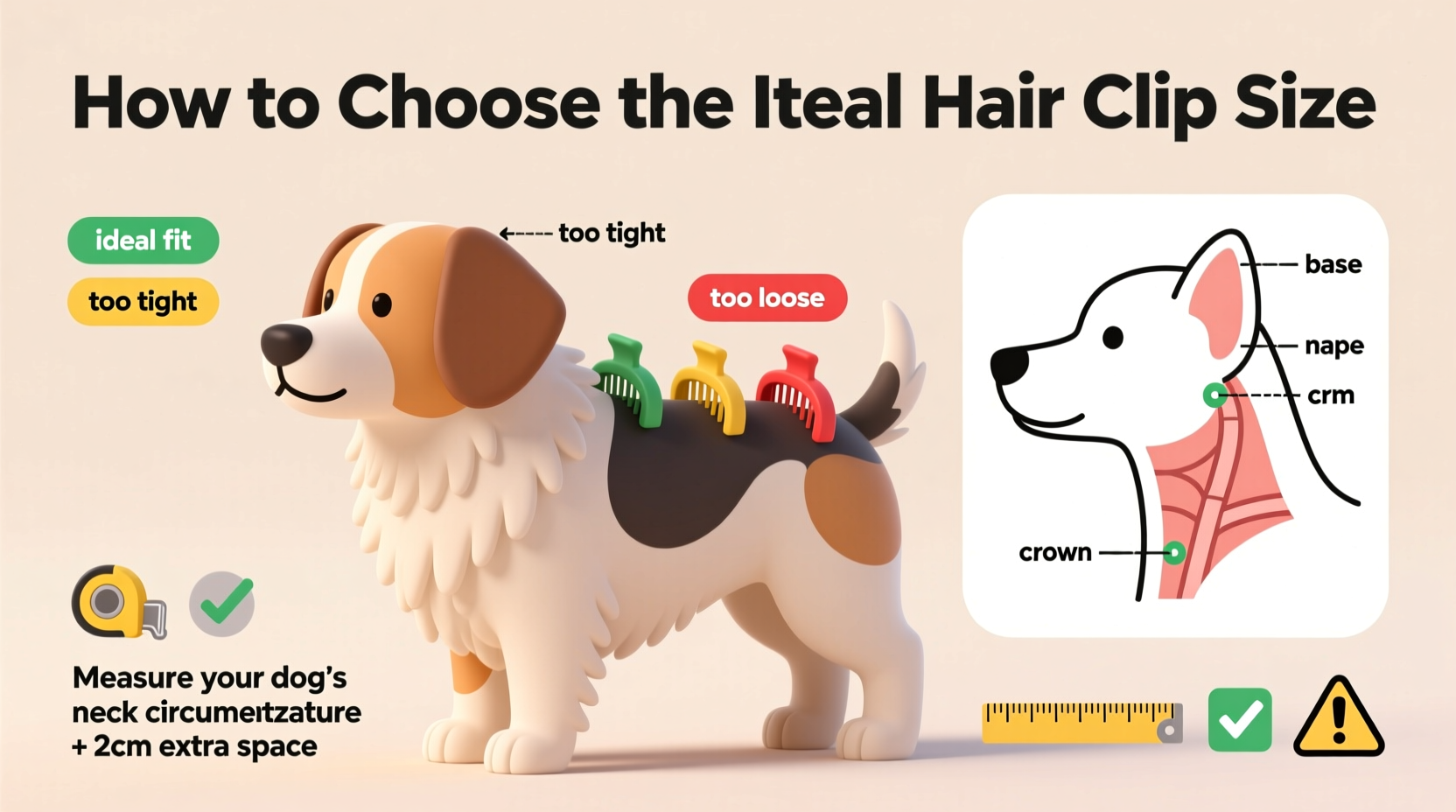
Hair clips for dogs come in various materials—plastic, metal, and silicone—and range in size from tiny 0.5-inch mini clips to large 3-inch utility clips. Each type serves a different purpose depending on coat type, ear sensitivity, and grooming task.
Small clips (under 1 inch) are ideal for securing delicate areas like around the ears or face. Medium clips (1–2 inches) work best for general sectioning during baths or blow-drying. Large clips (over 2 inches) are typically used by professional groomers to hold thick sections of fur out of the way during clipping or trimming.
The material also matters. Plastic clips are lightweight and less likely to pinch, making them suitable for puppies or sensitive dogs. Metal clips offer stronger grip but should be used carefully to avoid pulling hair. Silicone-coated clips combine strength with comfort, reducing slippage without adding pressure.
“Choosing the right clip isn’t just about holding hair back—it’s about respecting your dog’s comfort throughout the grooming experience.” — Dr. Lena Torres, Certified Canine Care Specialist
Matching Clip Size to Your Dog’s Breed and Coat Type
Different breeds have vastly different grooming needs, and clip selection should reflect that. A Poodle’s dense, curly coat requires strong, secure clips to manage thick sections, while a Shih Tzu’s long, silky hair benefits from smooth-edged clips that won’t snag.
Short-haired breeds like Beagles or Boxers rarely need clips unless being prepped for shows. In contrast, double-coated breeds such as Huskies or Golden Retrievers benefit from medium-to-large clips during deshedding sessions to keep working areas isolated and manageable.
Tip: Always test a clip on a small section first. If it pulls or causes your dog to flinch, switch to a gentler option.Clip Selection by Coat Category
| Coat Type | Recommended Clip Size | Material Preference |
|---|---|---|
| Short & Smooth | Mini (0.5–1\") | Plastic or silicone |
| Long & Silky | Medium (1–2\") | Silicone-coated or smooth plastic |
| Dense & Curly | Medium to Large (1.5–2.5\") | Metal with rounded edges |
| Double-Coated | Large (2–3\") | Heavy-duty plastic or reinforced silicone |
| Puppy or Sensitive Skin | Mini to Small (0.5–1.5\") | Soft plastic or fabric-covered |
Step-by-Step Guide to Selecting the Right Clip
Follow this five-step process to ensure you’re using the most appropriate clip for your dog’s grooming session:
- Evaluate the grooming task. Are you bathing, trimming, or just brushing? Sectioning wet hair requires stronger clips than dry brushing.
- Assess your dog’s coat density. Thick or matted fur needs larger, sturdier clips to hold weight without slipping.
- Consider your dog’s temperament. Nervous or wiggly dogs do better with lightweight, non-metal clips to reduce sensory overload.
- Test clip grip and release. Open and close the clip several times. It should snap securely but release easily with one hand.
- Monitor your dog’s reaction. After placing a clip, watch for head shaking, pawing, or signs of discomfort. Adjust accordingly.
When to Avoid Clips Entirely
In some cases, alternatives like grooming loops, elastic-free ties, or manual holding may be safer. Dogs with very thin skin (like Maltese), medical conditions affecting the neck or ears, or those recovering from surgery should not wear clips near sensitive zones. Always prioritize safety over convenience.
A Real Grooming Scenario: Choosing Clips for a Standard Poodle
Sarah, a home groomer in Portland, adopted a 3-year-old Standard Poodle named Milo. His curly coat mats easily behind the ears and under the legs. Initially, she used small plastic clips she had on hand, but they kept slipping out during blow-drying, forcing her to rework sections repeatedly.
After consulting a local groomer, Sarah switched to medium-sized silicone-coated clips (1.75 inches). These held firm even when Milo shook his head, allowing her to work efficiently without constant readjustment. She reserved smaller clips only for facial trimming, where precision mattered most.
The change reduced Milo’s grooming time by nearly 30%, and he became noticeably calmer during sessions—likely because fewer adjustments meant less handling. This real-world example shows how matching clip size to both task and dog behavior improves outcomes for both pet and owner.
Essential Checklist for Safe and Effective Clip Use
- ✔ Measure your dog’s typical hair section thickness before buying clips
- ✔ Choose rounded-edge clips to prevent skin pinching
- ✔ Avoid metal clips near ears or eyes unless necessary
- ✔ Limit wearing time—remove clips after 10–15 minutes to check for pressure marks
- ✔ Clean clips regularly with mild soap and water to prevent bacterial buildup
- ✔ Store clips in a dedicated container to avoid tangling or damage
- ✔ Replace cracked or worn clips immediately—they can injure your dog
Frequently Asked Questions
Can hair clips hurt my dog if left in too long?
Yes. Leaving clips in for extended periods—especially tight or heavy ones—can restrict blood flow, cause pressure sores, or pull at the roots. Never leave clips unattended for more than 15–20 minutes, and always inspect the skin underneath after removal.
Are there clip alternatives for dogs with sensitive skin?
Absolutely. Fabric-covered hair ties (without latex), soft scrunchies designed for pets, or even temporary braiding can keep hair out of the way without applying pressure. Some groomers use magnetic clips, which distribute force evenly and reduce pinching risk.
How do I know if a clip is too big or too small?
A clip that’s too small will struggle to close over the hair section, requiring excessive tension that pulls the scalp. One that’s too large may not grip properly and slip out frequently. The ideal fit holds the section snugly without needing to stretch the clip open fully.
Final Thoughts: Comfort First, Convenience Second
Selecting the right hair clip for your dog goes beyond convenience—it’s an act of care. The right size and material minimize stress, prevent injury, and make grooming a smoother, more positive experience. Whether you're a first-time owner or an experienced groomer, taking a moment to assess your tools ensures your dog stays relaxed, safe, and looking their best.
💬 Have a favorite clip brand or trick that works wonders for your dog? Share your experience with fellow pet owners in the comments—your insight could make someone else’s grooming day much easier!








