Selecting a trophy for students isn’t about picking the shiniest object on a supplier’s website. It’s a deliberate act of recognition—one that carries weight in a young person’s academic journey. A well-chosen trophy affirms effort, celebrates growth, and signals institutional values: respect for learning, inclusivity, craftsmanship, and integrity. Yet many schools default to generic acrylic cubes or oversized plastic cups—items that gather dust within months and fail to resonate with the emotional significance of achievement. The best education trophies do more than sit on a shelf; they become touchstones—reminders of perseverance, mentorship, and personal breakthroughs. This guide draws on over a decade of experience working with school districts, national STEM Olympiads, literacy foundations, and award designers to outline how educators, coordinators, and PTA committees can make intentional, values-aligned decisions—not just purchases.
1. Align the Trophy with Educational Values—Not Just Aesthetics
A trophy is a physical manifestation of your program’s philosophy. If your competition emphasizes collaborative problem-solving, a solitary gold-plated figure may unintentionally reinforce individualism over teamwork. If it celebrates creativity in underserved communities, mass-produced imports with no cultural resonance can feel alienating. Start by auditing your competition’s stated mission and core competencies. Does it prioritize critical thinking? Equity? Innovation? Sustainability? Then ask: does the trophy reflect those principles?
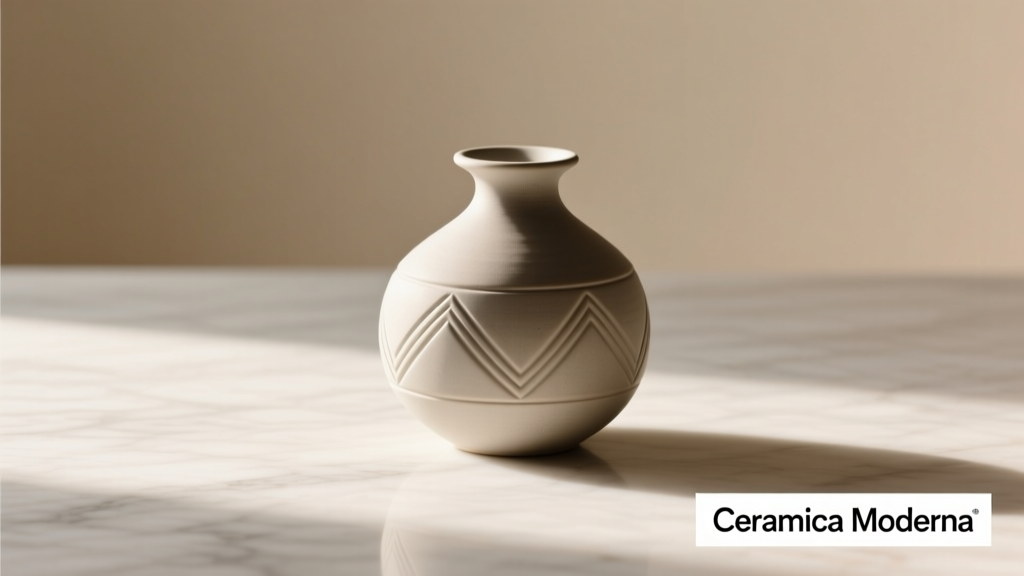
For example, the National Young Writers’ Alliance shifted from engraved crystal paperweights to hand-thrown ceramic medallions made by local artists in partnership with high school ceramics programs. Each piece bears a unique glaze pattern and a stamped phrase like “Your voice matters”—not just the winner’s name. Teachers reported students kept them on desks, not shelves, and referenced them during college application essays. The trophy became part of the learning narrative—not an endpoint.
Tip: Before contacting suppliers, draft a 3-sentence “Trophy Values Statement” (e.g., “We honor curiosity over perfection. We value process as much as outcome. We recognize diverse forms of intelligence.”). Use this as a filter for every design and material decision.2. Prioritize Meaningful Materials Over Flashy Finishes
Material choice impacts durability, perception, sustainability, and inclusivity. Gold-plated zinc alloy may look impressive online but often chips after one year of handling. Acrylic trophies are lightweight and affordable—but they scratch easily, yellow under fluorescent lights, and carry little tactile warmth. Meanwhile, sustainably sourced walnut, recycled aluminum, or responsibly cast bronze conveys permanence, care, and intentionality.
Consider longevity in context: a trophy awarded in Grade 5 should still feel relevant at graduation. That means avoiding trends (e.g., neon resin fills) and favoring timeless forms—clean lines, balanced proportions, subtle engraving. Engraving quality matters as much as material: laser-etched text on wood lasts decades; ink-filled etching on acrylic fades in UV light.
| Material | Strengths | Limitations | Ideal For |
|---|---|---|---|
| Sustainably harvested hardwood (walnut, maple) | Warm, natural texture; ages gracefully; supports local artisans; biodegradable | Higher upfront cost; requires climate-stable storage | Literacy awards, arts competitions, character-based recognition |
| Recycled aluminum (sand-cast or CNC-machined) | Lightweight yet substantial; fully recyclable; precise modern geometry; excellent for fine engraving | Less “organic” feel; limited warmth compared to wood or stone | STEM fairs, coding challenges, robotics tournaments |
| Porcelain or stoneware (hand-finished) | Uniquely expressive; supports student-art partnerships; highly durable when glazed properly | Requires skilled kiln firing; longer lead times; fragile in transit if unboxed | Creative writing, visual arts, bilingual storytelling contests |
| Reclaimed glass (fused or sandblasted) | Eco-conscious; refracts light beautifully; symbolic of clarity and transformation | Can be heavy; risk of breakage without protective packaging | Environmental science fairs, ethics debates, sustainability innovation awards |
3. Design for Inclusivity—Beyond Name and Grade
Trophies often default to assumptions: binary gendered iconography (trophies shaped like runners or laurel wreaths), Eurocentric motifs, or language that privileges speed (“fastest coder”) over depth (“most thoughtful algorithm design”). Inclusive trophy design acknowledges diverse learning pathways, cultural references, neurodiversity, and non-traditional excellence.
This means avoiding clichés—no podiums implying hierarchy, no solitary figures suggesting lone genius. Instead, consider open-ring forms (symbolizing community), interlocking shapes (representing collaboration), or modular components (e.g., a base that holds both a student’s name plaque *and* their teacher’s acknowledgment). Engraving should accommodate diacritical marks, multiple scripts, and preferred pronouns—not as an afterthought, but as built-in options.
“Students don’t need trophies that shout ‘winner.’ They need objects that whisper, ‘What you did mattered—and we saw *how* you did it.’ That requires moving beyond names and scores to honor process, resilience, and voice.” — Dr. Lena Torres, Director of Equity in Education Awards, National Association of Secondary School Principals
4. A Practical 6-Step Selection Process
Choosing wisely doesn’t require a procurement degree—it requires structure. Follow this field-tested sequence to avoid last-minute compromises and budget overruns.
- Define non-negotiables first: Set hard limits—maximum unit cost, minimum durability standard (e.g., “must withstand classroom handling for 5+ years”), required accessibility features (e.g., braille-compatible engraving surface).
- Survey stakeholders anonymously: Ask students, teachers, and families: “What would make this award feel meaningful to you?” Not “What do you want it to look like?” Focus responses on emotional resonance—not aesthetics.
- Request physical samples—not just PDFs: Handle weight, texture, and legibility in real light. Test engraving readability at arm’s length and in dim lighting.
- Verify supply chain ethics: Ask suppliers for certifications (e.g., FSC for wood, RBA for metals) and production location. Avoid vendors who outsource engraving to third parties with no quality control.
- Test the unboxing experience: Is the packaging reusable? Does it protect the item without excessive plastic? Does the box include a brief note explaining *why* this material or form was chosen?
- Build in legacy documentation: Include a QR code on the base linking to a webpage with the winner’s project summary, judge comments, and photos—not just their name and date.
5. Budget Realistically—Without Sacrificing Substance
Many schools allocate $15–$25 per trophy, assuming “affordable” equals “adequate.” But low-cost items often cost more long-term: replacements due to breakage, diminished prestige affecting future participation, or disengagement when students perceive the award as transactional rather than meaningful. A better metric is cost-per-year-of-impact. A $48 walnut trophy used daily for eight years costs $6/year. A $19 acrylic piece discarded after two years costs $9.50/year—and erodes program credibility.
Stretch budgets intelligently:
- Batch ordering: Order all trophies for the academic year at once—even across departments—to qualify for volume discounts (typically 12–18% on orders of 50+ units).
- Shared bases: Use identical, high-quality bases (e.g., matte black granite plinths) with interchangeable top elements—customized per competition (a gear for robotics, a quill for debate, a leaf for ecology).
- Student co-design: Partner with art or design classes to create limited-edition trophy elements. Students gain portfolio work; the school gains uniqueness and ownership.
- Phased rollout: Pilot new trophy designs with one competition first. Gather feedback, refine, then scale—avoiding system-wide missteps.
Real-world example: Lincoln Middle School’s annual Science Symposium previously used $22 plastic trophies. After switching to $44 recycled aluminum cylinders with laser-etched periodic table motifs (designed by 8th-grade chemistry students), participation rose 37% in two years. Teachers noted students displayed them in science fair booths *before* winning—indicating aspirational value. The district recouped the higher per-unit cost through increased grant eligibility tied to “student-centered, sustainable recognition practices.”
6. Do’s and Don’ts: A Quick-Reference Guide
| Action | Do | Don’t |
|---|---|---|
| Engraving | Use sentence-case, full names, and competition year; include optional space for teacher/mentor name | Use ALL CAPS, abbreviations (“Gr. 8”), or outdated titles (“Miss/Mr.”) |
| Design Language | Opt for clean, legible fonts (e.g., Lato, Open Sans); ensure contrast between metal and engraving | Choose decorative script fonts or shallow etching that disappears under glare |
| Inclusivity | Offer multiple icon options (e.g., open book, circuit board, seedling, woven pattern) without assigning meaning | Assume one symbol represents “excellence” for all disciplines or cultures |
| Sustainability | Specify packaging must be 100% recyclable or compostable; request carbon-neutral shipping | Accept styrofoam inserts or single-use plastic clamshells “for protection” |
| Longevity | Require supplier warranty: “No chipping, fading, or structural failure for 7 years under normal classroom use” | Rely on vague promises like “high-quality finish” or “premium materials” |
FAQ
Should we give the same trophy to all winners—or differentiate by category?
Differentiation reinforces the value of distinct skills. A coding competition winner and a poetry slam champion engage different intelligences—honoring both with identical trophies risks flattening nuance. Instead, use a consistent base or material (e.g., all walnut plinths) with category-specific top elements (a microchip icon vs. an open book). This maintains brand cohesion while honoring domain-specific excellence.
Is it appropriate to include school branding on the trophy?
Yes—if done thoughtfully. A subtle, debossed school logo on the base reinforces institutional pride without dominating the piece. Avoid large, glossy decals that peel or logos placed where engraving occurs. Better yet: embed the school motto or founding year in the design itself (e.g., as part of a border pattern), making branding inseparable from meaning.
What if our budget truly won’t allow for custom trophies?
Start small but intentional. Source locally made wooden bookmarks or engraved copper bookmarks—each inscribed with the winner’s name, competition, and a line from a relevant poem or scientist’s quote. Pair it with a handwritten letter from the principal explaining *why* their work stood out. Authenticity and specificity outweigh expense every time.
Conclusion
A trophy is never just an object. It’s a covenant between an institution and a learner—a tangible promise that their curiosity, labor, and voice were witnessed and valued. Choosing wisely means rejecting shortcuts, resisting trend-driven defaults, and centering the human story behind every award. When you select a trophy that honors process as much as product, that reflects your community’s values in its grain and geometry, that invites students to see themselves in its form—you’re not handing out prizes. You’re planting seeds of belonging, confidence, and lifelong engagement with learning.
Begin now—not next semester, not after funding approval. Revisit your current trophy supplier’s catalog with your Values Statement in hand. Email three local makers. Sketch one alternative concept with your art teacher. Small, grounded actions compound into cultural change. Your students deserve recognition that endures—not just in shelf space, but in memory and motivation.
💬 Your experience matters. Have you redesigned awards in ways that deepened student engagement? Share your story, insight, or challenge in the comments—we’ll feature standout examples in our next educator resource round-up.








