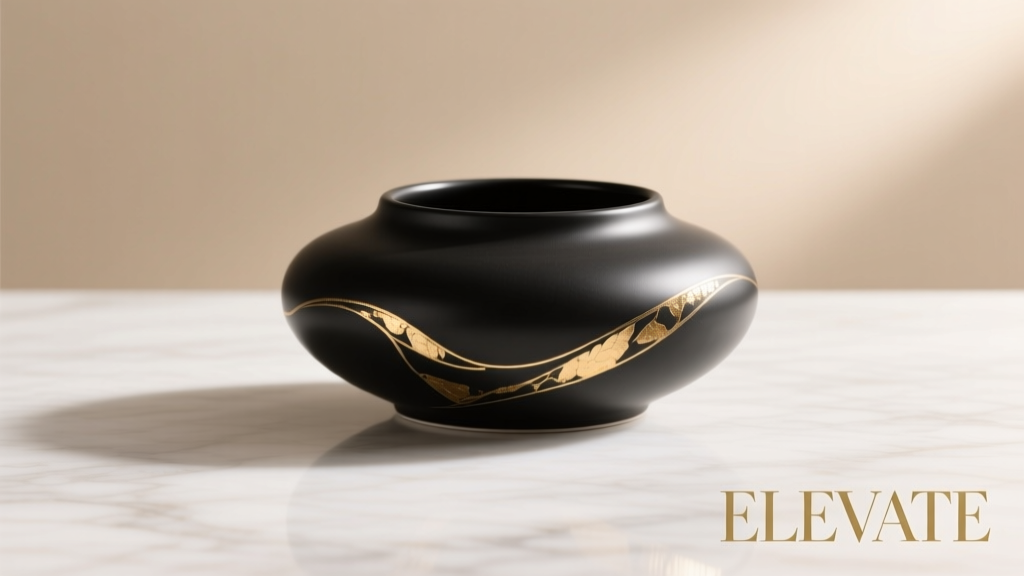
A moon bowl—often called a singing bowl, Himalayan bowl, or meditation bowl—is more than a decorative object. When used intentionally on a date, it transforms an ordinary evening into a shared sensory experience: gentle resonance, tactile warmth, visual elegance, and quiet intentionality. Yet many buyers mistake aesthetic appeal for functional suitability—leading to bowls that ring too harshly, lack tonal depth, or feel awkward in hand during intimate moments. This guide cuts through marketing hype with field-tested criteria drawn from sound therapists, mindfulness educators, and couples who’ve integrated moon bowls meaningfully into their relationships.
Why the Right Moon Bowl Matters on a Date
Unlike generic decor items, a moon bowl used during a date serves three distinct roles: as a grounding ritual object (e.g., ringing it together before sharing intentions), as a tactile centerpiece (its weight, curve, and finish inviting touch), and as an acoustic anchor (its tone setting the emotional tempo of the space). A poorly chosen bowl can disrupt rather than deepen connection—too loud, too thin-sounding, or physically uncomfortable to hold. Conversely, the right bowl supports presence, encourages mindful listening, and becomes a subtle symbol of shared attention. It’s not about performance—it’s about resonance, both literal and relational.
Material & Craftsmanship: What You’re Actually Paying For
Moon bowls are traditionally hand-hammered from bronze alloy (typically 12% tin, 88% copper), but modern variants use stainless steel, crystal, or even ceramic. Each material behaves differently under human touch—and in intimate settings, behavior matters more than origin story.
| Material | Tonal Character | Practical Fit for Dates | Key Consideration |
|---|---|---|---|
| Traditional Bronze (7–12 metal alloy) | Warm, complex, layered overtones; rich sustain | Excellent—deep resonance invites slow listening and shared silence | Authentic pieces require verification: look for visible hammer marks, uneven thickness, and slight asymmetry. Mass-produced “Himalayan” bowls stamped in factories lack this integrity. |
| Stainless Steel | Bright, clear, focused fundamental tone; shorter decay | Good for smaller spaces or noise-sensitive environments (e.g., apartments) | Less tactile warmth; surface can feel cold or clinical unless polished to satin finish. |
| Quartz Crystal | Pure, high-frequency, ethereal tone; immediate clarity | Strong for intention-setting rituals; less ideal for extended sound baths | Fragile—avoid if serving drinks nearby or if hands tend to be unsteady. Not recommended for shared handling without guidance. |
| Ceramic (hand-thrown, high-fire) | Soft, earthy, mellow tone; gentle attack | Ideal for cozy, low-lit dates; visually warm and approachable | Rare outside artisan studios—verify firing temperature (>1200°C) to ensure durability and tonal stability. |
Crucially, craftsmanship determines how the bowl responds to *light* touch—the kind most common on a date. A well-forged bronze bowl will sing clearly with a fingertip rub along the rim; a poorly cast one requires excessive pressure and produces a scratchy, inconsistent tone. Always test before purchase—if buying online, request a video demonstrating the bowl’s response to gentle rimming with a wooden striker.
Tip: Hold the bowl in both hands before ringing it. If the weight feels unbalanced, the rim is uneven, or the base wobbles slightly, skip it—even small asymmetries affect resonance and comfort during shared use.Size, Shape, and Ergonomics: Comfort Is Non-Negotiable
Size dictates both sound profile and physical usability. Larger bowls (8–12 inches) produce deeper fundamentals and longer sustain—ideal for spacious living rooms or outdoor patios—but become unwieldy when passed between two people seated closely. Smaller bowls (4–6 inches) offer portability and intimacy, but risk sounding thin or shrill if undersized for their material.
The shape influences how naturally it rests in the palm. Traditional “moon” bowls have a gently flared rim, rounded base, and moderate depth—designed to cradle comfortably against the palm while allowing the rim to vibrate freely. Avoid bowls with sharp rims, overly flat bases, or exaggerated height-to-width ratios. These compromise both acoustic function and tactile ease—critical when your date is holding it for the first time.
Real-world testing reveals that 5.5–7 inch diameter bowls strike the optimal balance: deep enough for warmth, light enough for effortless handling, and wide enough to invite both hands without crowding. Their average weight (350–650g) allows stable placement on a lap or coffee table without sliding.
“The moment a bowl feels like an extension of the hand—not an object to manage—is when it begins to serve relationship, not just ritual.” — Dr. Lena Ruiz, Sound Therapist and Co-Director of the Center for Relational Resonance
Step-by-Step Selection Process: From Browsing to Belonging
Follow this field-tested sequence—not as rigid rules, but as embodied checkpoints:
- Define your primary use case: Will you ring it once at the start of dinner? Use it for breathwork midway? Place it silently as a centerpiece? Match size and material to that intention—not to what looks “spiritual” in photos.
- Verify authenticity markers: For bronze, confirm visible hammer marks, a matte-to-satin finish (not glossy paint), and a slight variation in rim thickness. Ask for a photo of the underside—authentic bowls show tool marks there too.
- Test the striker: Most sellers include a wooden or leather-wrapped mallet. Tap the bowl firmly near its base—not the rim—and listen for clarity. A muddy “thunk” indicates poor casting; a clean “ping” signals structural integrity.
- Rim it slowly: Using the striker or your finger, rub the rim clockwise with steady, light pressure. The tone should emerge smoothly within 2–3 seconds—not after forcing or speeding up. Hesitation or sputtering means inconsistent metal density.
- Assess decay time: After ringing, time how long the fundamental tone remains audible (not just faint overtones). For dates, 12–22 seconds is ideal—long enough to settle attention, short enough to avoid overwhelming silence.
Mini Case Study: Maya & Javier’s First Shared Ritual
Maya and Javier had been dating for six weeks—both drawn to mindfulness but wary of performative spirituality. They wanted something simple, beautiful, and grounded—not another app or guided track. Maya ordered a 6-inch hand-hammered bronze bowl online after verifying the artisan’s workshop videos and requesting a live ring demo via video call. On their third date, she placed it center-table beside two small candles. Before dessert, she handed Javier the striker and said, “Let’s try ringing it together—no goal, just listen.” They held the mallet side-by-side, tapped once, then rubbed the rim slowly. The tone bloomed warm and unhurried. Neither spoke for nearly half a minute. Later, Javier said, “I didn’t expect to feel that calm just… hearing something together.” The bowl wasn’t the focus—it was the shared pause it made possible. They now use it weekly, always placing it where both can reach it easily—never on a shelf, always on the table.
What to Avoid: A Practical Do’s and Don’ts Table
| Action | Do | Don’t |
|---|---|---|
| Selecting Finish | Choose matte or satin bronze—enhances warmth and reduces glare under soft lighting | Choose high-gloss lacquer or chrome plating—creates visual distraction and masks natural tonal character |
| Handling During Date | Pass the bowl with both hands; place it on a folded linen napkin for grip and quiet | Set it directly on glass, marble, or polished wood—causes unwanted vibration transfer and potential scratching |
| Sound Integration | Ring it once at the beginning, then let silence follow—no need for repetition or volume escalation | Use it as background “music” while talking—defeats its purpose as an anchor for presence |
| Storage Between Dates | Keep it in a cloth-lined box or wrapped in undyed cotton—protects finish and prevents dust buildup | Leave it exposed on a shelf near windows or heaters—sunlight and dry air accelerate oxidation and dull tone |
FAQ
Can I use essential oils or incense near my moon bowl?
Yes—but with caution. Oil residue can build up on bronze surfaces and interfere with vibration. If using oils, apply them to a diffuser or cloth *away* from the bowl. Never drip oil directly onto the metal or rim. Incense smoke is generally safe, though heavy resin smoke may leave a faint film over months—wipe gently with a dry microfiber cloth if needed.
Is it okay to gift a moon bowl for a first date?
Thoughtful—but consider timing and framing. Presenting it as “our first ritual object” carries weight. Better: introduce it organically later in the relationship, perhaps saying, “I found this bowl that reminds me of how quietly present we were last Tuesday—want to try it together?” Gifting implies permanence; co-discovery invites collaboration.
How do I clean it without damaging the tone?
For bronze: wipe monthly with a soft, dry cotton cloth. For stubborn tarnish, use a 1:1 mix of lemon juice and baking soda on a cloth—rub gently, rinse with distilled water, then dry *immediately*. Never soak, steam, or use commercial metal polish—these remove microscopic hammer textures essential to resonance.
Conclusion: Your Bowl Is a Bridge, Not a Benchmark
Choosing the best moon bowl for a date isn’t about finding the “most authentic,” “most expensive,” or “most Instagrammable” piece. It’s about selecting an object that supports mutual presence—something whose weight fits your palm, whose tone invites stillness without demanding it, and whose craftsmanship honors the quiet labor of human hands. The right bowl doesn’t elevate the date—it deepens it by removing friction from attention. It asks nothing of you but willingness to listen—to sound, to silence, to each other.
Start small. Try one bowl. Ring it once. Sit with the fading tone. Notice what arises—not as a practice to master, but as a gesture to return to. That’s where connection lives: not in perfection, but in resonance.
💬 Have you used a moon bowl on a meaningful date? Share your experience—what size worked? How did your partner respond? Your insight helps others choose with heart, not hype.








