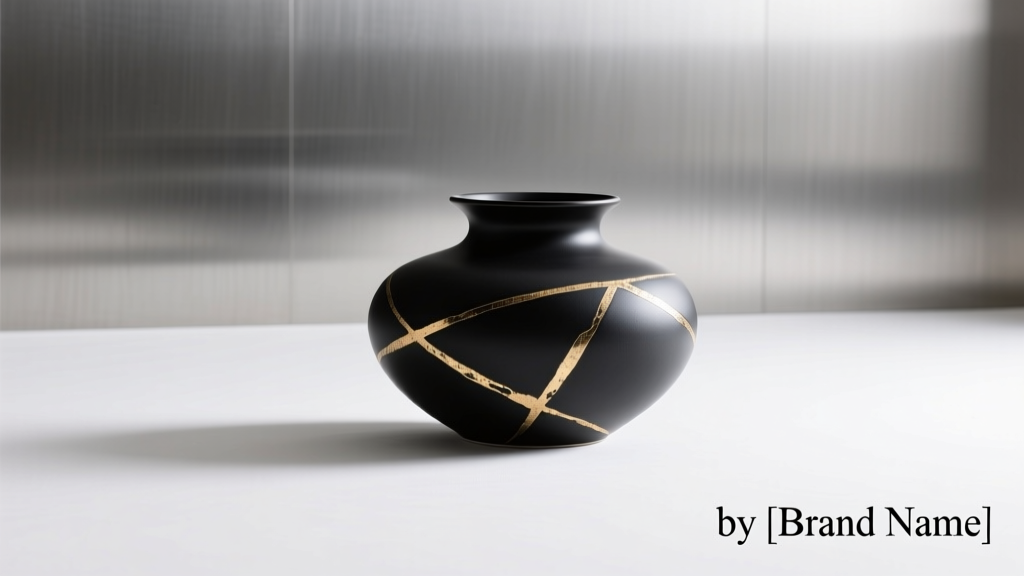
Large singing bowls—typically 9 inches (23 cm) and above—occupy a unique space in sound healing, meditation, and therapeutic practice. Their deep resonance, sustained overtones, and physical presence make them powerful tools for grounding, chakra alignment, and group sound baths. Yet unlike smaller bowls, large ones demand careful evaluation: a poorly made 12-inch bowl can be unwieldy, acoustically muddy, or structurally fragile. Price alone is no guarantee of quality; some mass-produced “large” bowls are thin-walled, inconsistently tuned, or lack harmonic depth. This guide cuts through marketing claims to focus on what truly matters—material integrity, sonic behavior, ergonomic design, and proven craftsmanship—so you invest in a bowl that serves your practice for decades, not just months.
Understanding Size: Why “Large” Isn’t Just About Diameter
When vendors label a bowl “large,” they usually refer to diameter—but that number tells only part of the story. A 10-inch bowl with shallow depth and thin walls behaves very differently from a 10-inch bowl with steep sides and substantial weight. True acoustic size depends on three interrelated dimensions: outer diameter, inner depth, and wall thickness. For example, a 12-inch bowl with 3.5 inches of depth and 8 mm wall thickness will produce a richer fundamental tone and longer sustain than a 12-inch bowl with 2.2 inches of depth and 4.5 mm walls—even if both weigh nearly the same.
Most practitioners find bowls between 9 and 14 inches optimal for solo use. Bowls under 9 inches rarely deliver the immersive, chest-vibrating resonance associated with large bowls. Those over 14 inches become increasingly difficult to play comfortably with a mallet—especially for seated practice—and require more force to activate fully. They also demand greater storage space and pose higher risk of damage during transport or handling.
Tip: Measure your playing surface before purchasing. A 12-inch bowl needs at least 14 inches of clear table or floor space to rest safely without overhanging edges.Material Matters: Brass, Bronze, and the Myth of “7-Metal” Alloys
The most common materials for large singing bowls are brass (copper + zinc) and bronze (copper + tin). Each offers distinct acoustic properties. Brass bowls tend to produce warmer, rounder fundamentals with quicker decay—ideal for breathwork or shorter meditative sequences. Bronze bowls generate sharper attack, longer sustain, and more complex overtone layers, making them preferred for extended sound baths and therapeutic applications where tonal clarity is critical.
“7-metal” or “12-metal” claims are largely marketing folklore. Traditional Himalayan bowls were typically cast from 3–5 metals (copper, tin, zinc, iron, lead, silver, gold), but historical metallurgical analysis shows consistent dominance of copper and tin—i.e., bronze. Modern alloy labeling often reflects symbolic intent rather than measurable composition. What matters empirically is density, hardness, and consistency—not the number of metals listed.
“The idea that adding trace amounts of silver or gold improves sound quality has no basis in acoustics. What *does* matter is uniform grain structure and absence of voids or cold seams in the casting.” — Dr. Lena Sharma, Acoustic Metallurgist, Institute of Ethnomusicology & Materials Science
Look instead for evidence of hand-hammered construction. Machine-spun bowls may appear smooth and symmetrical, but they lack the micro-variations in wall thickness that generate rich harmonics. Hand-hammered bowls show visible hammer marks and subtle asymmetry—signs of intentional sonic shaping.
Sonic Evaluation: How to Assess Sound Quality Before You Buy
You cannot reliably assess a large singing bowl’s sound quality from a short audio clip or vendor description. Real-world performance depends on interaction between the bowl, mallet, playing surface, and environment. That said, certain objective traits indicate craftsmanship and acoustic viability:
- Fundamental tone stability: When struck gently with a padded mallet, the primary note should emerge cleanly within 0.5 seconds and hold steady—not waver, drop, or flutter.
- Overtone clarity: While rubbing the rim, listen for at least two distinct, audible overtones above the fundamental (e.g., a 12-inch bowl tuned to C2 should clearly project G3 and E4).
- Sustain duration: A well-made 10–12 inch bowl should resonate audibly for 45–75 seconds after vigorous rimming on a stable surface. Below 30 seconds suggests poor metal density or excessive thinning.
- Harmonic balance: No single overtone should dominate to the point of dissonance. The blend should feel cohesive, not chaotic or shrill.
Crucially, test the bowl *as you intend to use it*. If you’ll place it on a cushion during meditation, try it there—not just on a wooden table. Cushions dampen high frequencies and emphasize fundamentals; hardwood surfaces enhance brightness and complexity. A bowl that sounds “flat” on foam may sing gloriously on wood—and vice versa.
Construction & Craftsmanship: What to Inspect (Even Online)
Because many buyers purchase large singing bowls remotely, knowing what to scrutinize in product photos and descriptions is essential. Use this checklist before finalizing a purchase:
Checklist: Pre-Purchase Inspection✓ Wall thickness measured at the rim (should be ≥6 mm for bowls 10\"+)
✓ Visible hammer marks—not polished away—indicating hand-forged origin
✓ No cracks, pits, or uneven seams near the base or rim
✓ Rim is smooth but not glassy; slight texture helps mallet grip
✓ Base sits flat without wobble on a level surface
✓ Weight falls within expected range (e.g., 12-inch bronze: 4.5–6.5 kg)
✓ Vendor provides tuning note *and* octave (e.g., “F2”, not just “F”)
Weight is especially revealing. A 12-inch brass bowl weighing under 3.8 kg is likely undersized or excessively thinned. Conversely, a 13-inch bowl weighing over 8 kg may be overly thick-walled, resulting in sluggish response and difficulty activating overtones. Ideal weight correlates closely with intended use: heavier bowls excel in stationary settings (clinics, studios); lighter large bowls (within spec) suit traveling practitioners.
| Feature | Acceptable Range (10–12 inch bowls) | Red Flag |
|---|---|---|
| Rim Thickness | 6��9 mm | <5 mm or >10 mm |
| Base Flatness | No rocking on level surface | Wobbles >1 mm when pressed |
| Tuning Accuracy | ±15 cents deviation from stated note | No tuning info provided |
| Surface Finish | Even patina or light polish; no blotchy discoloration | Glossy, mirror-like finish (often hides flaws) |
| Sound Decay Curve | Gradual, exponential fade—not sudden cutoff | Sharp drop-off after 20 seconds |
Real-World Use Case: A Studio Practitioner’s Experience
Maya Rodriguez, a certified sound therapist in Portland, Oregon, replaced her aging 11-inch brass bowl after noticing diminishing sustain and inconsistent overtones during client sessions. She tested seven bowls—from a $299 machine-spun option to a $1,450 hand-hammered Nepalese bronze—over three weeks. Her findings were counterintuitive: the most expensive bowl had the shortest sustain (52 seconds) due to an unusually narrow rim profile, while a mid-range ($780) 11.5-inch bronze bowl from a small Kathmandu workshop delivered 83 seconds of clean resonance and exceptional overtone separation. Crucially, its weight (5.2 kg) allowed her to lift and reposition it easily between floor and table setups—a factor she’d overlooked until hands-on testing. Maya now recommends clients prioritize *playability testing* over pedigree or price, noting, “If I can’t maintain steady rimming for 90 seconds without fatigue, the bowl isn’t serving the session—it’s fighting me.”
Step-by-Step: How to Test a Large Singing Bowl In Person
When evaluating in person—whether at a shop, fair, or studio—follow this sequence to avoid sensory overload and ensure objective assessment:
- Initial inspection (1 minute): Check rim thickness, base stability, and surface integrity. Reject any with visible cracks or severe pitting.
- Strike test (30 seconds): Tap the bowl firmly with a medium-weight felt mallet. Listen for clarity of the fundamental and absence of buzzing or rattling.
- Rimming baseline (2 minutes): Using steady pressure and consistent speed, rim clockwise for 60 seconds. Note ease of activation, volume build-up, and initial overtone emergence.
- Dynamic variation (2 minutes): Repeat rimming at three pressures: light (just enough to sustain), medium (standard), and firm (max comfortable effort). Observe how overtones shift and whether the fundamental remains anchored.
- Decay observation (1.5 minutes): Stop rimming abruptly and time how long each frequency layer remains audible. Use a tuner app to verify pitch stability across decay.
- Ergonomic check (1 minute): Hold the bowl cradled in both hands at chest height for 30 seconds. Assess comfort, balance, and strain on wrists/shoulders.
This 8-minute protocol reveals far more than casual playing. It exposes inconsistencies in casting, weaknesses in harmonic architecture, and practical limitations masked by initial “wow” factor.
FAQ
Do larger singing bowls always produce lower notes?
Generally yes—but not universally. A 13-inch bowl made from thin, low-density brass may resonate higher than a dense, thick-walled 10-inch bronze bowl. Wall thickness and alloy density exert greater influence on pitch than diameter alone. Always verify the actual tuning note, not assumptions based on size.
Can I use a large singing bowl for personal meditation—or is it only for groups?
Absolutely for personal use. Large bowls offer profound somatic feedback—felt as vibration in the sternum, jaw, and skull—that enhances embodied awareness. Their slower attack and deeper resonance support longer, quieter meditation phases. Just ensure your playing space accommodates the bowl’s footprint and acoustic projection without causing disturbance.
How important is the mallet? Can I use the same one for all large bowls?
Critical. A large bowl requires a mallet with appropriate weight (180–300 g), shaft length (28–35 cm), and head density. Soft wool-wrapped mallets emphasize fundamentals; harder silicone or maple heads unlock overtones. Using a mallet designed for a 6-inch bowl on a 12-inch one will result in weak activation and muffled tone. Invest in at least two mallets per large bowl: one for striking, one for rimming.
Conclusion
Choosing the best large singing bowl is less about finding the biggest or most ornate piece—and far more about matching acoustic integrity, physical ergonomics, and craft authenticity to your intention. A 10.5-inch hand-hammered bronze bowl tuned to G2, with balanced overtones and thoughtful weight distribution, will serve a daily meditation practice more faithfully than a flashy 13-inch bowl with compromised metallurgy. Trust tactile feedback over glossy photos. Prioritize measurable traits—rim thickness, sustain duration, tuning accuracy—over unverifiable claims. And remember: the finest bowl is the one that resonates not just in the room, but within you—inviting stillness, deepening presence, and anchoring you in vibration long after the last note fades.
💬 Your experience matters. Share which large singing bowl transformed your practice—or what question held you back from purchasing. Real insights help others choose wisely.








