
Selecting a dog isn’t just about picking the cutest face from a photo—it’s a decision that affects your daily routine, home environment, and emotional well-being for over a decade. With thousands of breeds and countless mixed-breed dogs available, the right match depends not on popularity, but on alignment with your lifestyle. Whether you live in a high-rise apartment, hike weekly, work long hours, or have young children, the ideal dog complements your world—not forces you to adapt to theirs.
Understand Your Lifestyle Realistically
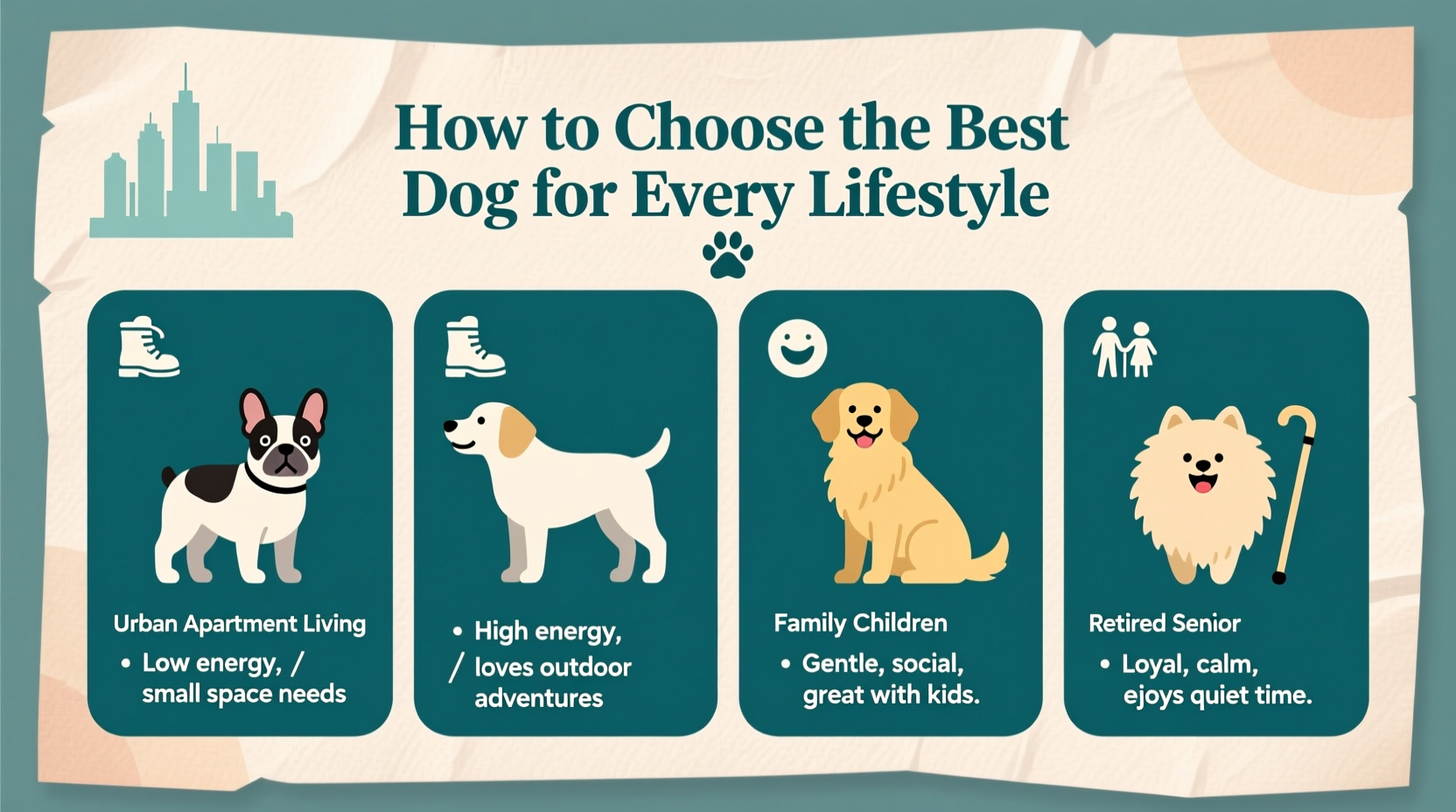
Before researching breeds, take an honest inventory of your daily life. Dogs thrive when their needs—physical, mental, and social—are consistently met. A mismatch leads to behavioral issues, stress, and often rehoming.
Consider:
- Time availability: Can you walk, play, and train a dog twice daily?
- Activity level: Are you sedentary, moderately active, or an outdoor enthusiast?
- Living space: Do you have a yard, or are you in a compact urban apartment?
- Work schedule: Will the dog be alone for 8+ hours most days?
- Household members: Are there kids, seniors, or other pets?
Breed Traits Matter More Than Looks
While it's tempting to fall for a fluffy Samoyed or a sleek Greyhound, each breed has ingrained traits shaped by centuries of selective breeding. These instincts drive behavior far more than training can override.
For example:
- Herding breeds (e.g., Border Collies) may nip at heels or try to \"manage\" children.
- Scent hounds (e.g., Beagles) follow smells relentlessly and can ignore recall commands.
- Guardian breeds (e.g., German Shepherds) are naturally wary of strangers and need early socialization.
“Choosing a dog based on appearance alone is like buying a car because of its color without checking the engine.” — Dr. Linda Harper, Veterinary Ethologist
Energy Level vs. Lifestyle Fit
A mismatch in energy is the top reason dogs end up in shelters. High-energy breeds like Australian Shepherds need structured activity—mental and physical—for 60–90 minutes daily. Without it, they develop destructive habits.
Conversely, lower-energy breeds like Basset Hounds or Bulldogs are content with short walks and lounging. They suit retirees or those with limited mobility.
Size Isn’t Just About Space—It’s About Strength and Longevity
While small dogs fit better in apartments, they often come with big-dog personalities. Chihuahuas and Jack Russell Terriers can be bold, vocal, and challenging for first-time owners.
Larger dogs, though requiring more room, are often calmer indoors. However, they consume more food, cost more in vet care, and have shorter lifespans—giant breeds like Great Danes often live only 7–10 years.
| Dog Size | Lifestyle Fit | Pros | Cons |
|---|---|---|---|
| Small (under 25 lbs) | Apartment living, seniors, low-activity households | Low space needs, portable, cheaper food costs | Fragile around kids, prone to barking, harder to train |
| Medium (25–50 lbs) | Active families, suburban homes | Balanced energy, adaptable, easier to handle | Still needs regular exercise and mental stimulation |
| Large/Giant (50+ lbs) | Homes with yards, active individuals | Loyal, calm indoors, great companions | Higher food/vet costs, shorter lifespan, strength requires training |
Adoption vs. Breeder: Weighing the Options
Purebred dogs from reputable breeders offer predictability in temperament and health, but responsible breeding is costly and ethically complex. Meanwhile, shelters house millions of dogs—including purebreds and designer mixes—often already house-trained and vet-checked.
When considering a breeder:
- Verify health clearances (hips, eyes, heart).
- Meet both parents if possible.
- Avoid online ads with no facility visits.
When adopting:
- Ask about behavior assessments.
- Inquire about history—rescue groups often know background details.
- Consider fostering first to test compatibility.
Mini Case Study: The Urban Professional’s Mismatch
Mark, a software developer in Chicago, adopted a Siberian Husky because he loved their wolf-like appearance. He lived in a 700-square-foot loft with no nearby park. Working 10-hour days, Mark relied on weekend hikes to compensate. Within months, the dog began howling all day, chewing furniture, and escaping the yard. Despite love and effort, the dog’s need for constant engagement and cold-weather activity made him miserable in the city. Mark eventually rehomed him to a rural family with acreage and time for sledding.
The lesson? Passion for a breed’s look isn’t enough. Function must precede form.
Your Dog-Choosing Checklist
Use this checklist before committing to any dog:
- ✅ Assess your weekly schedule: Can you dedicate 30–60 minutes daily to walks and play?
- ✅ Evaluate your home: Is it dog-proofed and suitable for the size/energy level?
- ✅ Budget for ownership: $1,000–$1,500 annually for food, vet care, supplies.
- ✅ Research specific breeds: Focus on temperament, grooming, and health issues.
- ✅ Meet the dog in person: Observe behavior around people, noise, and distractions.
- ✅ Talk to a veterinarian or trainer: Get an unbiased opinion on suitability.
- ✅ Consider adoption first: Many adult dogs are already trained and temperament-tested.
Common Myths That Mislead Buyers
Several myths cloud judgment when choosing a dog:
- Myth: “Small dogs don’t need much exercise.”
Truth: Even tiny breeds benefit from daily walks and mental challenges. - Myth: “Mixed breeds are always healthier.”
Truth: While genetic diversity helps, mixed breeds can still inherit serious conditions. - Myth: “Puppies are easier to train than adults.”
Truth: Puppies require intense time for housetraining, socialization, and bite inhibition—adults often skip these phases.
FAQ
How do I know if a breed is good with kids?
Look for breeds historically bred for family companionship—such as Golden Retrievers, Labradors, or Cavalier King Charles Spaniels. Always supervise interactions, regardless of breed. Temperament varies by individual, so meet the dog first.
Can I get a high-energy dog if I work full-time?
Only if you can provide alternatives: dog walkers, midday breaks, doggy daycare, or a second dog for company. Otherwise, opt for a moderate-energy breed or adopt an adult with proven independence.
Are hypoallergenic dogs truly allergy-free?
No dog is 100% hypoallergenic. Breeds like Poodles or Bichon Frises shed less dander, which may reduce reactions, but allergens also come from saliva and skin. Spend time with the breed first to test sensitivity.
Conclusion: Choose Compatibility Over Cuteness
The best dog for you isn’t the one winning conformation shows or trending on social media—it’s the one whose needs align with your capacity to meet them. Whether you’re a busy parent, a quiet retiree, or an adventure seeker, the right companion exists. Take time to reflect, research, and interact before making a lifelong commitment.
💬 Found your perfect match? Share your story or advice with others navigating this journey—your experience could help someone avoid a costly mistake and find lasting joy.








