Disney plush toys are more than just soft companions—they’re keepsakes, comforters, and symbols of beloved stories. From tiny keychain charms to life-sized replicas, the range of available sizes can make choosing the right one overwhelming. The ideal plush depends not only on personal preference but also on the recipient’s age, intended use, and gifting context. Selecting the right size ensures safety, enjoyment, and lasting value.
Understanding Disney Plush Size Categories
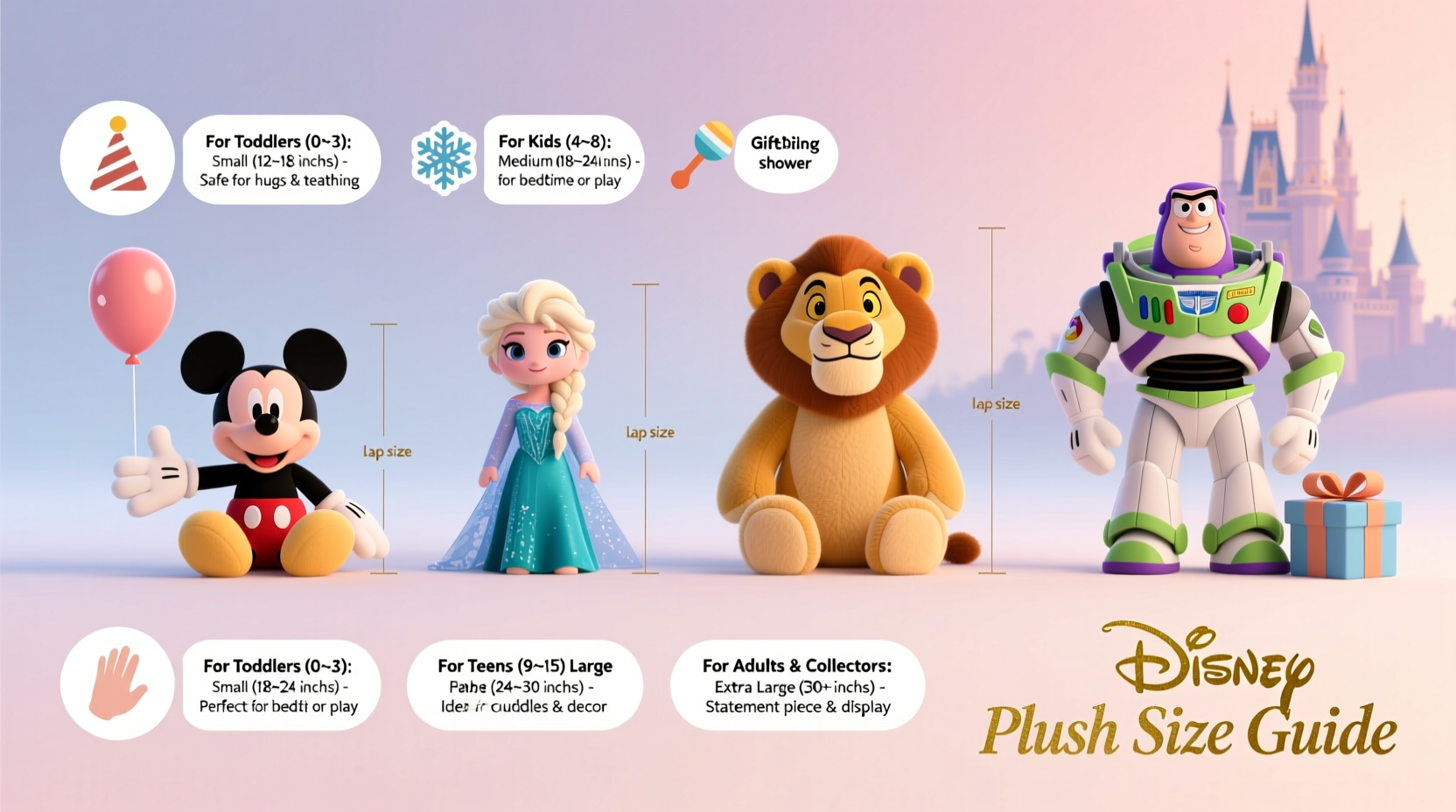
Disney officially categorizes its plush toys into several standard sizes, each serving different purposes. Familiarizing yourself with these categories helps narrow down choices based on practicality and emotional appeal.
| Size Category | Average Dimensions | Ideal For |
|---|---|---|
| Mini (Keychain/Small) | 3–6 inches | Toddlers, collectibles, bag accessories |
| Small | 7–10 inches | Ages 3+, travel companions, gift add-ons |
| Medium | 12–16 inches | Ages 5+, bedtime buddies, display shelves |
| Large | 18–24 inches | Ages 8+, hugging, room decor |
| Jumbo/Extra Large | 25+ inches | Colelctors, statement pieces, teen/adult fans |
While dimensions vary slightly between characters—Mickey’s ears or Simba’s mane may extend height—this framework provides a reliable starting point when shopping online or in-store.
Tip: Always check product specifications before purchase; some \"medium\" plushes may run larger due to character design.Choosing by Age: Safety, Engagement, and Development
Age is one of the most critical factors in selecting a safe and appropriate Disney plush. A toy perfect for a preschooler could be hazardous for an infant or too juvenile for a tween.
- Infants (0–12 months): Opt for small, lightweight plushes made from ultra-soft, non-toxic materials. Avoid detachable parts like plastic eyes or ribbons. Look for tags indicating “baby-safe” or compliance with ASTM F963 safety standards.
- Toddlers (1–3 years): Choose washable plushes around 8–12 inches. Characters like Mickey Mouse, Minnie, or Dory are recognizable and engaging without being overwhelming. Ensure stitching is tight and seams are reinforced.
- Preschoolers (4–6 years): Medium-sized plushes (12–16\") work well. At this stage, children begin forming emotional attachments to characters. Consider their current favorites—perhaps Elsa, Woody, or Stitch.
- School-age kids (7–12 years): Larger plushes become popular as kids seek comforting sleep companions. A 20-inch Baymax or Sully offers both fun and function. Be mindful of school rules if the plush will go back and forth.
- Teens and adults: Jumbo plushes (25\"+) or limited-edition collectibles are often preferred. These serve as decorative items or nostalgic gifts. Materials like premium velour or embroidered details enhance perceived quality.
“Plush toys play a vital role in emotional development, especially during early childhood. The right size fosters secure attachment without posing physical risks.” — Dr. Lena Peterson, Child Psychologist & Play Therapist
Matching Plush Size to Occasion
The event or purpose behind the gift dramatically influences the ideal size. A birthday calls for something exciting and substantial, while a hospital visit requires portability and comfort.
Birthday Gifts
For birthdays, medium to large plushes (16–24 inches) strike the perfect balance between impressiveness and usability. A 20-inch Nala or Buzz Lightyear feels special without dominating a child’s room.
Holiday Gifting (Christmas, Hanukkah)
Holidays allow for grand gestures. Jumbo plushes under the tree create instant joy. Pair oversized plushes with smaller stocking stuffers for layered excitement.
Travel or Comfort Companions
When flying or staying overnight, compact plushes (7–10 inches) fit easily in carry-ons. They provide familiarity without taking up space. A mini Moana or Olaf is ideal.
Collectors and Display Purposes
Adult collectors often prioritize accuracy and rarity over size, but larger editions (25\"+) make bold display statements. Limited-run releases from events like D23 Expo frequently come in jumbo formats.
Tip: For collector’s items, verify authenticity through official Disney retailers and retain original packaging for resale value.Step-by-Step Guide: How to Pick the Right Plush
Follow this five-step process to confidently select the perfect Disney plush:
- Determine the recipient’s age. Refer to safety guidelines and developmental appropriateness.
- Assess the primary use. Will it be hugged daily, displayed, or carried around?
- Measure available space. If it's for a bedroom, ensure the plush fits on the bed or shelf without crowding.
- Consider the character’s popularity. Choose someone currently loved—not just a classic—to maximize emotional connection.
- Check care instructions. Larger plushes are harder to clean. Machine-washable options are preferable for young children.
Real-Life Example: Choosing for a Hospital Stay
Sarah wanted to comfort her 6-year-old nephew during a week-long hospital stay after surgery. She considered a large plush but realized it wouldn’t fit in his bedside locker and would be difficult to sanitize. Instead, she chose a 9-inch plush of his favorite character, WALL-E. It was small enough to hold comfortably during recovery, easy to clean with wipes, and became a source of daily joy. Nurses even used it to explain procedures in a playful way.
This example shows that bigger isn’t always better—the right size enhances functionality and emotional support.
Do’s and Don’ts at a Glance
| Do’s | Don’ts |
|---|---|
| Choose machine-washable plushes for young kids | Give large plushes to infants as sleep companions |
| Select sizes proportional to the child’s body | Ignore manufacturer age recommendations |
| Use jumbo plushes as room centerpieces | Buy oversized toys for frequent travelers |
| Verify material quality for allergy-sensitive recipients | Overlook storage needs in small bedrooms |
Frequently Asked Questions
What is the safest Disney plush size for toddlers?
Plushes between 8 and 12 inches are generally safest for toddlers. Avoid those with small, detachable parts, long ribbons, or loose stitching. Look for labels indicating compliance with U.S. toy safety standards (ASTM F963).
Can older kids still enjoy small plushes?
Absolutely. Older children may prefer smaller plushes for practical reasons—easy transport, subtle fandom expression, or collecting multiple characters. Size doesn’t dictate maturity level; personal preference does.
Are bigger plushes worth the extra cost?
It depends on use. For collectors or as centerpiece decor, jumbo plushes offer high visual impact and sentimental value. For active play or young children, medium-sized plushes often provide better durability and usability per dollar spent.
Final Thoughts: Make Every Hug Count
Choosing the best Disney plush size isn’t about picking the biggest or flashiest option—it’s about matching emotion with practicality. Whether it’s a tiny Dumbo for a toddler’s first backpack or a towering Mushu for a fan’s movie-night couch, the right size transforms a simple toy into a meaningful experience. Consider age, occasion, space, and sentiment, and you’ll find a plush that brings genuine delight.
💬 Found the perfect Disney plush for someone special? Share your story or tips in the comments—your insight could help another shopper make a joyful choice.








