Selecting the right plush toy for a young child goes far beyond cuteness. While soft, cuddly animals are beloved by kids and often become cherished companions, not all plush toys are created equal when it comes to safety and longevity. For parents, the priority must be ensuring that every stuffed animal in their child’s room meets rigorous safety standards and is built to withstand daily play, hugs, and occasional washes. With so many options on the market—ranging from mass-produced imports to handcrafted heirlooms—knowing what to look for can make all the difference.
Understanding Safety Standards for Plush Toys
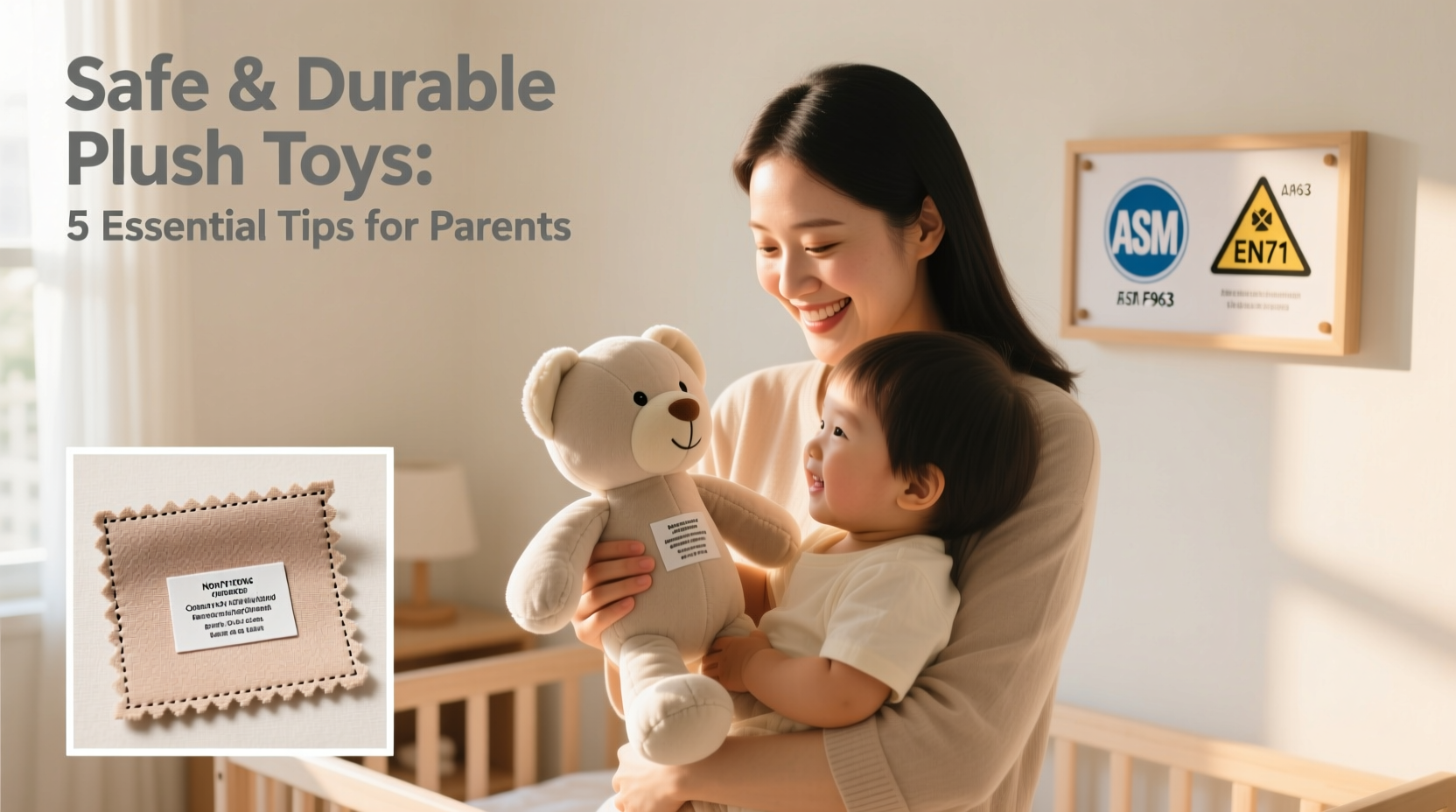
Before falling in love with a toy’s appearance, parents should verify that it complies with recognized safety regulations. In the United States, the Consumer Product Safety Commission (CPSC) enforces strict guidelines under the Consumer Product Safety Improvement Act (CPSIA). These include limits on lead, phthalates, and other hazardous substances commonly found in textiles and dyes.
Look for labels indicating compliance with ASTM F963, the standard for toy safety established by ASTM International. This covers mechanical, flammability, and chemical hazards. Additionally, toys intended for children under three must meet specific requirements regarding small parts to prevent choking.
“Always check for sewn-in labels that confirm third-party testing. A reputable manufacturer will proudly display compliance with U.S. or EU safety standards.” — Dr. Lena Patel, Pediatric Safety ConsultantTip: Avoid plush toys with long ribbons, strings longer than 7 inches, or detachable accessories that could pose strangulation or choking risks.
Materials Matter: What Your Child Touches Every Day
The fabric used in plush toys directly impacts both safety and durability. Natural fibers like cotton and organic wool are breathable and less likely to cause skin irritation, making them ideal for babies and toddlers with sensitive skin. However, they may require more careful washing and can be prone to shrinking.
Synthetic materials such as polyester are common due to their resilience and affordability. High-quality polyester is hypoallergenic and holds up well over time, but lower-grade versions may shed fibers or contain chemical residues from manufacturing.
Filling is equally important. Most plush toys use polyester stuffing, which should be tightly packed and evenly distributed. Poorly stuffed toys lose shape quickly and may develop lumps or thin spots where seams are stressed.
| Material Type | Pros | Cons |
|---|---|---|
| Organic Cotton | Hypoallergenic, eco-friendly, soft texture | Less durable, higher cost, requires gentle care |
| Polyester Fabric | Durable, affordable, easy to clean | Can trap heat, lower breathability |
| Recycled Fabrics | Sustainable, increasingly available | May vary in softness and consistency |
Construction Quality: Signs of a Well-Made Plush Toy
A plush toy’s design and craftsmanship determine how long it lasts through rough play and repeated washing. Examine stitching closely—double-stitched seams and reinforced joints at ears, limbs, and tails indicate superior construction. Loose threads or uneven stitching are red flags.
Pay special attention to attachment points. Eyes, noses, and buttons should be securely embroidered rather than plastic or glued-on pieces, especially for children under age 3. Embroidered features eliminate the risk of small parts detaching and being swallowed.
Zippers, if present (such as in educational or interactive toys), should be covered with fabric flaps to prevent pinching. Tags should be fabric-based and sewn into side seams—not hanging loosely where they can be chewed or torn off.
Tip: Perform a “tug test” before purchase—gently pull on limbs and facial features to ensure they won’t come loose during play.Real Example: One Parent’s Experience
Sarah, a mother of two in Portland, learned the hard way after buying an inexpensive plush bear online. Within two weeks, her 18-month-old had pulled off one of the plastic eyes. “I didn’t think to check closely,” she said. “Thankfully I caught it before he put it in his mouth, but it scared me. Now I only buy toys with embroidered faces and check reviews specifically about durability.”
She now looks for brands that specialize in baby-safe plush and prioritize transparency in materials. Her go-to brand includes a QR code on the tag linking to sourcing and safety certification details—a growing trend among ethical manufacturers.
Washability and Long-Term Care
Kids get messy. Plush toys inevitably end up in sandboxes, spilled drinks, and muddy strollers. That’s why washability is non-negotiable. Always check the care label before purchasing. Machine-washable toys made with colorfast dyes and shrink-resistant fabrics save time and maintain hygiene.
When washing, use cold water on a gentle cycle and mild, fragrance-free detergent. Air drying is best to preserve shape and prevent damage to seams. Frequent machine drying can weaken fibers and cause stuffing to clump.
Inspect toys regularly for wear and tear. Discard any plush item with broken seams, exposed filling, or damaged features—even if it’s a favorite. Continuing to use a compromised toy increases the risk of ingestion hazards.
Step-by-Step Guide: Evaluating a Plush Toy Before Purchase
- Check Age Appropriateness: Confirm the toy is labeled for your child’s age group.
- Examine Attachments: Ensure eyes, noses, and ears are embroidered or firmly secured.
- Feel the Fabric: It should be soft but not overly thin or easily snagged.
- Inspect Stitching: Look for tight, even seams without loose threads.
- Review Labels: Verify safety certifications and washing instructions.
- Smell Test: Avoid toys with strong chemical odors, which may indicate harmful off-gassing.
- Research the Brand: Check customer reviews and company policies on safety and sustainability.
Essential Checklist for Safe Plush Toy Selection
- ✅ Meets CPSIA and ASTM F963 safety standards
- ✅ No small, detachable parts (especially for under age 3)
- ✅ Embroidered facial features instead of plastic eyes/noses
- ✅ Made from non-toxic, hypoallergenic materials
- ✅ Machine-washable with clear care instructions
- ✅ Free of long strings, ribbons, or loops
- ✅ Strong, double-stitched seams and secure limbs
- ✅ Positive reviews focusing on durability and safety
Frequently Asked Questions
Are handmade plush toys safe for infants?
Handmade toys can be safe if the crafter follows strict safety guidelines—using embroidered details, high-quality fabrics, and secure construction. However, unlike commercial products, they may not undergo third-party safety testing. Ask the seller about materials and compliance with infant safety standards before purchasing.
How often should I wash plush toys?
Wash plush toys every 2–4 weeks under normal use. If a toy falls in dirt, gets wet, or is mouthed frequently by a teething baby, wash it immediately. Regular cleaning prevents buildup of bacteria, dust mites, and allergens.
What should I do if my child has allergies?
Choose toys made from natural, breathable fibers like organic cotton or bamboo. Avoid heavily scented toys or those treated with flame retardants. Washing new toys before use can help remove residual chemicals or allergens.
Final Thoughts: Prioritize Safety Without Sacrificing Comfort
Plush toys offer comfort, emotional support, and imaginative play value—but their role in a child’s life begins with responsible selection. By focusing on certified materials, thoughtful construction, and practical care, parents can provide toys that are both safe and capable of lasting through years of bedtime stories and playtime adventures.
💬 Your child’s safety starts with smart choices. Share this guide with fellow parents or caregivers to help others make informed decisions when choosing plush toys.








