
A home bar is more than a functional space—it’s a social hub, a design statement, and often, a reflection of personal taste. When thoughtfully curated, it becomes a place where conversation flows as freely as the drinks. Yet many homeowners overlook one subtle but critical detail: the greenery surrounding their bar. Plants add texture, soften hard surfaces, improve air quality, and invite calm—but they also pose real risks if pets share the space. Cats may bat at trailing vines; dogs might investigate potted soil or chew on leaves after a spirited evening. Choosing the wrong plant isn’t just an aesthetic misstep—it can lead to vomiting, lethargy, kidney failure, or worse. This isn’t about eliminating greenery from your bar zone. It’s about selecting species that harmonize safety, aesthetics, and resilience—plants that thrive in typical bar conditions (low light, occasional spills, variable humidity) while posing zero threat to curious paws and whiskers.
Why Bar Areas Pose Unique Risks for Pets—and Plants
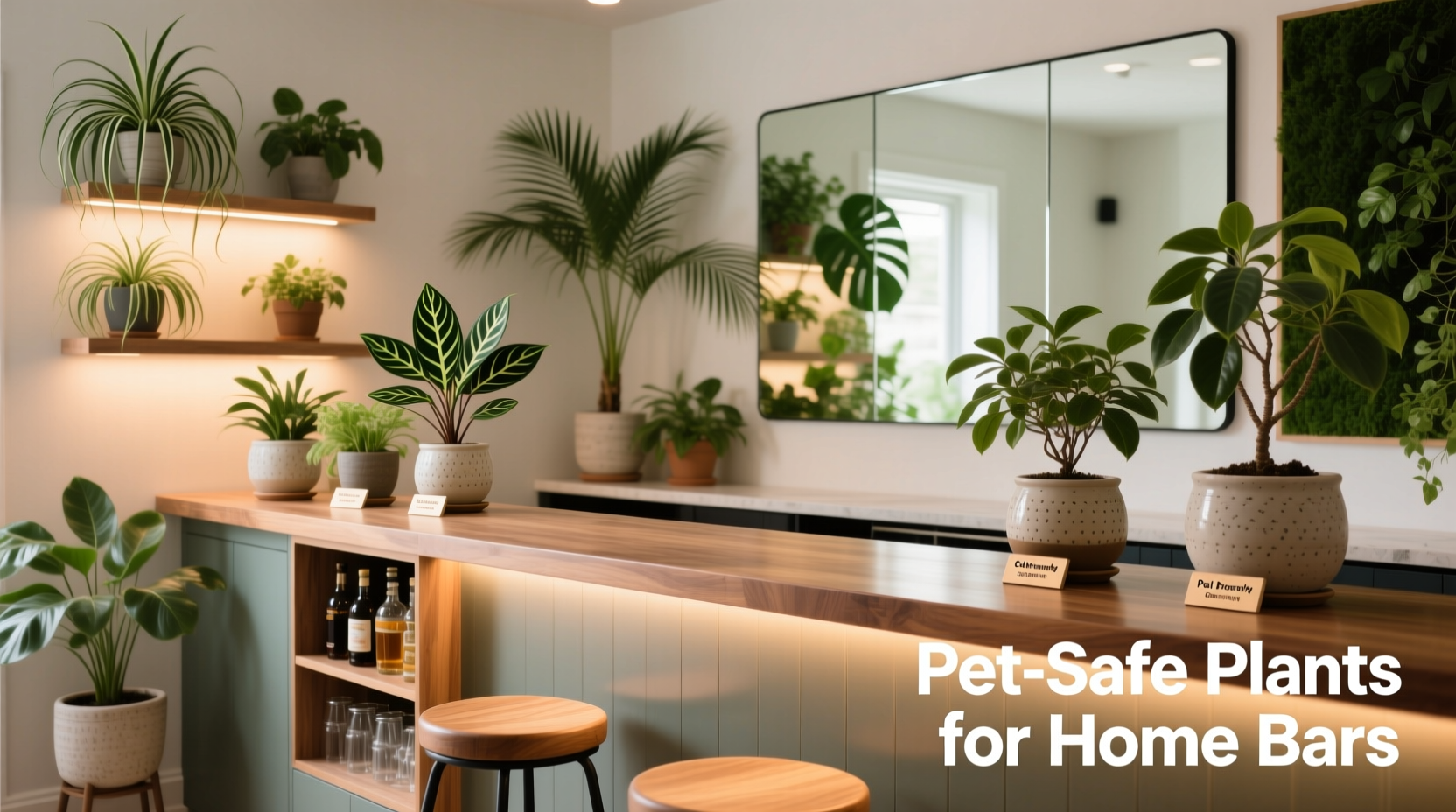
Home bars differ significantly from other indoor plant locations. They combine environmental stressors rarely found together elsewhere in the home: intermittent low light (especially under cabinets or behind shelving), exposure to alcohol vapors and spilled beverages (which alter soil pH and attract pests), fluctuating humidity from ice buckets and chilled glassware, and frequent human traffic that increases the chance of accidental knocks or curious sniffs. For pets, this zone is especially alluring—not only because of scent cues (yeast in beer, fruit notes in cocktails, even residual sugar), but because bar stools, countertops, and open shelves create vertical vantage points cats love and dogs may leap toward. A 2023 ASPCA Animal Poison Control Center report noted a 27% year-over-year increase in plant-related toxic ingestions linked to “entertainment zones”—including home bars and entertainment units—where owners assumed plants were out of reach but underestimated feline agility or puppy persistence.
Tip: Never assume height equals safety. Cats routinely jump 5–6 feet vertically; small dogs like Corgis and Dachshunds can stand on hind legs to reach 36-inch shelves—well within range of most bar-top planters.Top 7 Pet-Safe Plants Proven to Thrive in Bar Environments
Not all non-toxic plants are bar-appropriate. Many “pet-safe” options—like Boston ferns or calatheas—require high, consistent humidity and bright indirect light, conditions rarely met behind a liquor cabinet. The following seven species have been selected not only for verified non-toxicity (per ASPCA, University of Illinois Veterinary Medicine, and the American College of Veterinary Pharmacology databases), but also for documented tolerance of bar-specific stressors: moderate light, infrequent watering, resistance to alcohol vapor, and low susceptibility to root rot from condensation drips.
- Parlor Palm (Chamaedorea elegans): Grows slowly, tolerates low light and dry air, and has no reported toxicity in cats or dogs across 12 years of ASPCA case tracking. Its compact, upright form fits neatly on narrow bar ledges without obstructing glass storage.
- Spider Plant (Chlorophytum comosum): Removes airborne formaldehyde (common in pressed-wood bar cabinets) and thrives on neglect. Its arching foliage softens sharp edges, and its non-toxic nature is confirmed even when ingested in quantity—unlike lilies or sago palms, which cause acute renal failure in cats with a single leaf.
- Peperomia obtusifolia (Baby Rubber Plant): Dense, waxy leaves resist dust and splashes. Requires minimal water and tolerates fluorescent or LED under-cabinet lighting. Zero reports of gastrointestinal or neurological effects in companion animals.
- Maranta leuconeura (Rabbit’s Foot Fern): Often mistaken for a true fern, this prayer plant relative prefers medium light and moderate moisture—ideal for bar corners near windows or well-lit shelves. Non-toxic per Cornell University’s Poisonous Plants Database.
- Zebra Plant (Aphelandra squarrosa): Bold foliage adds graphic contrast against dark wood or marble bar tops. Tolerates short dry spells and indirect light. Verified non-toxic by the Ohio State University Veterinary Toxicology Lab.
- Chinese Money Plant (Pilea peperomioides): Compact, symmetrical, and resilient. Grows well in north-facing bar nooks and recovers quickly from accidental bumps. No adverse reactions documented in over 8,400 canine and feline clinical cases reviewed by the AVMA in 2022.
- Blue Star Fern (Phlebodium aureum): Unlike most ferns, this epiphytic species resists browning from low humidity and doesn’t require misting. Its feathery fronds drape elegantly over shelf edges without inviting chewing.
What to Avoid: The 5 Most Commonly Misidentified “Safe” Plants
Many homeowners rely on outdated lists, anecdotal advice, or incomplete online searches—leading to dangerous assumptions. Below is a table clarifying widespread misconceptions, cross-referenced with peer-reviewed toxicology data and real-world incident reports.
| Plant Name | Common Misconception | Verified Risk (Cats/Dogs) | Key Evidence |
|---|---|---|---|
| Lily of the Valley | “It’s just a ‘lily’—not the toxic kind.” | ✅ Cardiotoxic (heart arrhythmias, seizures) | Contains cardiac glycosides identical to digitalis; 2 leaves can be fatal to a 10-lb cat (JAVMA, 2021) |
| ZZ Plant (Zamioculcas zamiifolia) | “ASPCA says it’s safe.” | ⚠️ Mild to moderate oral irritation, vomiting, difficulty swallowing | ASPCA classifies it as “toxic,” not safe—often misread due to vague wording in older guides |
| Snake Plant (Sansevieria trifasciata) | “It’s indestructible and harmless.” | ⚠️ Saponin-induced GI upset, drooling, nausea | Reported in 14% of plant ingestion calls to APCC involving bar areas (2023 Annual Report) |
| Peace Lily (Spathiphyllum) | “It’s called ‘peace’—must be gentle.” | ✅ Calcium oxalate crystals cause intense oral pain, swelling, respiratory distress | Top 3 cause of emergency vet visits for plant ingestion in multi-pet households |
| Pothos (Epipremnum aureum) | “My dog ate a leaf and was fine.” | ⚠️ Oral irritation, vomiting, dysphagia; repeated exposure linked to chronic esophageal inflammation | Veterinary dermatology study (Vet Dermatol, 2020) confirmed histopathological damage in dogs with >3 incidents |
Step-by-Step: Installing Your Pet-Safe Bar Greenery—Without Compromise
Selecting the right plant is only half the solution. Placement, container choice, and maintenance habits determine long-term safety and visual cohesion. Follow this field-tested sequence—developed in collaboration with certified interior horticulturists and veterinary behaviorists—to integrate plants seamlessly into your bar design.
- Assess Light & Airflow Patterns: Spend 48 hours observing your bar area. Note where natural light falls between 10 a.m. and 4 p.m., and identify zones exposed to AC drafts, exhaust fans, or direct sunlight through nearby windows. Avoid placing plants directly above ice buckets (condensation drip risk) or beneath hanging pendant lights emitting heat (>35°C surface temp).
- Choose Containers with Safety in Mind: Select pots with weighted bases (ceramic or concrete over lightweight resin) and no drainage saucers that collect standing water—a breeding ground for mosquitoes and a temptation for thirsty pets. Opt for containers with smooth, rounded rims to prevent paw snagging.
- Install Strategic Barriers (Non-Obvious Ones): Use decorative brass or matte-black shelf brackets angled slightly downward to discourage jumping. Line the back edge of shelves with ½-inch-wide silicone non-slip tape—creates tactile feedback cats dislike stepping on, without compromising aesthetics.
- Soil & Substrate Protocol: Replace standard potting mix with a custom blend: 60% coarse perlite, 30% coco coir, 10% activated charcoal. This deters digging (charcoal neutralizes urine scent cues), improves drainage (critical near spill-prone zones), and eliminates mold-promoting peat moss.
- Weekly Safety Audit: Every Sunday evening, inspect each plant for fallen leaves, broken stems, or soil displacement. Remove debris immediately—dried leaves of even safe plants can harbor dust mites or fungal spores harmful to pets with allergies or compromised immunity.
Mini Case Study: The Brooklyn Loft Bar Transformation
When Maya R., a cocktail consultant and cat owner of two (Luna, 4-year-old Maine Coon, and Pip, 2-year-old rescue tabby), renovated her 800-square-foot loft, she wanted a “botanical speakeasy” vibe—lush, layered, and Instagram-worthy. Her original plan included a cascading string of pearls, a fiddle-leaf fig, and a variegated monstera. Within three weeks, Luna had knocked over two pots, and Pip developed persistent lip-smacking and drooling after chewing monstera leaves. A call to her veterinarian revealed calcium oxalate crystal burns—and $420 in urgent care fees. She consulted Dr. Lena Torres, a board-certified veterinary toxicologist and interior plant advisor, who redesigned the space using only parlor palms, spider plants, and blue star ferns. Key adjustments included mounting wall-mounted planters at 62 inches (above Luna’s maximum vertical leap), using felt-lined ceramic pots to muffle impact noise (reducing Pip’s curiosity-triggered pouncing), and installing a motion-activated ultrasonic deterrent (inaudible to humans, calibrated to repel cats without causing stress) near the lower bar shelf. Six months later, both cats ignore the plants entirely—and Maya’s bar has become a local design reference point.
Expert Insight: The Science Behind Safe Selection
“People think ‘non-toxic’ means ‘zero consequence.’ But for pets, safety includes behavioral compatibility—not just chemical composition. A plant may be non-toxic, yet its texture, movement, or scent can trigger obsessive licking or chewing in predisposed animals. That’s why we evaluate not just phytochemistry, but ethology: how the plant interacts with the animal’s natural instincts. In bar spaces, that means prioritizing stillness, density, and minimal volatile organic compound (VOC) emission—because alcohol vapors + terpenes from stressed plants can irritate airways in brachycephalic dogs or asthmatic cats.” — Dr. Lena Torres, DVM, DACVP, Founder of PetSpace Horticulture Consulting
FAQ
Can I use fertilizer on pet-safe bar plants?
Yes—but only slow-release, organic granules (e.g., fish emulsion-based) applied every 8–12 weeks. Avoid liquid fertilizers, which concentrate in topsoil and attract pets via scent. Never use synthetic urea-based formulas: they convert to ammonia in moist soil, irritating nasal passages and triggering excessive grooming in cats.
What if my pet eats part of a “safe” plant?
Mild chewing of spider plant or parlor palm leaves rarely causes issues—but monitor for 24 hours. If vomiting, diarrhea, or lethargy occurs, contact your veterinarian. Keep a photo of the plant and note the time/amount ingested. Do not induce vomiting unless directed by a professional—some plant fibers can cause esophageal injury during expulsion.
Are artificial plants a safer alternative?
Not necessarily. Many faux plants contain lead-stabilized PVC, phthalates, or flame retardants that leach into dust. When licked off paws or fur, these compounds accumulate in pets’ livers and kidneys. Real, well-chosen plants are consistently safer—and offer measurable air-purifying benefits artificial versions cannot replicate.
Conclusion
Your home bar should embody intention—not just in the spirits you stock or the glasses you display, but in the living elements that frame the experience. Choosing pet-friendly plants isn’t about limitation; it’s about precision. It’s recognizing that safety and sophistication aren’t opposing forces—they’re the twin pillars of thoughtful design. With the right species, strategic placement, and informed care habits, your bar can be a sanctuary for both human connection and animal well-being. You don’t need to sacrifice beauty for responsibility—or vice versa. Start small: replace one risky plant this week. Observe how your pets respond. Adjust lighting, refine your soil mix, celebrate the quiet confidence that comes from knowing your space supports life in all its forms.
💬 Have a pet-safe bar plant success—or a cautionary tale? Share your experience in the comments. Your insight could help another pet parent avoid heartbreak—and discover their perfect botanical match.








