Toddlers explore the world through touch, taste, and sound. Their natural curiosity means they often put objects in their mouths, making toy safety a critical concern for parents. Unfortunately, not all toys on the market are created equal—some contain harmful chemicals like phthalates, lead, or formaldehyde that can impact a child’s developing brain and body. Choosing non-toxic toys isn’t just about avoiding danger; it’s about creating a safe environment where your child can learn, grow, and thrive without unseen risks.
With countless options available—from wooden blocks to electronic gadgets—navigating toy safety labels and materials can feel overwhelming. This guide breaks down what truly makes a toy non-toxic, which certifications matter, and practical steps you can take today to ensure every toy in your home supports your toddler’s health.
Understanding Toxins in Children’s Toys
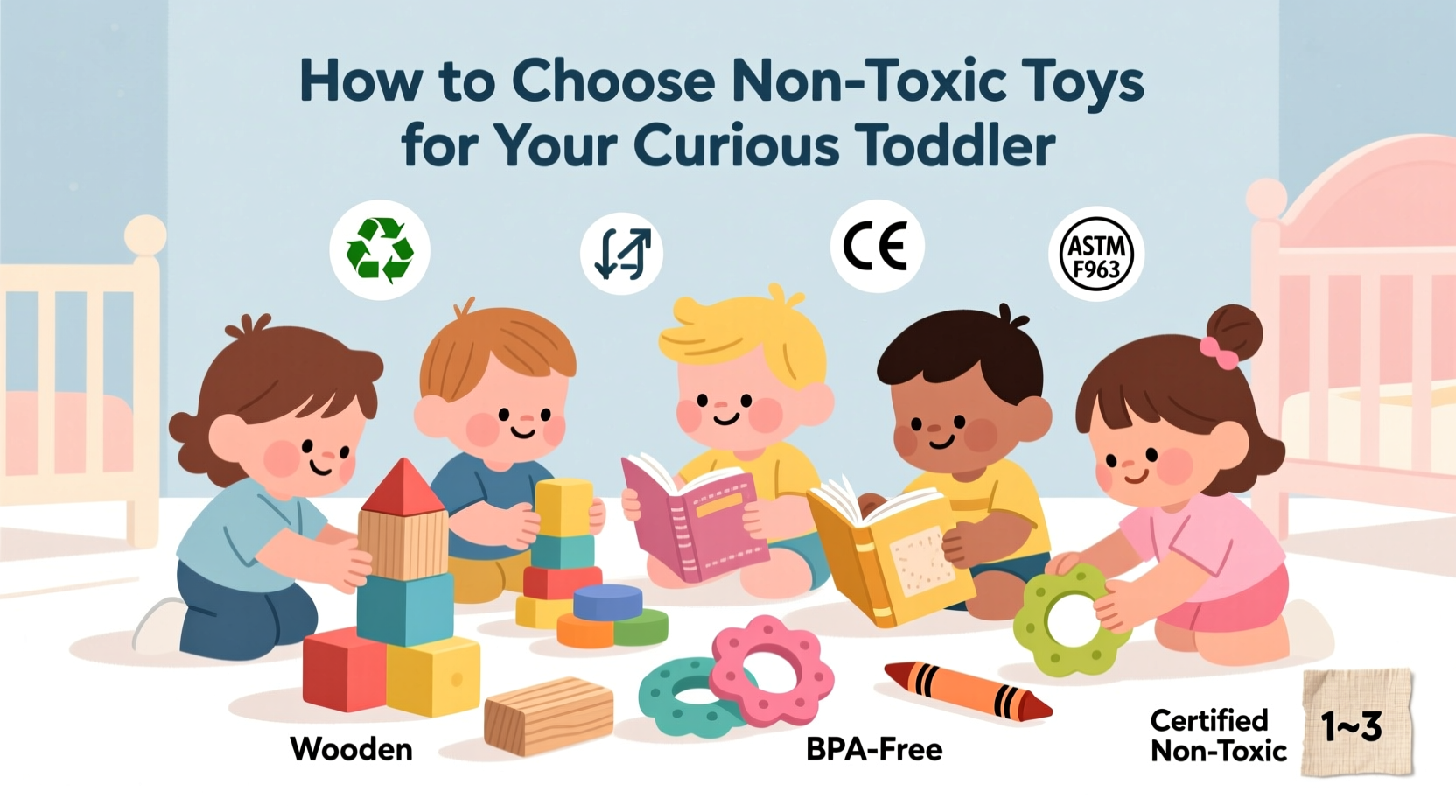
Toys are more than playthings—they’re tools for cognitive development, motor skill building, and emotional growth. But when toys contain hazardous substances, they can pose long-term health risks. Toddlers are especially vulnerable because their bodies are still developing, and their behaviors (like mouthing objects) increase exposure risk.
Common toxins found in some children’s toys include:
- Phthalates: Used to soften plastics, these endocrine disruptors have been linked to developmental issues and hormone imbalances.
- BPA (Bisphenol A): Found in polycarbonate plastics, BPA mimics estrogen and may affect neurological development.
- Lead: Sometimes present in paint or metal components, even low levels of lead exposure can impair IQ and behavior.
- Formaldehyde: Emitted from certain pressed wood products or adhesives used in toy construction; a known carcinogen.
- PVC (Polyvinyl Chloride): Often contains chlorine-based compounds and plasticizers that may off-gas over time.
The U.S. Consumer Product Safety Commission (CPSC) sets limits on these substances, but enforcement varies, and not all manufacturers comply uniformly—especially with imported goods. That’s why proactive selection is essential.
“Children are not little adults. Their metabolic rates, organ development, and exposure patterns make them uniquely sensitive to environmental toxins.” — Dr. Sarah Janssen, MD, PhD, Environmental Health Specialist
Key Materials to Look For (and Avoid)
The material of a toy plays a major role in its safety profile. Some materials are inherently safer due to their natural composition and minimal processing.
Tip: When in doubt, opt for toys made from solid wood, food-grade silicone, or organic cotton—materials less likely to harbor hidden chemicals.Safer Materials
- Solid Wood (Unfinished or Naturally Finished): Hardwoods like maple, beech, or birch are durable and free of synthetic binders if untreated or finished with plant-based oils.
- Organic Cotton & Wool: Ideal for soft toys; look for GOTS (Global Organic Textile Standard) certification.
- Food-Grade Silicone: Safe for teething toys; inert, non-porous, and resistant to bacterial growth.
- Stainless Steel: Increasingly used in teethers and utensils; naturally non-toxic and long-lasting.
Materials to Avoid
- PVC Plastic: Often labeled as “vinyl”; check packaging or product descriptions carefully.
- Polystyrene Foam: Common in bath toys and puzzle mats; can degrade and release microplastics.
- MDF or Particleboard: Composite woods may contain formaldehyde-based glues.
- Plastic with Recycling Code #3: Indicates PVC content.
| Material | Safe? | Why / Why Not |
|---|---|---|
| Solid Beech Wood | ✅ Yes | Natural, sturdy, and typically finished with beeswax or plant oils. |
| Recycled Plastic (#7) | ⚠️ Caution | #7 is a catch-all category; may contain BPA unless explicitly labeled “BPA-free”. |
| Organic Cotton (GOTS-Certified) | ✅ Yes | Grown without pesticides and processed without toxic dyes. |
| Vinyl (PVC) Bath Toy | ❌ No | May leach phthalates; prone to mold inside hollow parts. |
| Stainless Steel Teether | ✅ Yes | Inert, easy to clean, no chemical off-gassing. |
Step-by-Step Guide to Selecting Non-Toxic Toys
Finding safe toys doesn’t require becoming a chemist—but it does require attention to detail. Follow this five-step process before purchasing any toy:
- Check the Label for Material Composition: Look beyond marketing terms like “eco-friendly” or “natural.” Demand specifics: Is it solid wood? What kind of paint or sealant was used?
- Verify Third-Party Certifications: Reputable labels include ASTM F963 (U.S. toy safety standard), EN71 (European equivalent), CPSIA compliance, and GREENGUARD Gold for low emissions.
- Smell the Toy (Yes, Really): A strong chemical odor indicates volatile organic compounds (VOCs). If it smells like plastic or paint fumes, avoid it.
- Inspect for Small Parts and Durability: Even non-toxic materials can become hazardous if they break into choking hazards. Ensure joints are secure and finishes won’t chip easily.
- Research the Brand: Transparent companies publish testing results, list factories, and prioritize sustainability. Brands like Hape, Green Toys, and Under the Nile are known for rigorous standards.
Real Example: One Family’s Switch to Safer Play
The Rivera family noticed their two-year-old daughter, Mia, frequently chewed on her plastic stacking cups. After reading about BPA in baby bottles, they began questioning whether her toys might also contain harmful chemicals. They tested one popular brand under a UV light—a DIY method some parents use to detect optical brighteners—and saw a blue glow, indicating possible chemical additives.
They replaced her old toys gradually: swapping plastic animals for hand-carved wooden ones, switching to silicone teethers, and donating PVC bath books. Within weeks, Mia seemed less irritable during teething episodes, though they couldn’t prove causation. What mattered most was peace of mind. “Knowing her toys aren’t exposing her to hidden toxins lets us focus on play, not panic,” said Elena Rivera, a first-time mom.
Non-Toxic Toy Checklist
Use this checklist before buying or accepting hand-me-down toys:
- ☐ Made from natural or food-safe materials (wood, cotton, silicone, stainless steel)
- ☐ Free of PVC, phthalates, BPA, lead, and formaldehyde (verified by label or brand website)
- ☐ Certified by ASTM F963, CPSIA, or EU EN71 standards
- ☐ No strong chemical smell when unpacked
- ☐ Paints and finishes are water-based or natural (e.g., beeswax, linseed oil)
- ☐ No loose small parts or sharp edges
- ☐ Manufacturer provides transparency about sourcing and testing
- ☐ Packaging includes clear age grading and safety warnings
“The best toy is one that sparks imagination without compromising health. Simplicity often wins.” — Dr. Laura Hernandez, Pediatric Developmental Consultant
Frequently Asked Questions
Are all wooden toys non-toxic?
No—not automatically. Some wooden toys are treated with varnishes containing VOCs or stained with synthetic dyes. Always confirm the finish is non-toxic and child-safe. Look for brands that specify “plant-based oil finish” or “water-based lacquer.”
Can secondhand toys be safe?
Yes, but with caution. Older toys may contain lead-based paint or outdated safety flaws. Avoid toys manufactured before 2009 unless they’ve been tested. Inspect for wear, peeling paint, or broken parts. Washing fabric toys and wiping down hard surfaces can reduce surface contaminants.
Do “organic” or “natural” labels guarantee safety?
Not always. These terms are largely unregulated in the toy industry. Focus instead on third-party certifications like GOTS for textiles or FSC for wood. Marketing language should support, not replace, verifiable data.
Final Thoughts: Building a Healthier Play Environment
Choosing non-toxic toys is an act of care—one that reflects a deeper commitment to your child’s long-term well-being. While no parent can eliminate every risk, informed decisions create a foundation of safety that supports healthy development. Start small: replace one high-use item, like a teether or favorite stuffed animal, with a cleaner alternative. Over time, build a collection of toys that are as safe as they are fun.
Remember, the safest toys don’t need flashing lights or loud sounds. A simple set of wooden blocks encourages creativity, improves fine motor skills, and poses no chemical threat. In a world full of hidden toxins, returning to simplicity isn’t just nostalgic—it’s protective.
💬 Your child’s safety matters. Share this guide with other parents, ask questions in communities, and demand transparency from toy makers. Together, we can raise a generation that plays safely and grows strong.








